Subsidies Drive Sharp Price Disparities Between Kurdistan Region and Iraq
At a Glance
- Subsidy Disparity Widens: Baghdad's state subsidies keep fuel and commodities cheap, while the Kurdistan Region operates on a costly free market.
- Kerosene Costs Triple: Kurdistan residents pay 105,000 IQD per barrel of household kerosene compared to 30,000 IQD in federal Iraq.
- Currency Access Blocked: Delays in ASYCUDA integration block regional merchants from the official dollar rate.
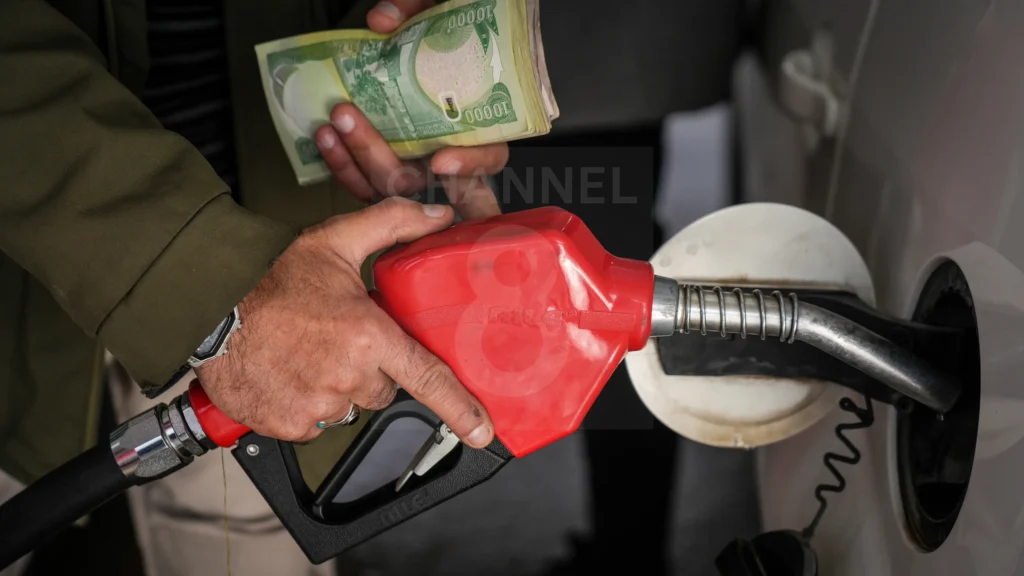
There is a significant disparity in fuel and commodity prices between federal Iraq and the Kurdistan Region, driven primarily by Baghdad’s implementation of a state-subsidized pricing mechanism contrasted with the Kurdistan Regional Government’s (KRG) lack of financial subsidies.
Key Statements and Focus Area
- Petrol Pricing Mismatch: Retail petrol in Kurdistan ranges between 1,200 and 1,850 IQD, while Baghdad charges motorists 450 to 850 IQD.
- Restricted Refinery Rates: The semi-subsidized 750 IQD petrol option remains restricted to local refineries receiving direct state crude allocations.
- Financial Pressure Compounded: Marked differences in kerosene distribution are compounding the financial pressure on regional household budgets.
In the Kurdistan Region, retail petrol prices fluctuate based on fuel grade and quality, commanding between 1,200 IQD and 1,850 IQD per liter. Meanwhile, the Iraqi federal government provides subsidized "Normal" (Regular) and "Muhassan" (Improved) petrol to motorists at rates ranging from 450 IQD to 850 IQD per liter.
Although a semi-subsidized 750 IQD petrol option exists within the Region, its availability is restricted exclusively to localized refineries that receive subsidized crude oil allocations directly from the government.
Marked differences are also evident in the domestic supply of kerosene. The federal government distributes household kerosene to citizens at a heavily subsidized rate of 150 IQD per liter, capping the total cost of a standard barrel at 30,000 IQD. In contrast, Kurdistan Region residents must pay 105,000 IQD per barrel.
A critical driver of commodity price stabilization in federal Iraq is the Central Bank's provision of US dollars to commercial merchants at the official state rate of 132,000 IQD per $100 to lower import costs.
However, regional importers in the Kurdistan Region lack access to this official currency window because the regional administration has not yet fully implemented the United Nations Conference on Trade and Development’s (UNCTAD) ASYCUDA computerized customs system to regulate commercial imports.
FIY:
In general, the Iraqi federal government utilizes targeted multi-sector subsidies to buffer essential needs and mitigate inflation.
In the absence of reciprocal fiscal subsidies from the KRG, the regional market operates strictly under free-market dynamics, causing the baseline cost of living in the Kurdistan Region to remain substantially higher than in central and southern Iraq.
Severe regional fuel shortages and a sudden surge in market petrol prices recently prompted an immediate regulatory response across the Kurdistan.
The KRG Ministry of Natural Resources held urgent meetings to enforce strict price caps on commercial gasoline and enhance fuel quality inspections across all provinces.
Erbil is currently pushing the Iraqi federal government to increase its daily crude oil allocation to the region from 50,000 barrels to its full legal entitlement of 126,700 barrels.
Building on these targeted directives, the Council of Ministers is convening today to secure access to Baghdad’s subsidized fuel network.
2 hours ago