Digital System Cuts Kurdistan Border Cargo Clearance Times
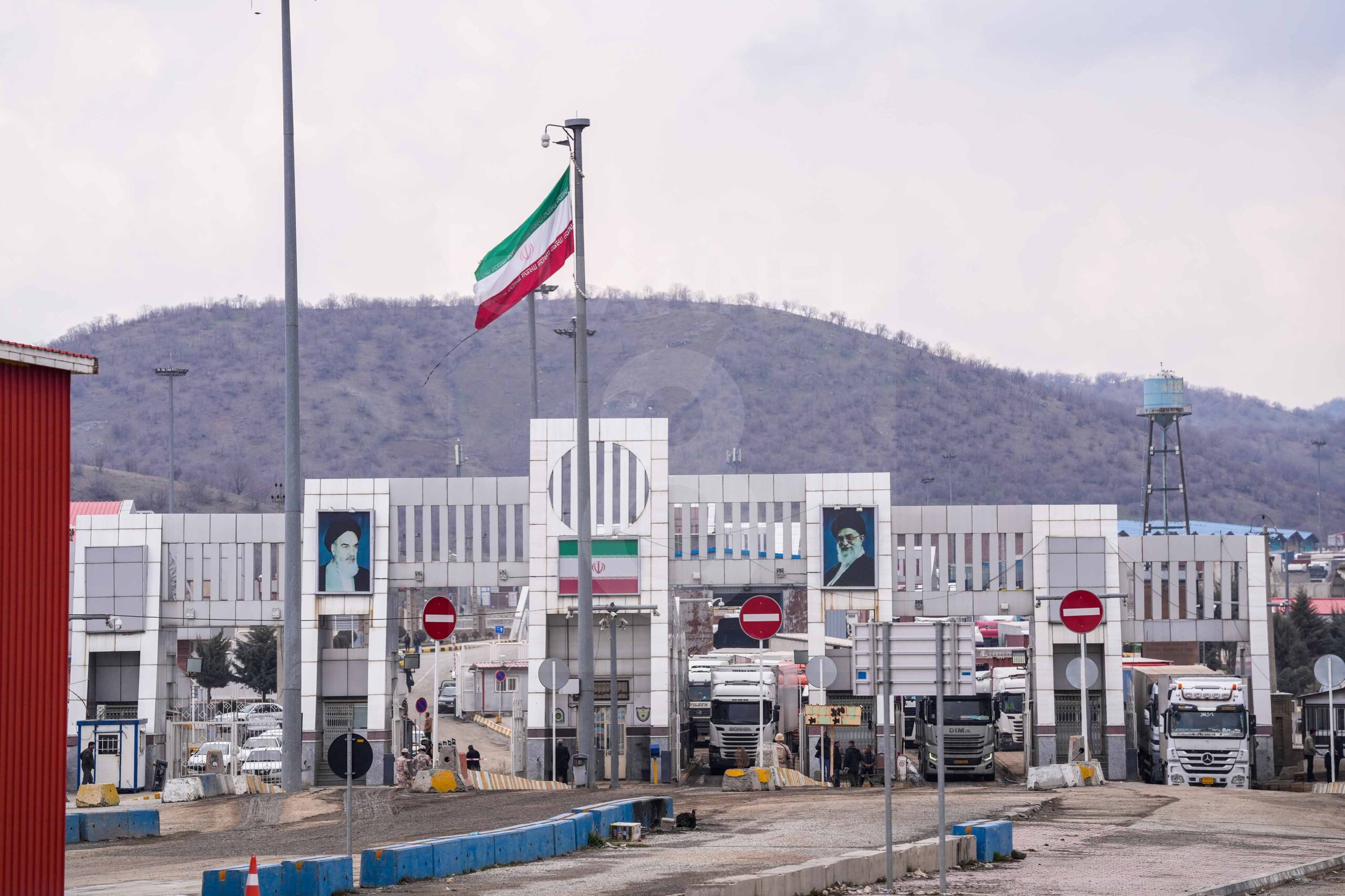
At a Glance
- KRG introduces rigorous import-export protocols, quality controls, and fee schedules at all border points.
- Digital processing reduces customs clearance times down to 25–30 minutes per transaction.
- Mandatory approvals required from agricultural, health, environmental, and security ministries.
- Inspection fees, sampling rates, and trade taxes regulated under Customs Tariff Law No. 22 of 2010.
The Kurdistan Regional Government (KRG) is implementing a comprehensive series of updated procedures to strictly regulate the import and export of goods across its international border crossings. The measures establish standardized fee schedules, digital clearance protocols, and mandatory quality control inspections tailored to specific commodity types.
Key Statements and Focus Area
- On Trade Regulations: The ministry emphasized that to complete customs clearances, "traders must possess an official commercial import and export license and comply with Instruction No. 6 of 2016".
- On Digital Modernization: Demonstrating efficiency gains through automation, customs authorities noted that "if the process is handled through the systematic, electronic system, it takes only 25 to 30 minutes".
- On Quality Standards: Officials underscored that mandatory testing will be carried out at border points, stating that "goods are subjected to various inspections, such as quality control, agricultural, physical, chemical, veterinary, and construction materials testing, conducted by private sector companies".
Fundamental Requirements for Traders
To complete customs procedures, applications must be submitted through a legal representative holding an official power of attorney. Traders must possess an official commercial import and export license and comply with Instruction No. 6 of 2016, which emphasizes obtaining support and approval from the relevant ministries. Depending on the nature of the goods, approvals must be obtained from agricultural, veterinary, health, environmental, and security authorities.
Required Documentation and Inspections
One of the key documents required is the "Entry Manifest," issued by the General Directorate of Land Transport, which contains detailed information on the quantity and type of goods, country of origin, and trade name. The goods are then subjected to various inspections, such as quality control, agricultural, physical, chemical, veterinary, and construction materials testing, which are conducted by private sector companies at the border points.
Customs Processing Time
The time required to complete customs procedures for importing goods into the Kurdistan Region has varied. If the process is handled through the systematic, electronic system, it takes only 25 to 30 minutes. However, under standard conditions outside the automated system, processing transactions requires approximately 2 hours.
Import Costs and Fees
In accordance with Customs Tariff Law No. 22 of 2010, the inspection fee is set at $17 per large truck and $9 per two-ton truck. Regarding income tax, four distinct rates (108%, 7%, 0.3%, and 2.25%) are applied depending on the classification of the goods. Additionally, the export tax for all commodities is set at 0.075%.
Rates for Sampling Fees and Banking Services
To ensure product quality, sampling fees are collected from traders as follows:
- Food, quality control, veterinary, and agricultural samples: $13 each
- Imported fuel samples: $9
- Construction material samples: $7
- Bank commission and weighbridge fee: $5 each
- Form fee: $3
- Fiscal stamp: $2
FYI:
The KRG's push to balance digitizing border management with strict quality inspections reflects a broader effort to modernize regional trade corridors. By reducing electronic customs clearance times to under half an hour while privatizing specialized testing, Erbil is seeking to streamline cross-border supply chains while safeguarding public health and revenue collection.
29/07/2026