Iraqi Finance Ministry Faces 3.3 Trillion Dinar Salary Deficit
At a Glance
- Ministry requires 7.8 trillion dinars for total public payroll.
- Current July salary deficit stands at 3.3 trillion dinars.
- Available liquidity focused on clearing delayed pension payouts.
- Transit halts in Strait of Hormuz fuel growing budget gap.
Iraq’s Ministry of Finance is grappling with a severe liquidity crisis that has left a 3.3 trillion Iraqi dinar deficit in securing public sector salaries for July.
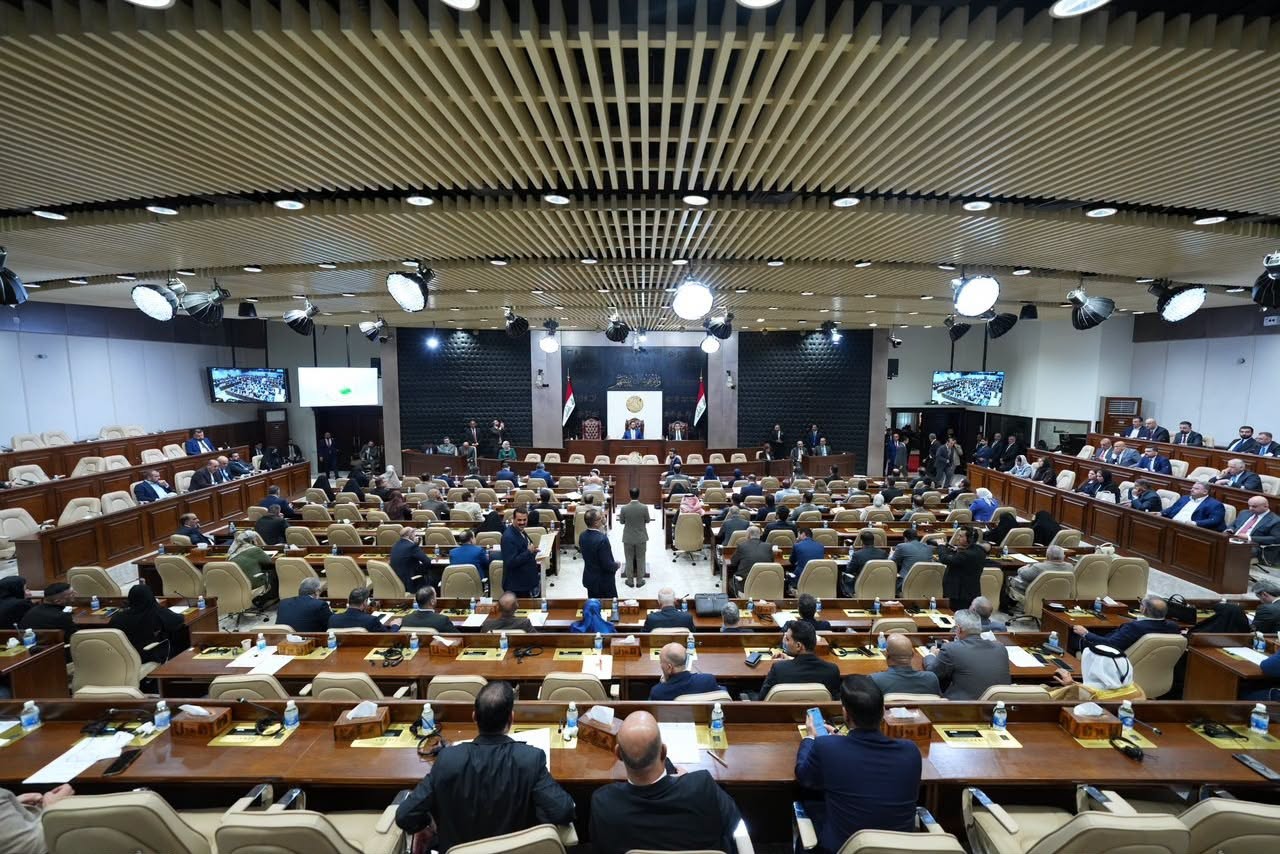
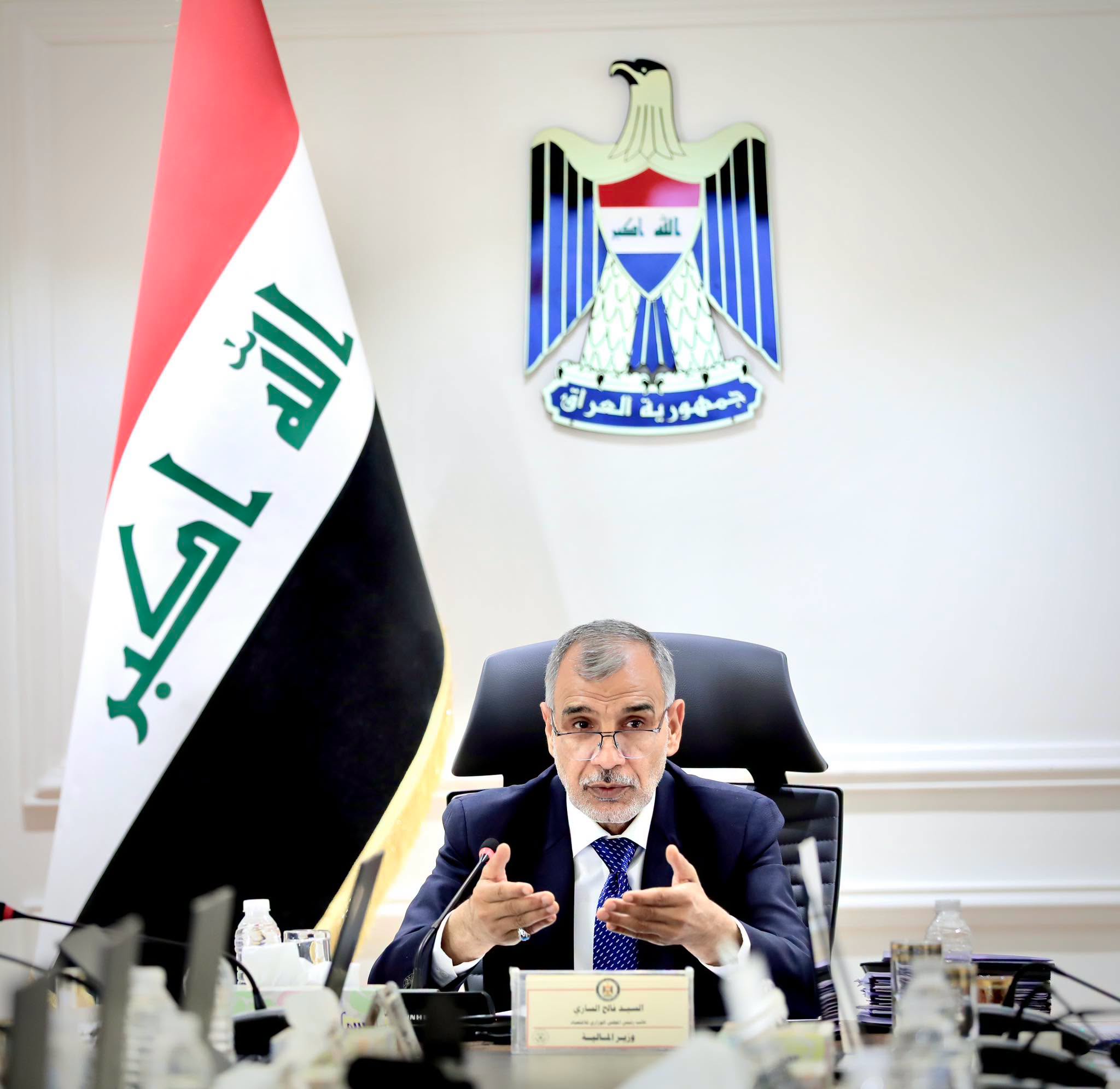
Finance Minister Falih al-Sari confirmed the shortfall during parliamentary discussions, noting that while partial disbursements have been completed, reduced oil export revenues continue to widen the state's monthly fiscal deficit.
Key Statements and Focus Area
- On the Monthly Payroll Burden: "We need 7.8 trillion dinars monthly, but we currently have a deficit of 3.3 trillion dinars for July salary distribution."
- On Immediate Disbursement Priorities: "The funds currently on hand will be distributed to retirees."
- On Steps Taken So Far: "Over the past few days, the ministry managed to distribute 3 trillion dinars in salaries for several ministries... and currently has nearly 2.5 trillion dinars available for distribution."
- On Addressing Long-Term Deficits: Legislative measures, including external borrowing frameworks, are being submitted to parliament to "address the deficit issue and overcome the current financial bottleneck."
Public Payroll Gap and Liquidity Shortfall
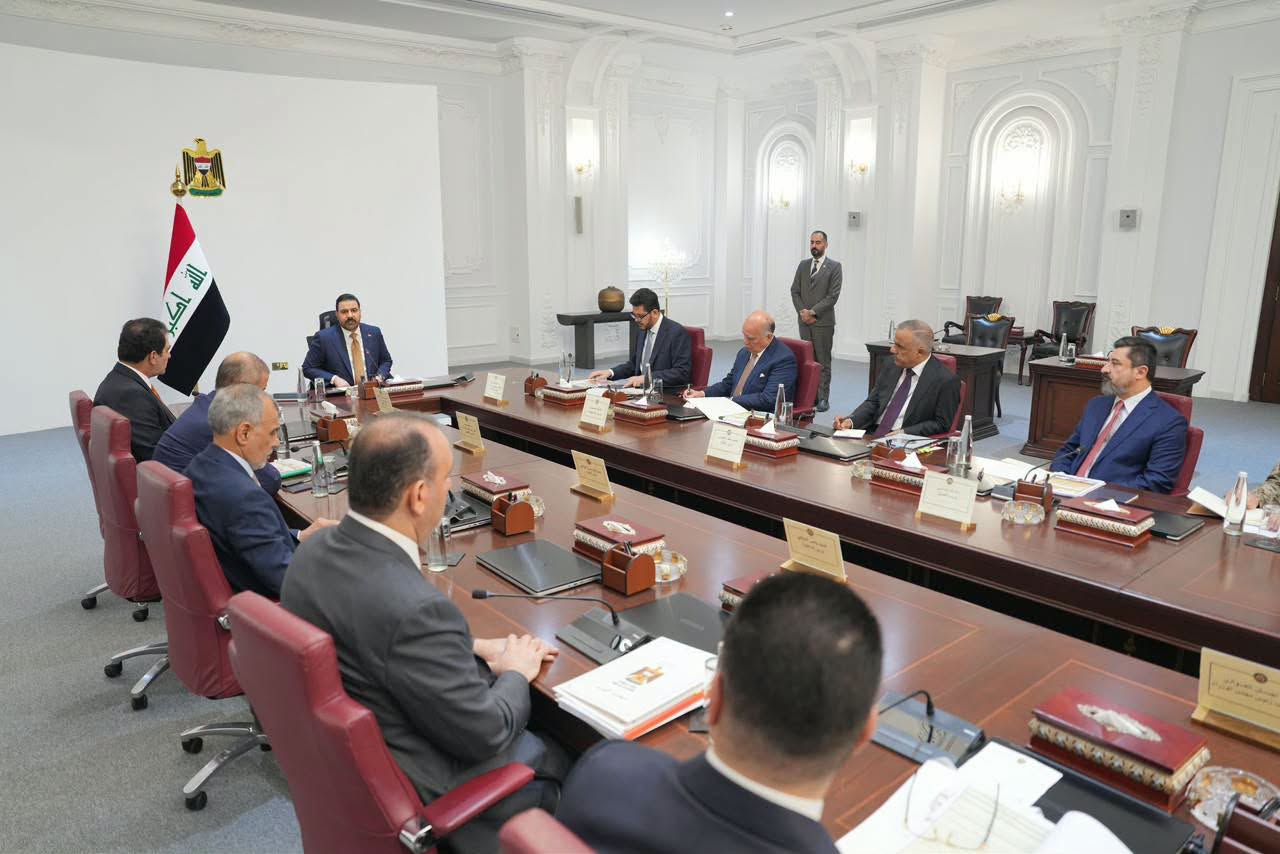
During a meeting with Council of Representatives member Haider al-Mutairi, Finance Minister Falih al-Sari outlined the severe funding gap impeding timely salary payments for public employees, pensioners, and welfare recipients. Out of a total monthly obligation of 7.8 trillion dinars, the ministry recently paid out 3 trillion dinars to select government entities and holds roughly 2.5 trillion dinars. The remaining 3.3 trillion dinar deficit has delayed full salary coverage across remaining state institutions.
Growing Five-Month Fiscal Deficit
Official fiscal data highlights a widening imbalance between national income and public expenditures. Over the first five months of 2026, Iraq generated 33 trillion dinars in total revenue against 45 trillion dinars in public spending, leaving a cumulative 12 trillion dinar deficit. The deficit has expanded rapidly as crude oil shipments, the primary driver of state revenue, face ongoing export blockades.
Legislative Emergency Measures and Foreign Loans
To manage the ongoing liquidity shortage, the federal government has forwarded several emergency legislative proposals to the Council of Representatives. Key among these draft laws is authorization for foreign loan agreements designed to inject immediate capital into state coffers, alongside administrative measures to prioritize essential public sector payrolls and pension obligations.
FYI
Iraq’s fiscal pressures stem directly from severe export bottlenecks through the Strait of Hormuz, where geopolitical tensions drastically curtailed Iraqi crude shipments to international markets. Because oil revenues account for over 90% of federal budget income, the sharp drop in export volumes has severely constrained central bank liquidity, forcing the newly appointed cabinet to seek emergency legislative approval for external borrowing while rationing cash reserves for basic state operations.
Dive Deeper: Handpicked Stories for You
Follow Channel8 for continuous updates:
https://channel8.com/english/news/61831