48 Drone and Missile Attacks Struck Kurdistan in July 2026
At a Glance:
- 48 drone and missile attacks struck Kurdistan in July 2026.
- Erbil and Slemani faced heavy targeting of civilian areas.
- Attack in Zrgwezala killed 9 Iranian-Kurdish group members.
- Baghdad has not deployed air defense systems despite agreements.
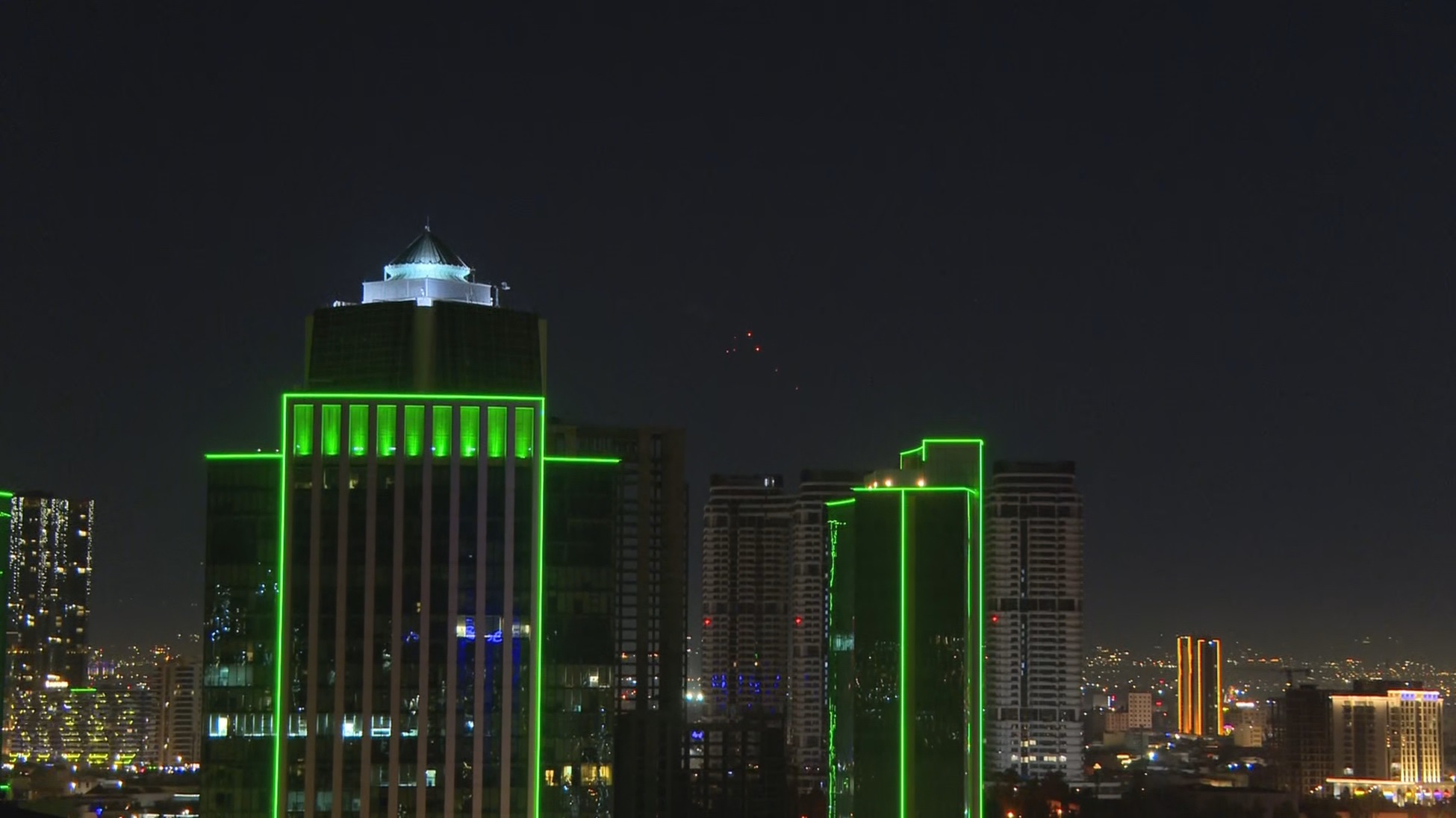
The Kurdistan Region of Iraq experienced a severe escalation in aerial security threats during July 2026, enduring 48 drone and missile attacks that predominantly targeted civilian-populated areas, refugee housing, and military infrastructure across Erbil and Slemani governorates.
The renewed barrage ended a temporary period of calm and highlighted growing regional vulnerabilities, as local authorities continue to rely almost exclusively on international coalition systems for air defense amid unfulfilled security agreements with the federal government in Baghdad.
Key Statements and Focus Area:
- Escalation in Aerial Targeting: Data compiled by regional monitoring organizations highlighted a dramatic rise in strike intensity over a single week."Information obtained by Channel8 reveals that in July 2026, the airspace of the Kurdistan Region became an arena for 48 drone and missile attacks... Over 43 attacks were carried out in just one week."
- Devastating Toll in Zirgwezala: A precise strike in Slemani governorate caused significant casualties among Iranian Kurdish opposition personnel."The attack on Zrgwezala in Slemani resulted in the martyrdom of 9 people and injured several others."
- Impact on Civilian Infrastructure: Strikes repeatedly compromised non-military locations, including refugee centers and residential neighborhoods."Three booby-trapped drones attacked the refugee camp in Dareshakran within the boundaries of Erbil... Missile debris fell into residential homes in Halabja."
- Absence of Federal Air Defense: Regional security remains exposed due to a lack of promised defensive hardware from central authorities."Despite existing agreements, the federal government has not deployed any air defense system in the Kurdistan Region."
Timeline of July Aerial Operations
The wave of bombardment commenced in mid-July, targeting both Erbil's urban periphery and strategic positions in Slemani. On July 13, three booby-trapped drones targeted the Dareshakran refugee camp near Erbil. This was followed on July 15 by eight explosive drones directed toward Erbil, all of which were successfully intercepted by defense systems.
Attacks surged sharply on July 17, when coalition forces shot down 13 drones over Erbil, while Sulaymaniyah simultaneously came under fire from seven missiles and drones. On July 19, a targeted strike on a Kurdistan Freedom Party (PAK) headquarters in Dareshakran wounded eight Peshmerga fighters. Attacks continued unabated between July 21 and July 24, with 11 drones hitting Erbil, missile fragments damaging homes in Halabja, and over five additional drones destroyed over Erbil by coalition forces.
Defense Deficits and Security Statistics
According to statistics from the American CPT organization, 43 of the month's 48 attacks occurred within a single seven-day window, comprising 33 drone strikes and 10 missile launches. This mid-summer escalation follows a broader pattern of intense bombardment; monitoring figures indicate that between February 28 and April 25, 2026, the region endured 809 total attacks resulting in 20 deaths and 123 injuries.
Despite an established Erbil–Baghdad security framework intended to protect vital energy infrastructure and international borders, Iraq's federal government has yet to deploy long-range or short-range air defense networks in the Kurdistan Region. Consequently, detection and interception responsibilities have fallen almost exclusively on U.S.-led Coalition anti-drone and anti-missile systems stationed at regional facilities.
FYI
The renewed aerial campaign underscores the persistent vulnerability of the Kurdistan Region as a proxy battleground for broader Middle Eastern conflicts and Iranian opposition suppression. While Baghdad and Erbil previously reached bilateral security accords aimed at fortifying border zones and securing vital oil fields, political delays and resource allocation issues in Baghdad have left the KRG dependent on Coalition anti-air assets. With regional non-state actors increasingly utilizing low-cost, precision-guided loitering munitions, the absence of an integrated national air defense grid leaves northern Iraqi airspace highly susceptible to recurring volatile escalations.
Dive Deeper: Handpicked Stories for You
Follow Channel8 for continuous updates:
https://channel8.com/english/news/61635

.jpg)

.webp)