US Treasury Lifts Sanctions On IRGC Linked Aviation Assets
At a Glance
- US Treasury Department removes Fly Baghdad from counterterrorism sanctions list.
- Two Iraqi-registered aircraft previously linked to IRGC-QF also delisted.
- Broader US secondary sanctions framework against Iran remains active and enforced.
- Removal marks key diplomatic development following recent regional negotiations.
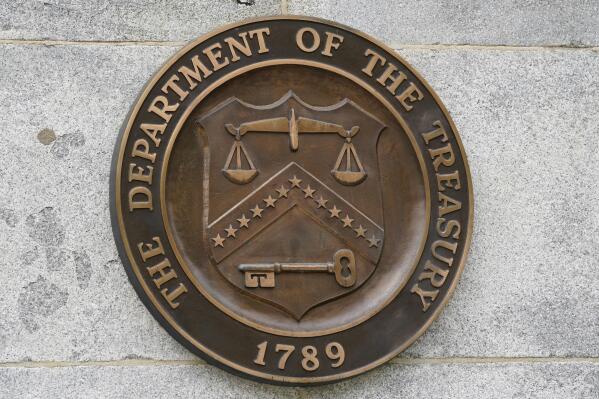
The United States Treasury Department has officially removed Iraqi commercial carrier Fly Baghdad and two associated aircraft from its counterterrorism sanctions list.
The decision, published on the Treasury's Office of Foreign Assets Control (OFAC) website on Wednesday, rescinds punitive measures originally imposed over alleged logistical support provided to Iran's Islamic Revolutionary Guard Corps (IRGC).
Key Statements and Focus Area
- Treasury Department Status Update: "The Department of the Treasury's Office of Foreign Assets Control has updated the Specially Designated Nationals (SDN) list to remove designations targeting specified civil aviation assets and associated regional carriers," stated the Treasury update.
- Regional Diplomatic Signals: "The removal of designated entities from federal sanctions registries represents a calibrated step within broader diplomatic frameworks, though core sanctions targeting non-state armed actors remain fully in effect," noted diplomatic observers tracking US-Middle East policy.
- Scope of Remaining Policy: "Primary counterterrorism designations and comprehensive trade restrictions targeting Iran's military apparatus and its proxy network continue without interruption," emphasized US enforcement officials.
Delisting of Fly Baghdad Assets
The Treasury Department’s formal action removes Fly Baghdad alongside two Iraq-registered aircraft from the Specially Designated Nationals (SDN) list. Prior to the delisting, the assets were subjected to strict blocking orders that prohibited US entities and international financial institutions from conducting transactions with the carrier or servicing its fleet. The lifting of these targeted measures enables the commercial airline to resume normal international banking channels and operational leasing agreements.
Sanctions Framework and Regulatory Boundaries
Despite the removal of Fly Baghdad and the designated aircraft, US officials confirmed that the overall sanctions regime targeting Iran and its regional affiliates remains intact. The Treasury Department continues to enforce primary and secondary sanctions against entities engaged in weapons proliferation, illicit financial transfers, or military cooperation with the IRGC-Quds Force. Federal authorities noted that individual delisting decisions follow rigorous compliance reviews and legal evaluations regarding asset ownership and operational control.
FYI
The delisting comes after Fly Baghdad was designated in early 2024 over allegations of transporting weapons, funds, and personnel across the Levant to support IRGC-aligned groups. Since then, Iraq's aviation authority and financial regulators implemented strict compliance oversight to realign the carrier with international civil aviation standards. This recent sanctions relief coincides with ongoing high-level diplomatic engagements aimed at reducing regional security tensions, restoring maritime trade flows through critical waterways, and establishing transparent monitoring mechanisms for regional civil aviation networks.
Dive Deeper: Handpicked Stories for You
Follow Channel8 for continuous updates: