Duhok Fuel Shortage Deepens as Gasoline Prices Surge
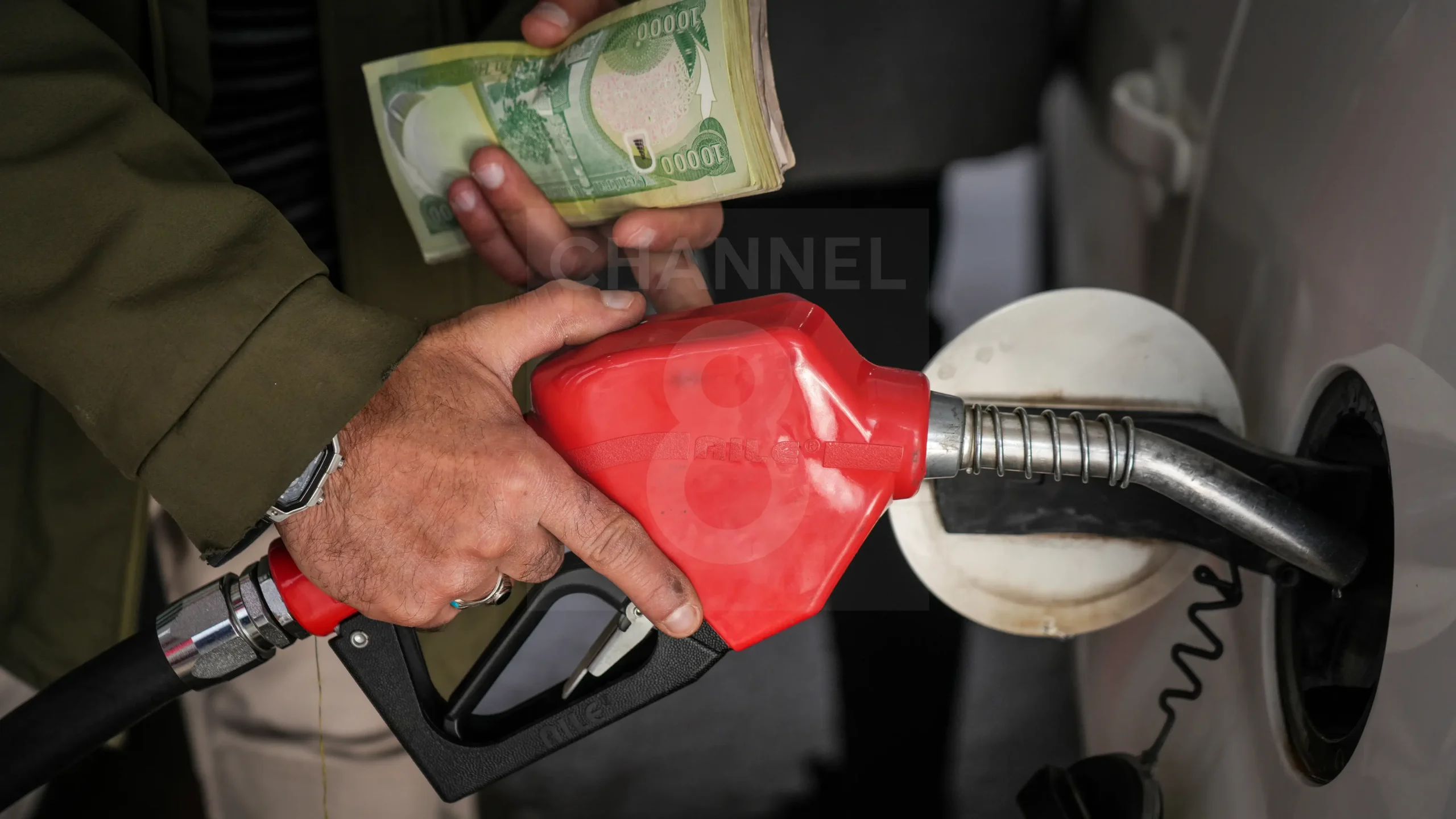
At a Glance
- Motorists protest rising gasoline prices
- Subsidized 750 IQD fuel unavailable
- Private stations face supply shortages
- Station owners call for larger allocations
Information obtained by Channel8 indicates that the gasoline crisis in Duhok Governorate has intensified, with motorists protesting rising fuel prices and shortages as private stations struggle to secure sufficient supplies and subsidized gasoline priced at 750 IQD per liter remains unavailable.
Key Statements and Focus Area
- Residents are calling for a reliable supply of government-subsidized gasoline at 750 IQD per liter.
- Operators say they cannot reduce retail prices while facing high import costs, particularly for fuel imported from Iran.
- Station owners are calling for Duhok's daily allocation of subsidized fuel to be increased.
- Previous measures by the Ministry of Natural Resources to reduce prices reportedly led some private stations to close.
Motorists in Duhok have staged protests over rising gasoline prices and shortages, calling for immediate government intervention.
Drivers say the continued increase in fuel costs is placing additional pressure on household finances and making daily transportation increasingly difficult.
Residents are demanding a consistent supply of government-subsidized gasoline priced at 750 IQD per liter.
The absence of subsidized gasoline at the 750 IQD-per-liter rate has forced motorists to rely on commercially priced fuel.
Commercial gasoline prices have continued to increase, with motorists reporting daily price hikes as supplies remain limited.
Fuel station owners argue that Duhok's current allocation of subsidized gasoline is insufficient to meet demand and that increasing the allocation would help reduce pressure on commercial prices.
Private fuel station operators say lowering retail prices is difficult because of the high cost of importing gasoline, particularly from Iran.
According to station owners, if the government supplies them with wholesale gasoline at 800 IQD per liter, they could sell it to consumers at around 850 IQD per liter.
They maintain that commercial market prices will remain elevated unless the government increases the governorate's allocation of subsidized fuel.
The latest escalation followed an order from the Ministry of Natural Resources directing private stations to reduce fuel prices.
Station owners reportedly responded by closing their businesses, saying the mandated prices would leave them operating at a loss.
Although the government later suspended the order, fuel prices did not return to previous levels and instead continued to rise, deepening the supply shortage.
Motorists and residents are calling for a structural solution to the crisis, particularly a stable supply of subsidized gasoline.
Station owners are likewise urging authorities to increase Duhok's daily fuel allocation, arguing that greater availability of subsidized gasoline is necessary to ease pressure on the commercial market.
FYI
Fuel prices in the Kurdistan Region are influenced by the availability of subsidized gasoline, government allocations, import costs, and commercial market supply. In Duhok, the latest shortage has intensified pressure on motorists and fuel station operators, with both groups calling for increased government fuel allocations as authorities seek to stabilize the market.
Dive Deeper: Handpicked Stories for You
Follow Channel8 for continuous updates:
Fuel Prices in Erbil and Duhok Remain Higher Than in Sulaymaniyah and Halabja
08/08/2026