Iraq Offers KRG Subsidized Gasoline, Minister Says
At a Glance
- Baghdad offers subsidized gasoline to KRG
- KRG requests 50,000 barrels of crude
- Iraq produces 2.7 million barrels daily
- Basra-Faysh Khabur pipeline remains on agenda
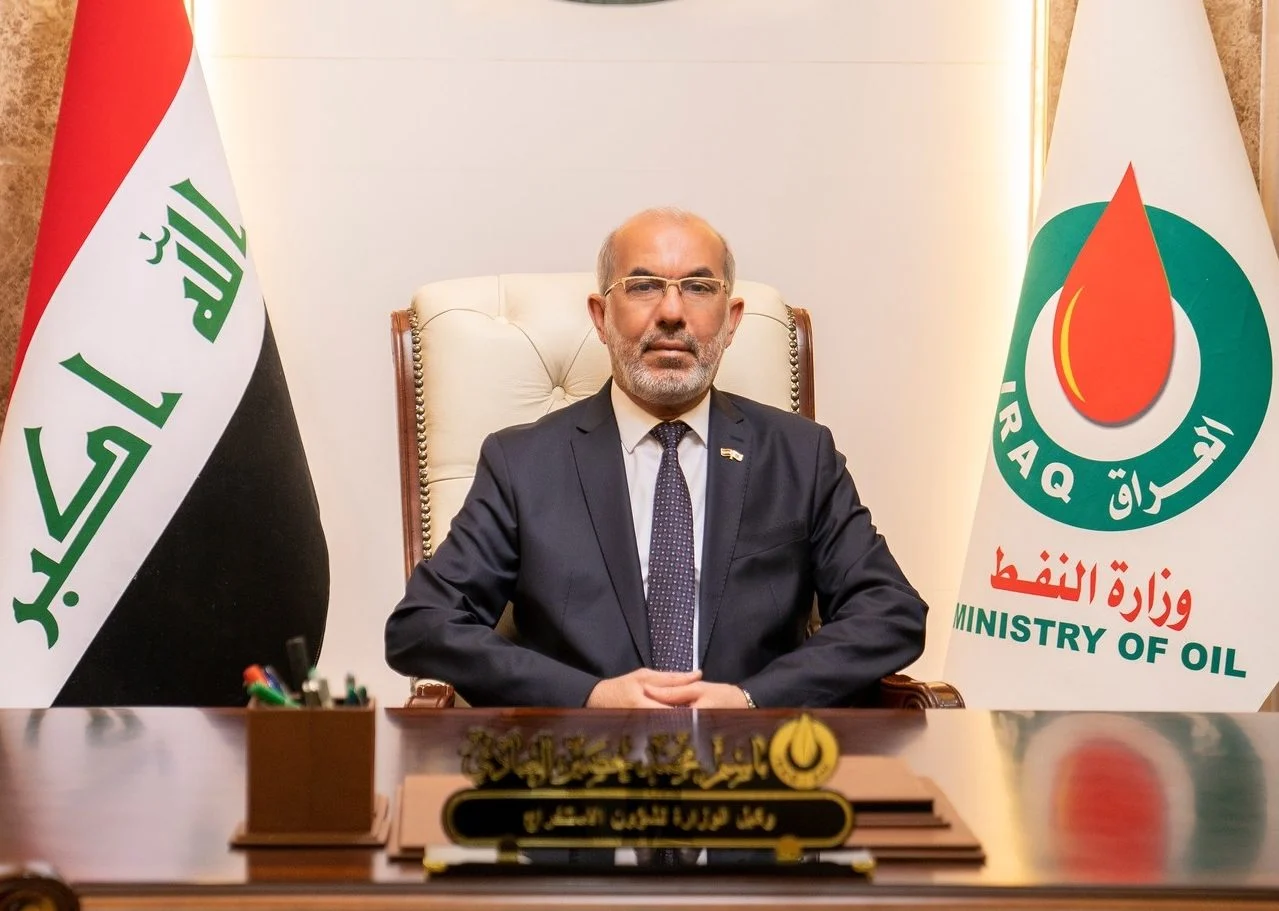
Iraqi Oil Minister told Channel8 that Baghdad has offered to supply the Kurdistan Regional Government with gasoline at the same subsidized rates applied across Iraq, while the KRG has requested 50,000 barrels of crude oil to refine and supply petroleum products independently.
Key Statements and Focus Area
- Basim Mohammed Khudair: "We offered to provide gasoline to the Kurdistan Region at the same subsidized rates applied across Iraqi governorates."
- The regional government told Baghdad it would prefer 50,000 barrels of crude oil to handle refining and supply independently.
- Iraq currently produces approximately 2.7 million barrels of crude oil per day.
- Baghdad is considering a pipeline connecting Basra to Faysh Khabur to facilitate exports toward Ceyhan.
- Iraq is communicating with Iran to secure safe passage for Iraqi oil tankers through the Strait of Hormuz.
Iraqi Oil Minister Basim Mohammed Khudair said federal authorities have expressed readiness to provide subsidized gasoline directly to the Kurdistan Region.
Speaking to Channel8, Khudair said Baghdad offered to supply gasoline at the same subsidized prices available in other Iraqi governorates.
However, he said the KRG informed federal authorities that it would instead prefer to receive 50,000 barrels of crude oil and manage the refining and distribution of petroleum products independently.
"Our readiness to supply subsidized gasoline directly to the Kurdistan Region remains fully on the table," Khudair said.
The Oil Minister said Iraq's current crude oil production stands at approximately 2.7 million barrels per day.
He said around half of the country's total production is allocated for export, with approximately 22 million barrels exported monthly through the Strait of Hormuz.
Khudair noted that Iraq's monthly exports had reached 106 million barrels before the regional conflict involving Iran.
He also said the Iraqi government is maintaining diplomatic communications with Iran to ensure safe passage for Iraqi oil tankers traveling through the Strait of Hormuz.
Khudair also confirmed that connecting Basra crude oil to Faysh Khabur through a pipeline remains among the federal government's strategic projects.
The proposed pipeline would allow crude from southern Iraq to be transported toward Turkey's Port of Ceyhan, providing an additional route for Iraqi oil exports.
The plan comes after an agreement reached earlier this month between Turkey and Iraq to export 750,000 barrels of oil per day from the Kirkuk pipeline to Ceyhan, with volumes expected to increase gradually.
The use of the Basra-Haditha pipeline route is also projected to increase Iraq's overall oil export capacity to approximately 1.5 million barrels per day.
FYI
Iraq is working to diversify its crude export routes as regional tensions continue to affect maritime shipments through the Strait of Hormuz. Expanding pipeline capacity toward Turkey would provide an alternative export corridor, while discussions over fuel supplies to the Kurdistan Region remain part of broader federal-regional coordination over oil production, refining, and petroleum distribution.
Dive Deeper: Handpicked Stories for You
Follow Channel8 for continuous updates:
Duhok Fuel Shortage Deepens as Gasoline Prices Surge
Iraqi Oil Minister Directs BP and Partners to Ramp Up Kirkuk Oil and Gas Production
08/08/2026