Finance Minister Meets Central Bank Governor on Monetary Stability
At a Glance:
- Minister Faleh al-Sari met Central Bank Governor Nizar Naser Hussein today.
- Talks focused on aligning fiscal and monetary policies amid economic challenges.
- Key goals include improving data exchange and accelerating digital transformation.
- Both leaders reaffirmed joint commitments to satisfy state financial obligations.
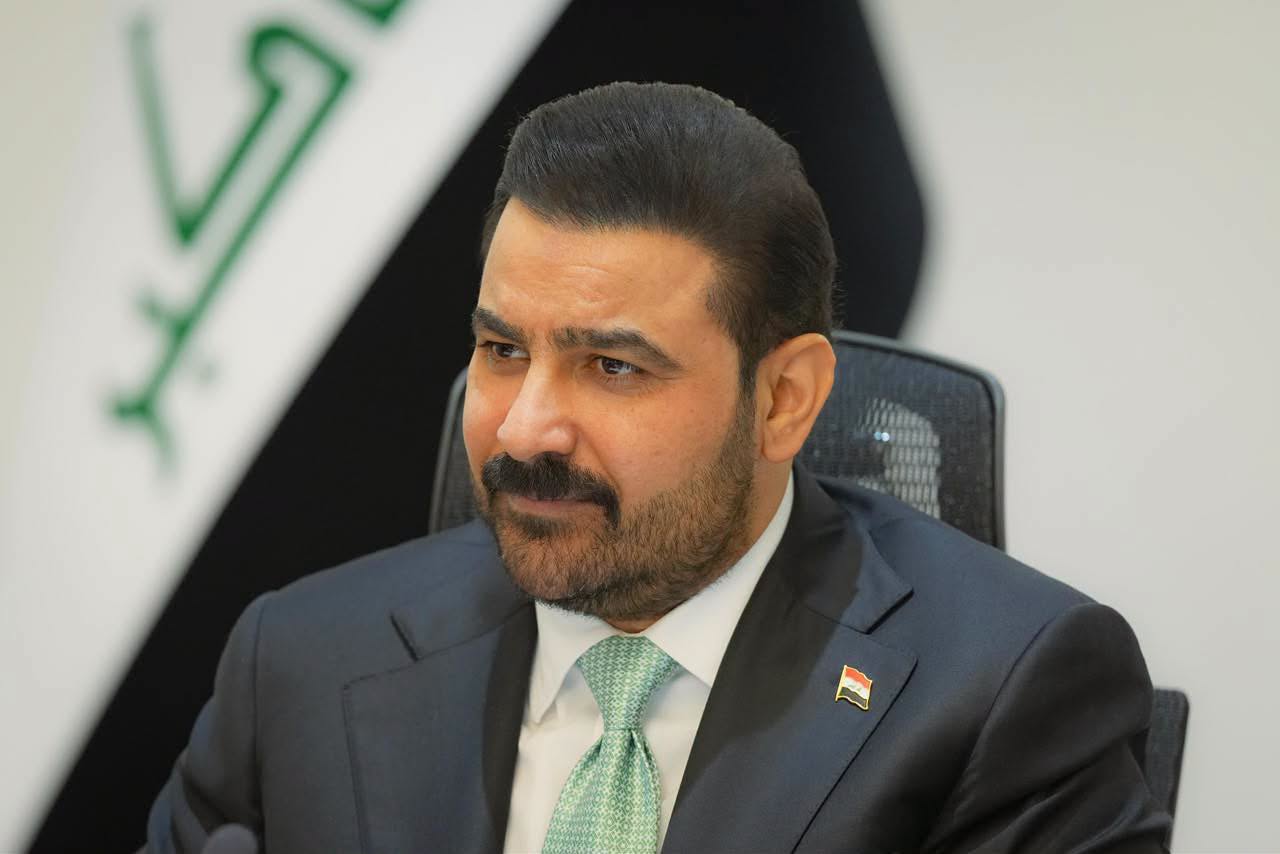
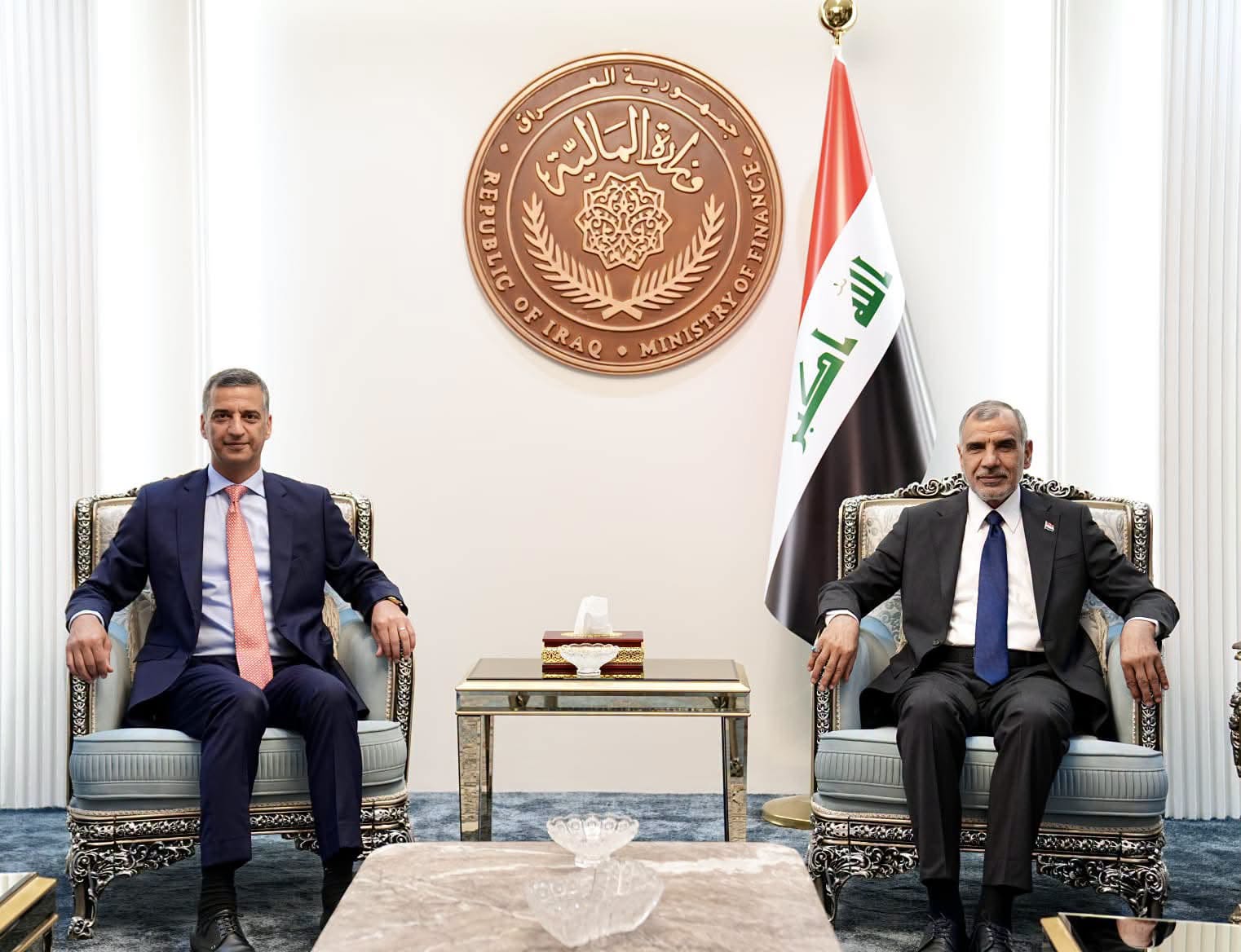
Iraqi Finance Minister Faleh al-Sari received the Governor of the Central Bank of Iraq, Nizar Naser, on Sunday to discuss strategies for reinforcing monetary stability and improving inter-agency coordination.
The high-level meeting focused on aligning fiscal policy with central banking operations to efficiently manage state cash flows, enhance public finance management, and navigate pressing economic challenges facing the national economy.
Key Statements and Focus Area
- Fiscal Policy Alignment: Finance Minister Faleh Sari stressed that "current conditions require continuous coordination between financial and monetary policy" to ensure efficient management of public funds.
- Institutional Modernization: Highlighting technological priorities, Minister al-Sari emphasized "the importance of strengthening data exchange between the Ministry of Finance and the Central Bank, as well as accelerating digital transformation."
- Central Bank Strategy: Central Bank Governor Nizar Naser Hussein outlined operational priorities, stating that the central bank follows "a methodology focused on supporting monetary stability, developing banking operations, and keeping pace with the needs of the national economy."
- State Commitments: Both leaders agreed on shared operational goals "to continue joint work on procedures designed to enhance financial and monetary stability and ensure the regular fulfillment of the state's basic obligations."
Inter-Agency Policy Alignment
During Sunday's summit, Minister Faleh al-Sari and Central Bank Governor Nizar Naser Hussein conducted a comprehensive review of Iraq's financial and economic position. The discussions centered on creating seamless integration between fiscal policy managed by the Ministry of Finance and monetary controls directed by the Central Bank. Both leadership teams emphasized that joint policy execution is critical to managing liquidity, securing public expenditure, and mitigating external economic pressures on the national economy.
Modernization and Data Architecture
A core outcome of the meeting was an agreement to upgrade digital infrastructure and data-sharing frameworks between both state institutions. Minister al-Sari noted that expanding real-time data integration and implementing digital financial tools will significantly increase operational efficiency across financial institutions, allowing regulators to adapt faster to volatile economic conditions and improve broader public finance management.
Banking Operations and National Obligations
Governor Hussein detailed ongoing initiatives by the Central Bank to modernize commercial banking services and maintain financial sector resilience. The two entities confirmed a unified framework aimed at maintaining stable banking operations while prioritizing the uninterrupted fulfillment of basic government financial commitments, including public sector wage disbursements and state operational expenses.
FYI
The meeting occurs as Iraq continues its sweeping public finance reforms aimed at modernizing fiscal administration and curbing systemic corruption across state banking channels. In recent months, federal institutions have prioritized digital financial reforms, including widespread electronic payment rollout and automated treasury accounting systems, to reduce reliance on cash operations and bring domestic banking standards into alignment with international financial transparency requirements. Synchronizing Central Bank liquidity measures with Treasury obligations serves as a critical stabilization step to safeguard the national economy against market volatility.
Dive Deeper: Handpicked Stories for You
Follow Channel8 for continuous updates:
Iraqi Parliament Calls Emergency Session Over Fiscal Crisis
Iraqi Finance Minister Requests Urgent Parliamentary Hearing on Financial Crisis
Iraqi Finance Ministry Faces 3.3 Trillion Dinar Salary Deficit