Iraqi Finance Minister Requests Urgent Parliamentary Hearing on Financial Crisis
At a Glance
- Iraqi Finance Minister requested an urgent hearing.
- The session will expose economic realities.
- Strait of Hormuz blockade has crashed monthly oil revenue from $6 billion to $1 billion.
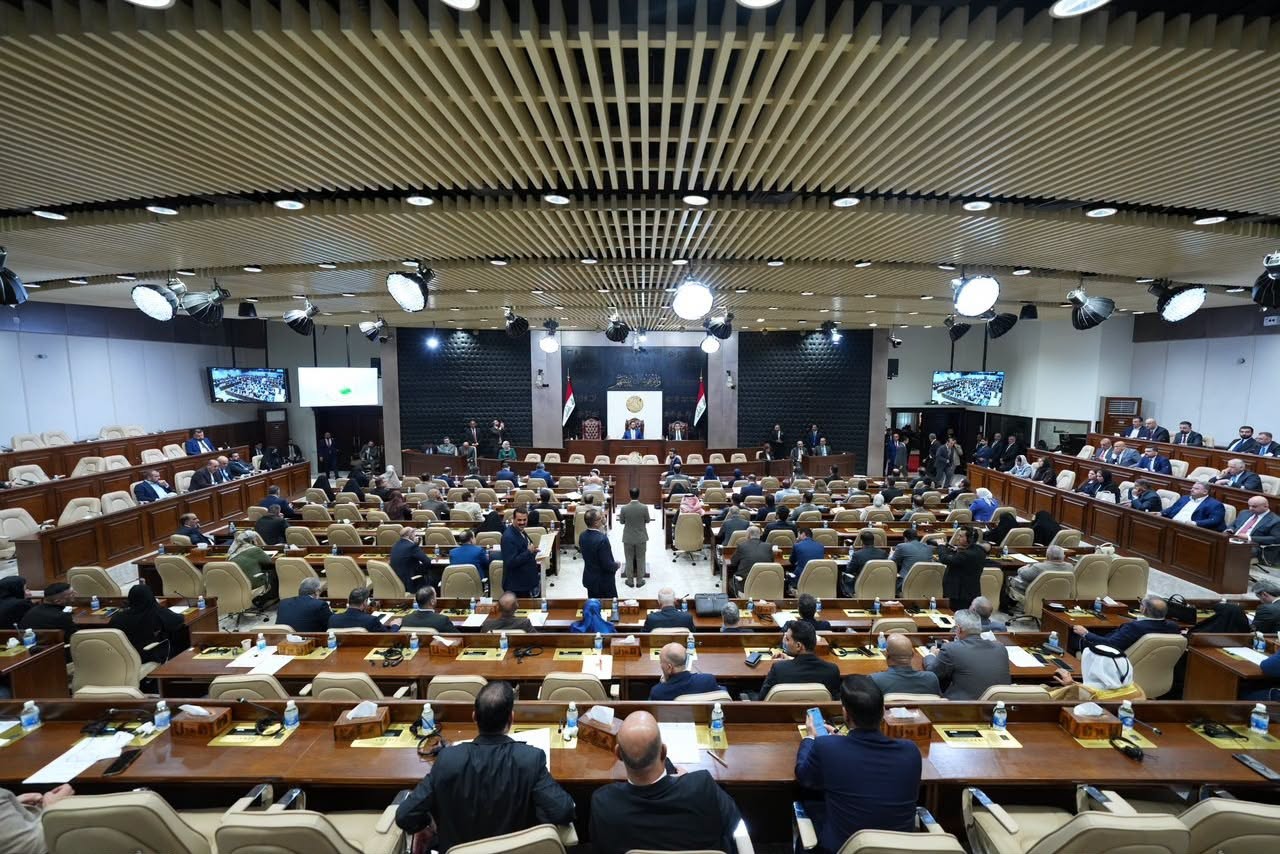
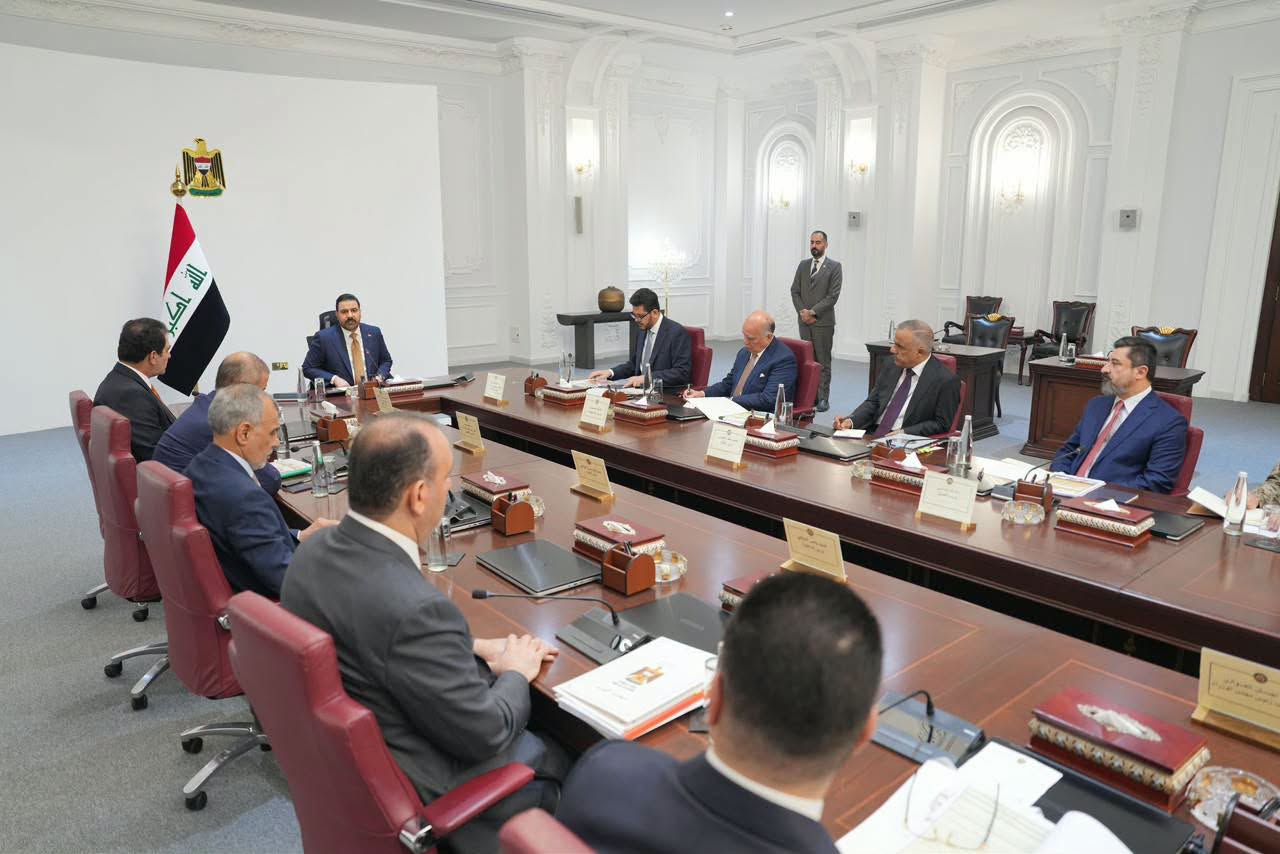
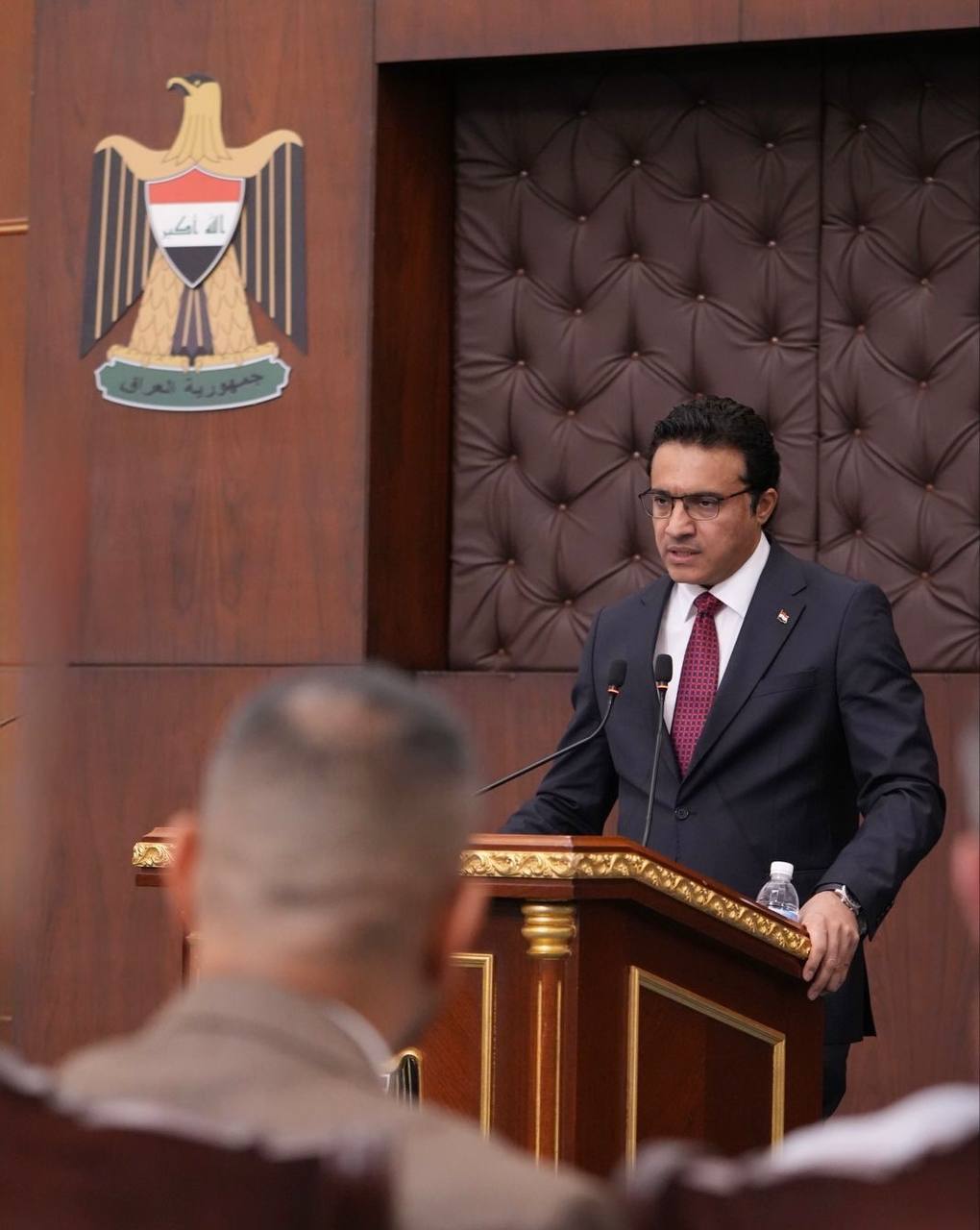
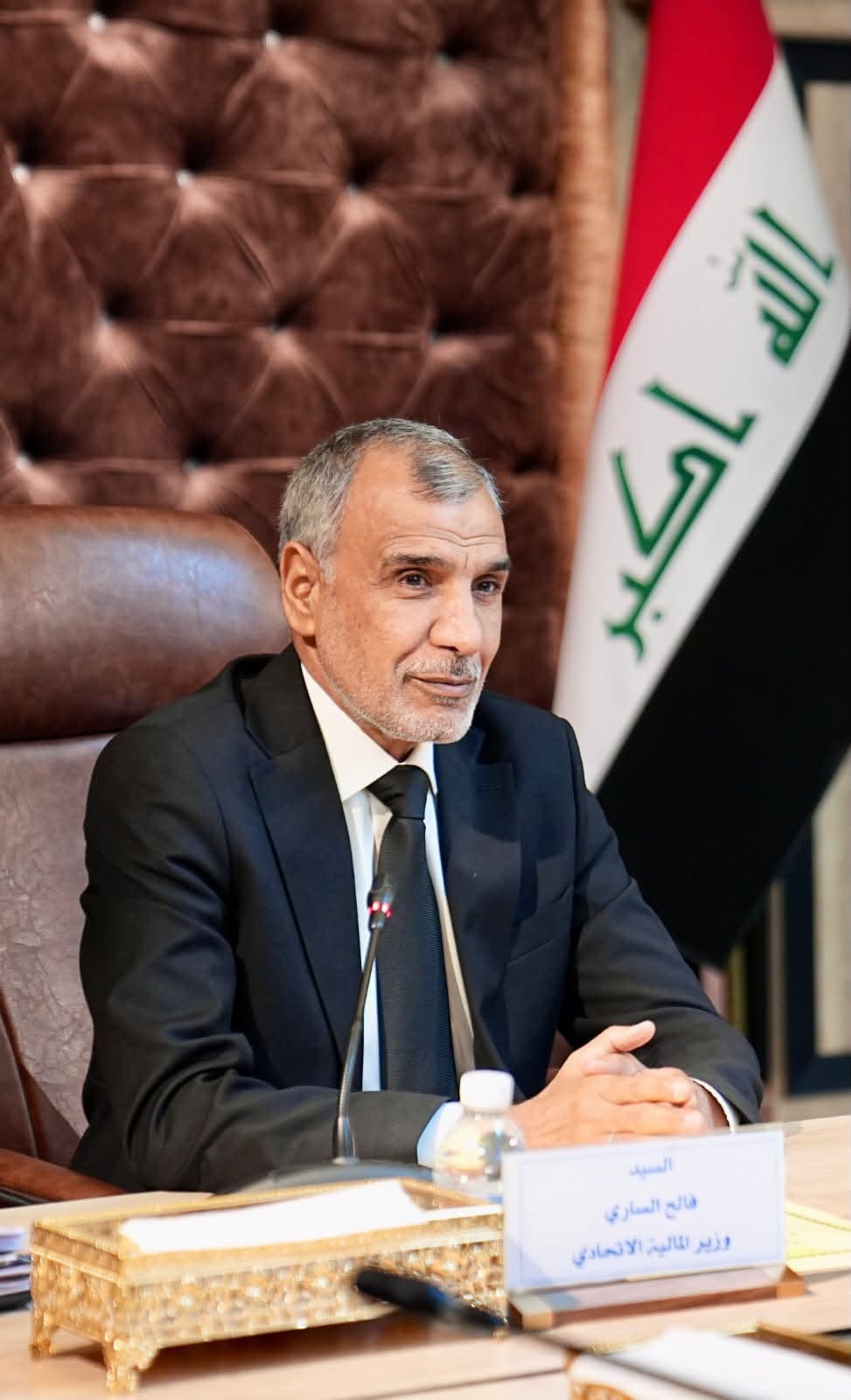
Iraqi Finance Minister Faleh al-Sari has formally requested an emergency parliamentary hearing to brief the Council of Representatives on the country's deepening financial crisis.
Key Statements and Focus Area
- Al-Sari noted that the move aims to maintain transparency with lawmakers while reviewing ministry measures to keep the state afloat and push forward with administrative reforms.
According to a Monday statement from his media office, al-Sari asked the Parliament's Presidency to host him "in the earliest upcoming parliamentary session."
The Minister intends to lay bare the country's economic reality and outline the severe pressures hitting public finances due to volatile regional conflicts.
lawmakers are publicly debating even more drastic measures. Dilan Ghafour, a Kurdish MP and member of the parliamentary Finance Committee, said the state is weighing domestic borrowing against printing new currency to cover the gap.
Ghafour warned that printing fresh dinars is a dangerous gamble that requires a strict calculation against foreign reserves to avoid triggering runaway inflation.
She added that while limited loans from state banks currently keep salaries moving, Iraq may soon have to pledge its gold and foreign currency reserves as collateral to secure larger international or domestic loans.
FYI
The financial outlook remains challenging due to a military blockade at the Strait of Hormuz, which has restricted Iraq's oil exports and reduced state revenue.
Because oil accounts for more than 90% of state funding, the reduction in monthly oil inflows from $6 billion to just over $1 billion has caused a significant cash shortage.
The Ministry of Finance requires 7.8 trillion Iraqi dinars monthly for public payrolls but experienced a 3.3 trillion dinar deficit for July disbursements.
Consequently, distributions for civil servants, pensioners, and social welfare recipients are facing delays.
To cope with the shortfall, the government has abandoned plans for an independent 2026 budget altogether. Officials have instead pivoted to writing the 2027 draft, leaving current state spending operating under a restrictive 1/12th emergency rule.
Desperate for cash, the state is looking at high-stakes workarounds. The government is currently pushing parliament to pass a 10 trillion dinar Emergency Borrowing Law to keep daily operations running.
Dive Deeper: Handpicked Stories for You
Follow Channel8 for continuous updates:
https://channel8.com/english/news/62873
https://channel8.com/english/news/62688
https://channel8.com/english/news/61831