Channel8 Exclusive: Iraq Faces Liquidity Crunch as Oil Revenues Fall
At a Glance
- Iraq faces a cash liquidity shortage.
- July salary funding remains under pressure.
- Oil revenues have dropped sharply.
- Borrowing and currency printing under discussion.
Information obtained by Channel8 indicates that Iraq is facing a severe liquidity crisis following a sharp decline in oil revenues, prompting discussions about domestic borrowing and the possible printing of new currency to finance public-sector salaries and government spending.
Key Statements and Focus Area
- Channel8 has learned that Iraq is facing an immediate cash shortage to finance salaries.
- More than $7 billion has been withdrawn from foreign currency reserves this year.
- Oil revenues have reportedly fallen by 80% due to disruptions to exports through the Strait of Hormuz.
- Officials are weighing borrowing and currency issuance as possible short-term solutions.
Liquidity Shortage Puts Pressure on Public Finances
Information obtained by Channel8 shows that Iraq is experiencing a shortage of Iraqi dinar liquidity, making it increasingly difficult for the government to finance public sector salaries and operational expenditures.
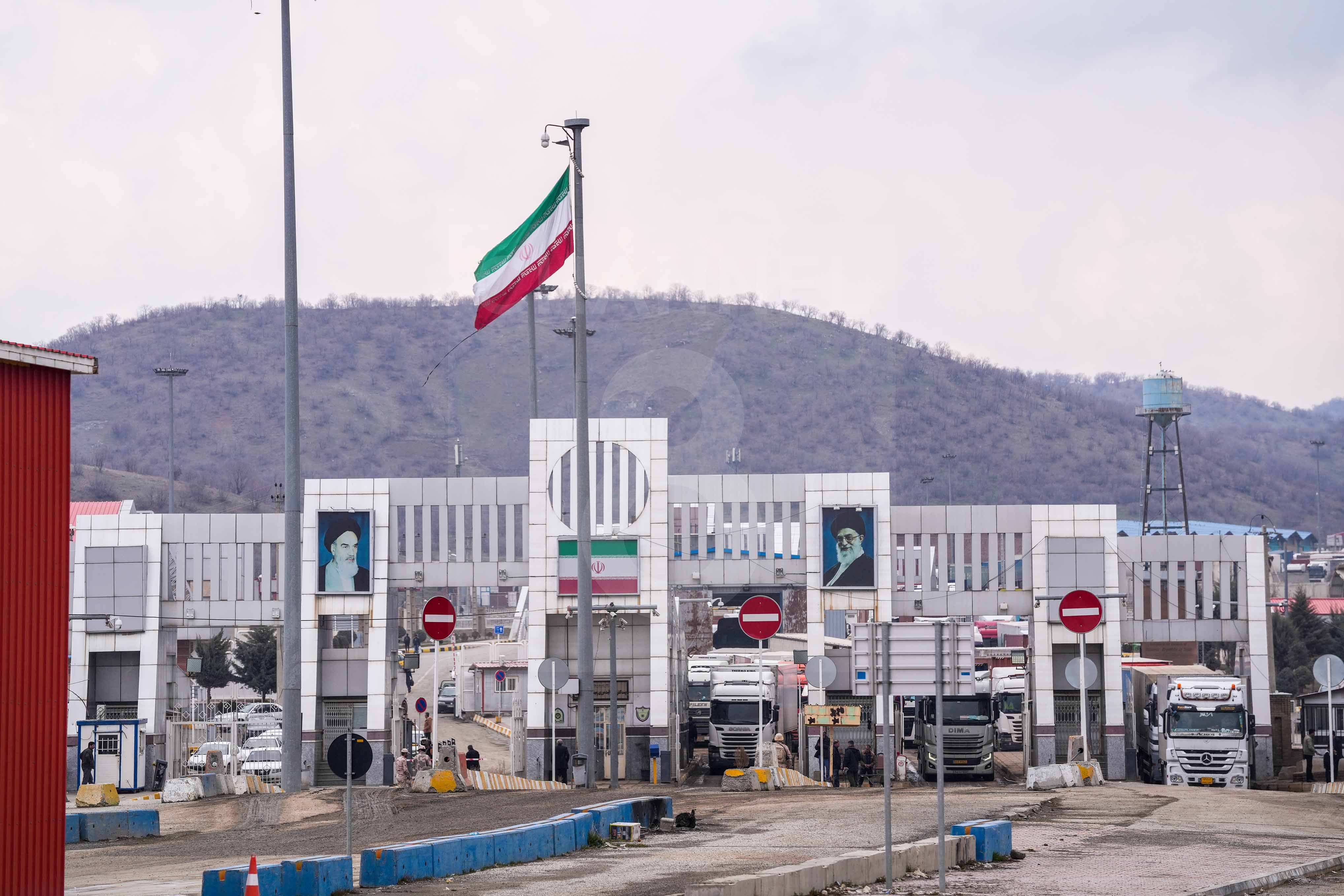
The financial strain follows a sharp decline in oil revenues linked to disruptions affecting exports through the Strait of Hormuz.
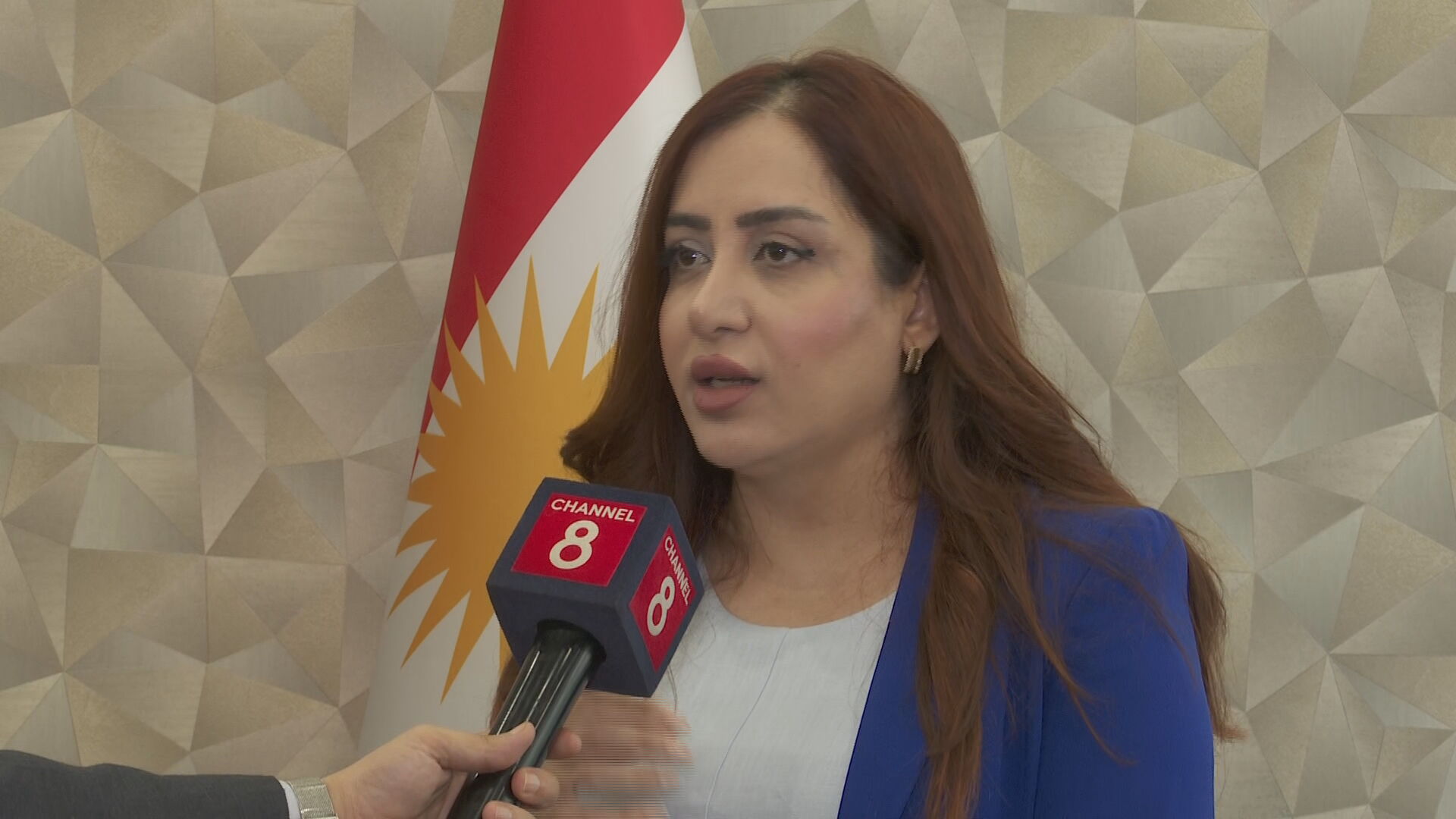
Dilan Ghafour, a member of the Parliamentary Finance Committee, said Iraq is considering two main options to manage the current financial shortfall until export conditions improve.
The options include domestic borrowing and printing additional Iraqi dinars.
She noted that any decision to issue new currency would require careful assessment against Iraq's foreign exchange reserves to avoid increasing inflation.
According to Ghafour, the government has relied on loans from Rafidain Bank and Rasheed Bank in recent months to help finance salary payments.
However, She said the lending capacity of the two state-owned banks is limited and cannot indefinitely cover the government's financing needs.
She added that Iraq could also use its foreign currency and gold reserves as collateral to secure domestic or international loans if necessary.
Reserves Decline as Spending Continues
According to the latest monetary data, Iraq's foreign currency reserves have fallen from $101 billion at the beginning of the year to $93.67 billion after more than $7 billion was withdrawn over the past five months to finance government expenditures.
Iraq requires approximately 8 trillion Iraqi dinars each month to pay public sector salaries.
According to the information obtained by Channel8, only 4.5 trillion dinars have been made available for July salary payments because of the sharp decline in oil revenues.
FYI
Iraq's economy remains heavily dependent on oil exports, which provide the majority of government revenue. The country previously relied on its foreign currency reserves during the war against ISIS and the COVID-19 pandemic before rebuilding them through higher oil prices. Economists view Iraq's foreign exchange holdings and 174.6 tons of gold reserves as key financial buffers that can help absorb economic shocks and support borrowing during periods of fiscal pressure.
Dive Deeper: Handpicked Stories for You
Follow Channel8 for continuous updates:
https://channel8.com/english/news/62866


.webp)