Iraqi Parliament Calls Emergency Session Over Fiscal Crisis
At a Glance
- 148 MPs back emergency session
- Finance minister to brief lawmakers
- Oil revenue trails monthly spending needs
- Salary funding among top priorities
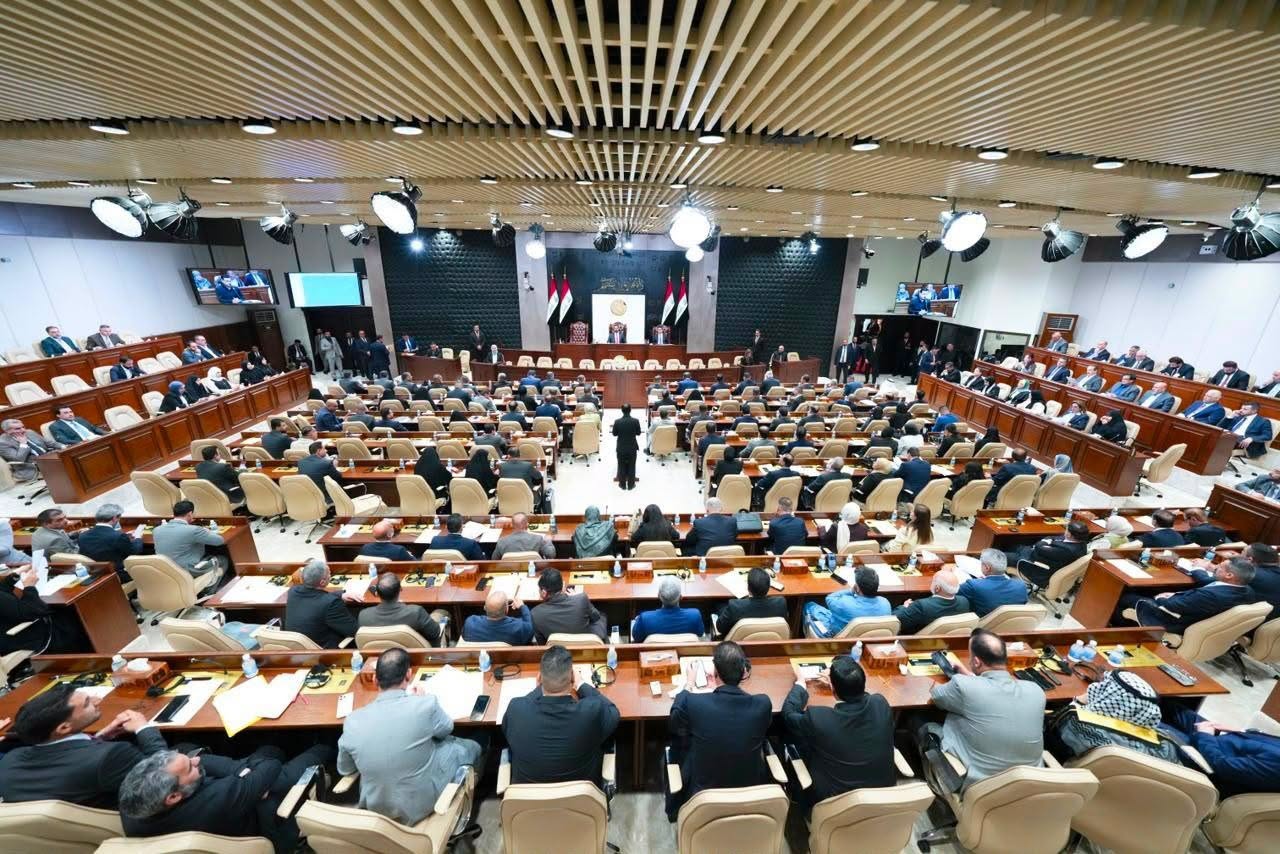
The Iraqi Council of Representatives will hold an extraordinary session on Saturday to address the country's worsening fiscal crisis and delayed public sector salaries, as lawmakers seek urgent measures to close a widening budget gap.
Key Statements and Focus Area
- Iraq's monthly oil revenue has fallen to 2.5 trillion IQD, while monthly obligations are estimated at 10 trillion IQD.
- Lawmakers will discuss emergency fiscal measures, including alternative revenue sources and possible borrowing legislation.
- The session will focus on securing public sector salaries and maintaining essential government operations.
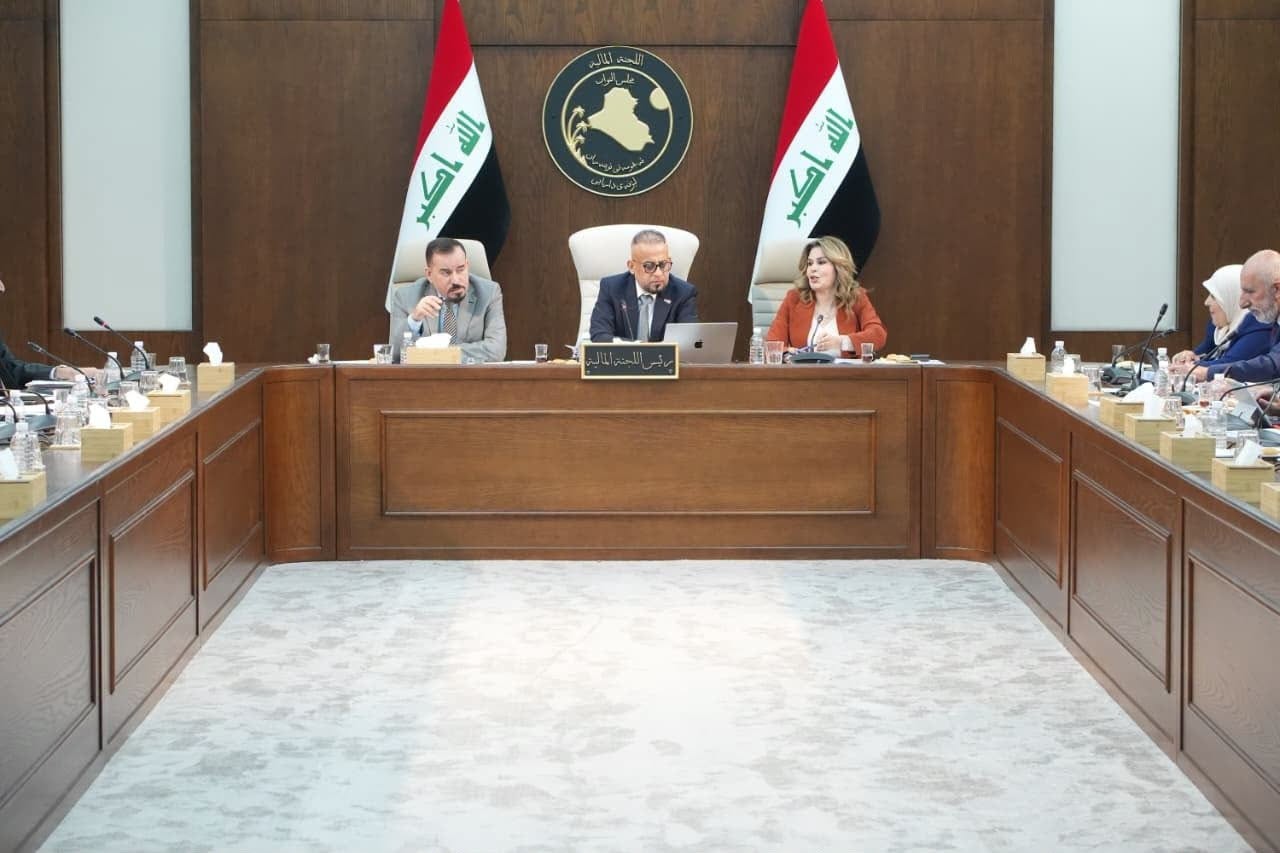
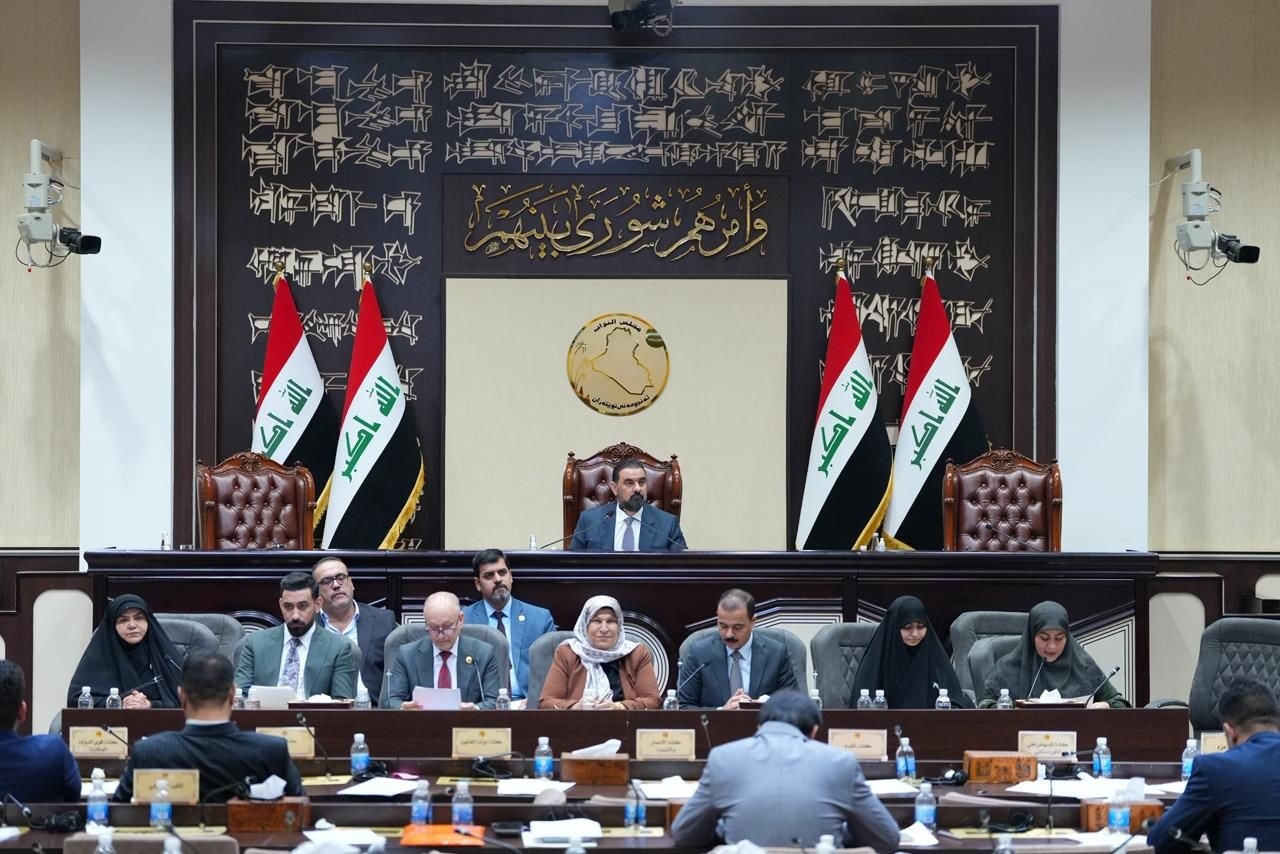
According to information obtained by Channel8, the Iraqi Council of Representatives will convene an extraordinary session on Saturday to discuss the country's growing financial challenges and delays in paying public sector salaries.
The session comes as declining oil revenues have significantly reduced government income, increasing pressure on the federal budget and prompting lawmakers to consider urgent legislative solutions.
A total of 148 members of parliament signed a formal request for the emergency session, arguing that the country's financial situation requires immediate legislative intervention.
Finance Minister Faleh al-Sari is expected to attend the session after requesting an opportunity to present the latest figures on Iraq's fiscal position and explain the government's financial outlook.
Lawmakers are expected to discuss a broader emergency fiscal strategy aimed at strengthening state revenues, maintaining market confidence, and ensuring the continuity of government spending.
Parliament is expected to examine a range of legislative options, including temporary fiscal measures, new borrowing authorizations, and proposals to reduce public spending in an effort to address the budget shortfall.
The primary objective is to secure funding for public sector salaries and other essential government obligations while addressing the widening gap between revenues and expenditures.
Iraq continues to rely on crude oil exports for more than 90% of federal revenues, leaving public finances highly exposed to fluctuations in global oil prices.
According to the figures obtained by Channel8, monthly oil revenues have fallen to approximately 2.5 trillion Iraqi dinars, while the government requires an estimated 10 trillion dinars each month to finance salaries and essential ministry operations.
The widening gap has increased pressure on the state budget and raised concerns over the government's ability to meet its financial commitments without additional policy measures.
FYI
Iraq's federal budget remains heavily dependent on oil exports, making government revenues vulnerable to movements in global energy markets. In recent months, lower oil prices have reduced monthly income while expenditure commitments have remained largely unchanged. Iraqi authorities have increasingly explored measures such as expenditure rationalization, non-oil revenue generation, and additional financing mechanisms to maintain salary payments and essential public services.
Dive Deeper: Handpicked Stories for You
Follow Channel8 for continuous updates:
https://channel8.com/english/news/62910