Araghchi Reaffirms Iran Standing Firm Against 'Coercion'
At a Glance:
- Foreign Minister Abbas Araghchi affirmed Iran will stand firm against external coercion.
- Tehran ceremony connected the Ashura legacy to current regional geopolitical tensions.
- Foreign Ministry hosted event following U.S. and Israeli military strikes.
- Iranian officials emphasize national dignity and sacrifice over submission to pressure.
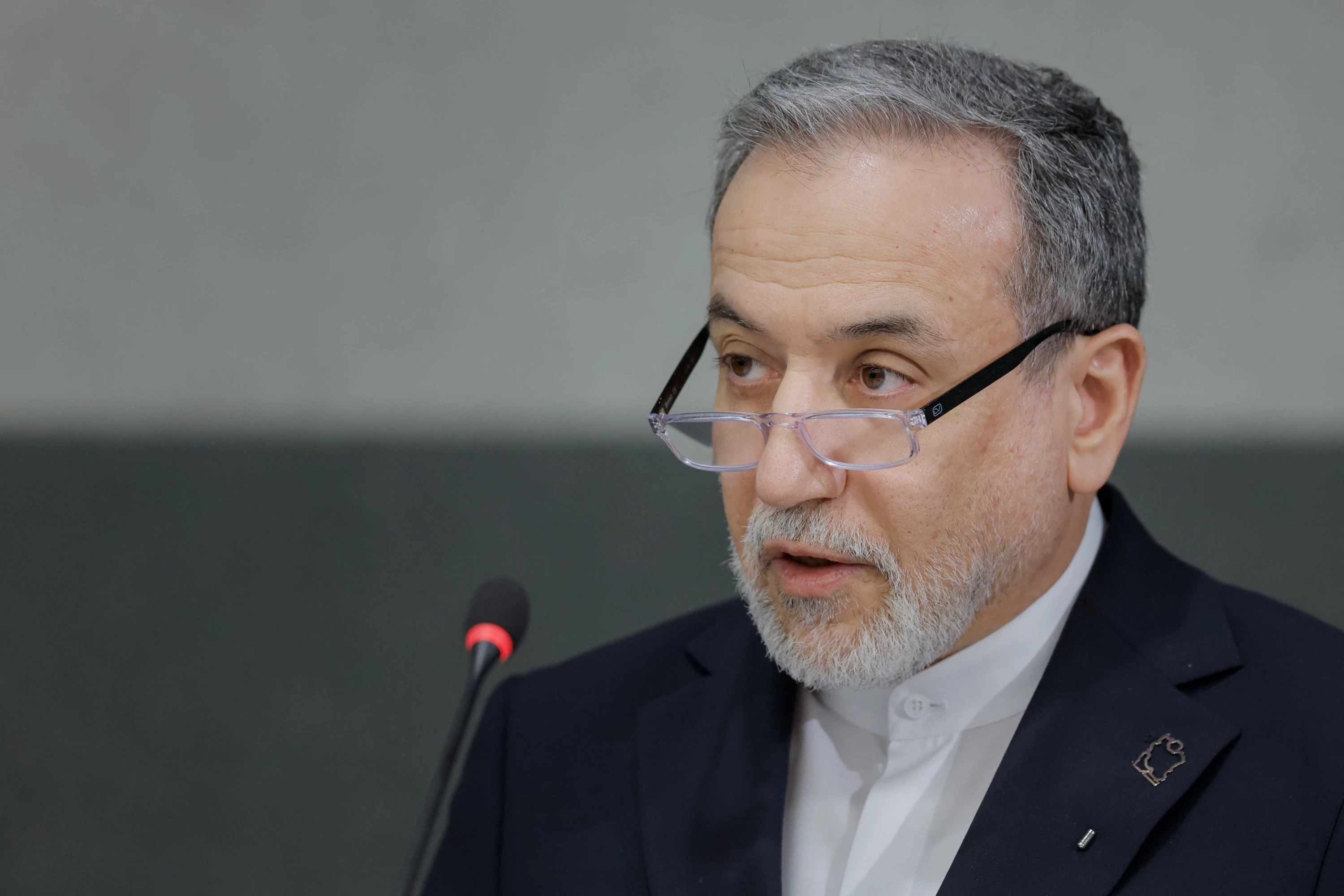
Iranian Foreign Minister Abbas Araghchi declared on Sunday that Iran remains resolute in its commitment to national resistance and independence despite mounting external pressures, rejecting demands to submit to foreign oppression.
Speaking at a diplomatic cultural conference in Tehran, Araghchi framed the nation's strategic posture through the historical narrative of Ashura, asserting that the Iranian people have chosen to endure hardship and sacrifice rather than accept life under foreign coercion following recent military strikes by the U.S. and Israel.
Key Statements and Focus Area
- Commitment to Resistance: Foreign Minister Abbas Araghchi emphasized Iran's core posture, stating that "Iran has stood firm on its commitment to resistance despite all pressures and, God willing, will continue to stand firm."
- Response to Recent Attacks: Addressing national casualties, Araghchi noted that citizens "witnessed the martyrdom of numerous people, including members of the Armed Forces and civilians, but stood firmly and courageously for their dignity and independence."
- Historical and Ideological Framework: Framing the country's posture, the minister cited the core principle that "death with dignity is more honorable than a life of humiliation," describing it as the enduring logic of resistance.
- National Resolve: Characterizing current geopolitical challenges, Araghchi stated that Iran today is "standing against the storm of injustice and oppression" to safeguard its sovereignty.
Foreign Ministry Address on Strategic Stance
Addressing diplomats and officials at the Foreign Ministry’s Institute for Political and International Studies during an event titled "Muharram and Ashura in the Mirror of Foreign Ministry Documents," Foreign Minister Abbas Araghchi outlined Tehran's strategic mindset. He stated that nations confronting pivotal historical moments face a clear choice between surrendering to foreign dictation or defending their sovereignty and political independence, even when facing severe opposition.
Context of Regional Hostilities
Araqchi noted that this year's religious ceremonies took on heightened political significance following military attacks carried out by the United States and Israel against Iranian targets. Highlighting the casualties suffered among both military personnel and civilians, the Foreign Minister praised the public's resilience, maintaining that domestic unity remains intact despite external efforts to isolate and pressure the country.
Principles of the Logic of Resistance
Elaborating on Tehran's foreign policy ideology, Araghchi explained that Iranian statecraft measures courage not through aggressive conquest, but through a readiness to make sacrifices in defense of foundational principles. He affirmed that Iran would remain bound to the sacrifices made for its national integrity, positioning ideological conviction as a central pillar of the state's long-term diplomatic and defense strategy.
FYI
The Iranian Foreign Ministry's explicit framing of current geopolitical conflict through historical and religious symbolism reflects Tehran's broader strategy to bolster domestic cohesion during periods of intense international isolation. Following recent direct military exchanges with the U.S. and Israel, Iranian leadership continues to utilize cultural narratives to justify economic endurance and signal to foreign adversaries that diplomatic pressure will not yield unilateral concessions. By tying modern state policy to deeply ingrained national identity, Tehran seeks to maintain a unified domestic front while signaling long-term resilience to regional and international observers.
Dive Deeper: Handpicked Stories for You
Follow Channel8 for continuous updates:
Iran Sets Conditions for Strait of Hormuz Reopening
Trump Halts Imminent Strikes on Iran Following Regional Appeal
.jpg)