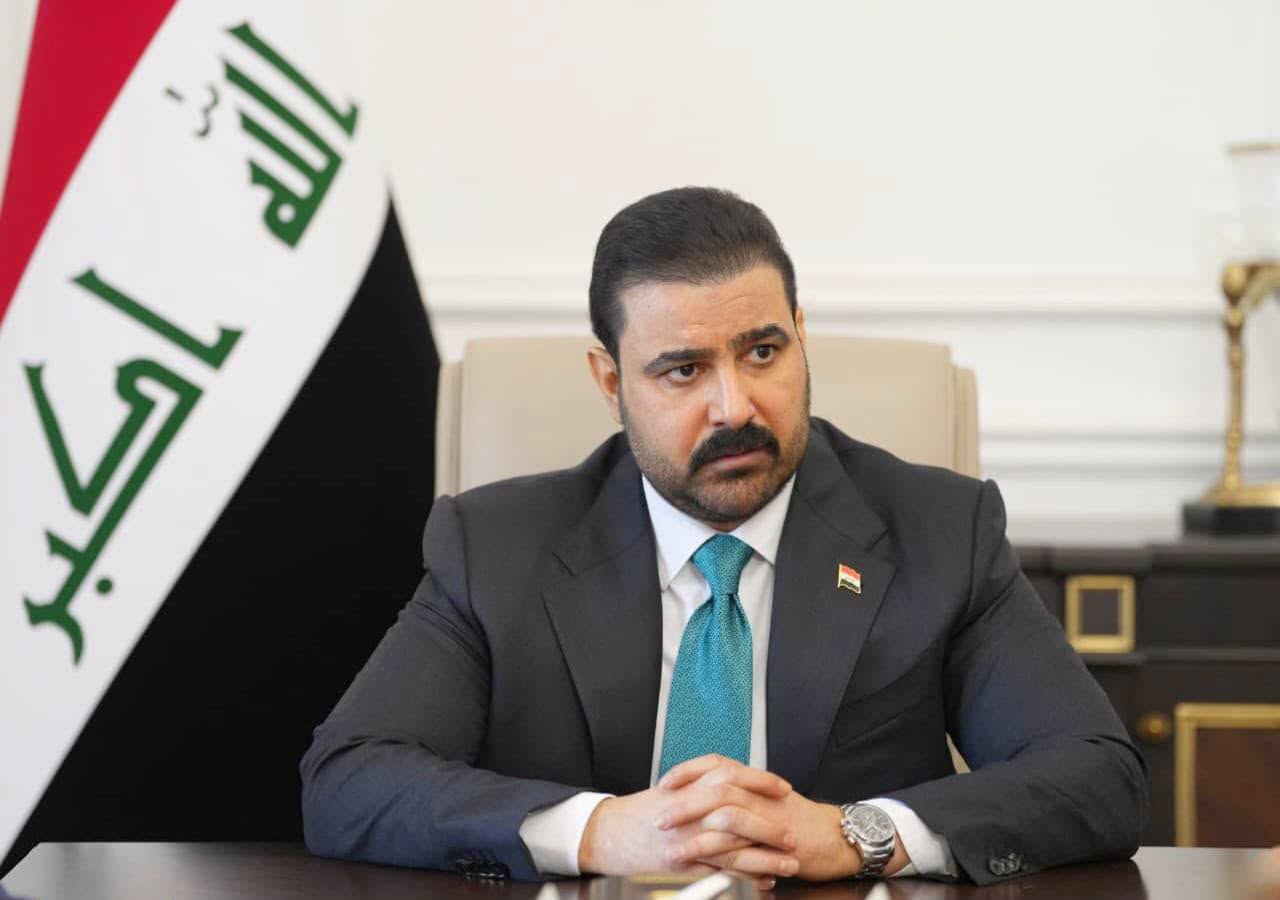
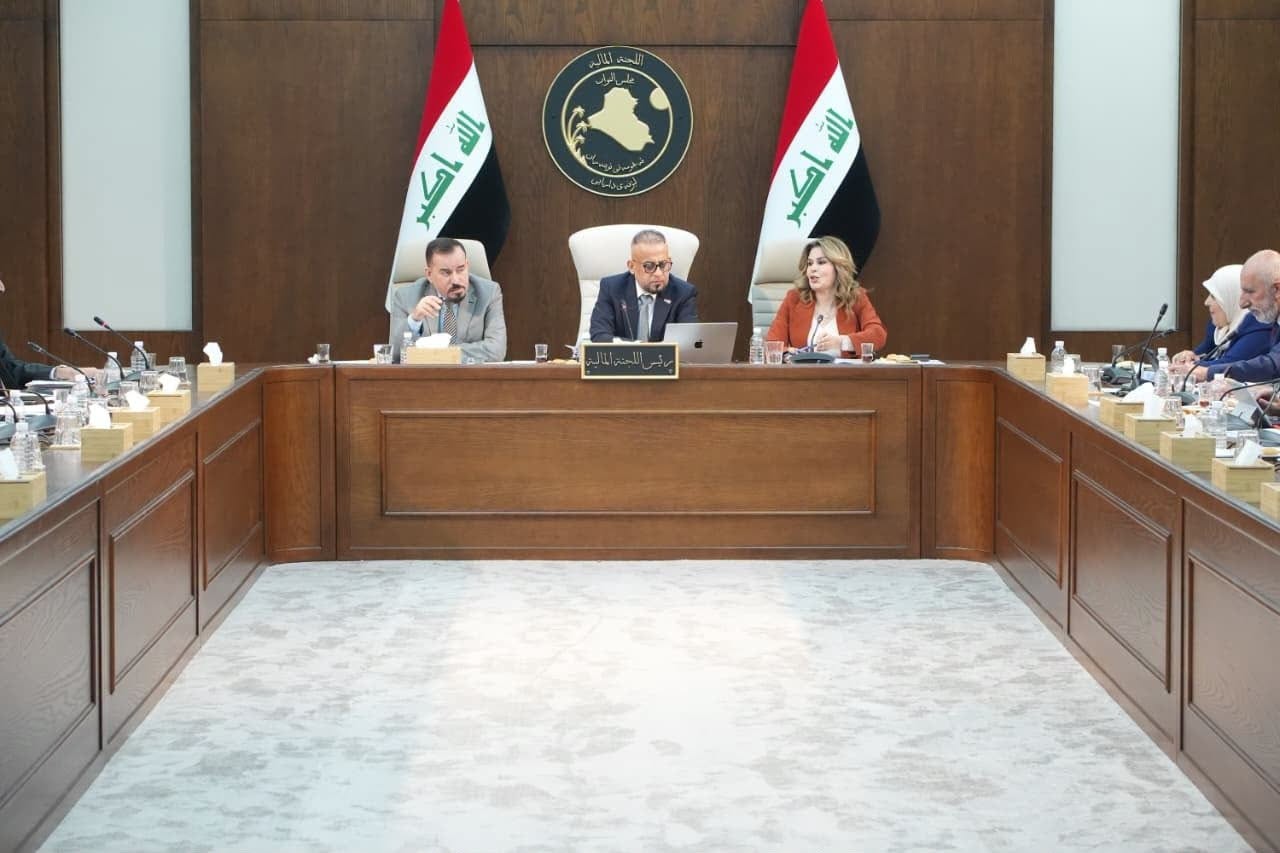
PM Al-Zaidi Discusses Fiscal Reforms With Finance Committee
At a Glance
- Inter-branch coordination prioritized to align executive strategies with parliamentary oversight.
- Performance-based budgeting introduced for the first time to streamline federal expenditure.
- Power sector prioritized alongside an uncompromising anti-corruption drive across state institutions.
- Economic strategy unveiled to build an administrative framework designed to attract global investment.
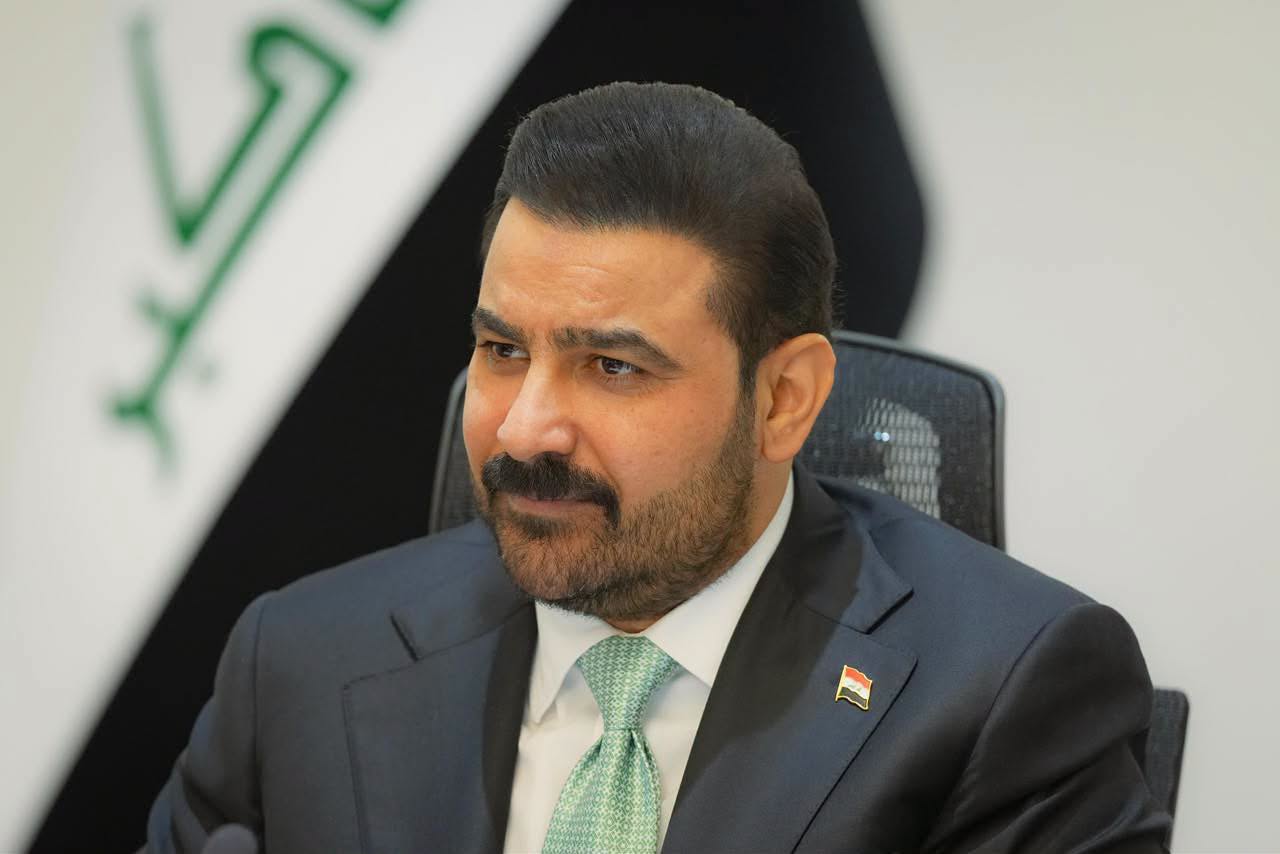
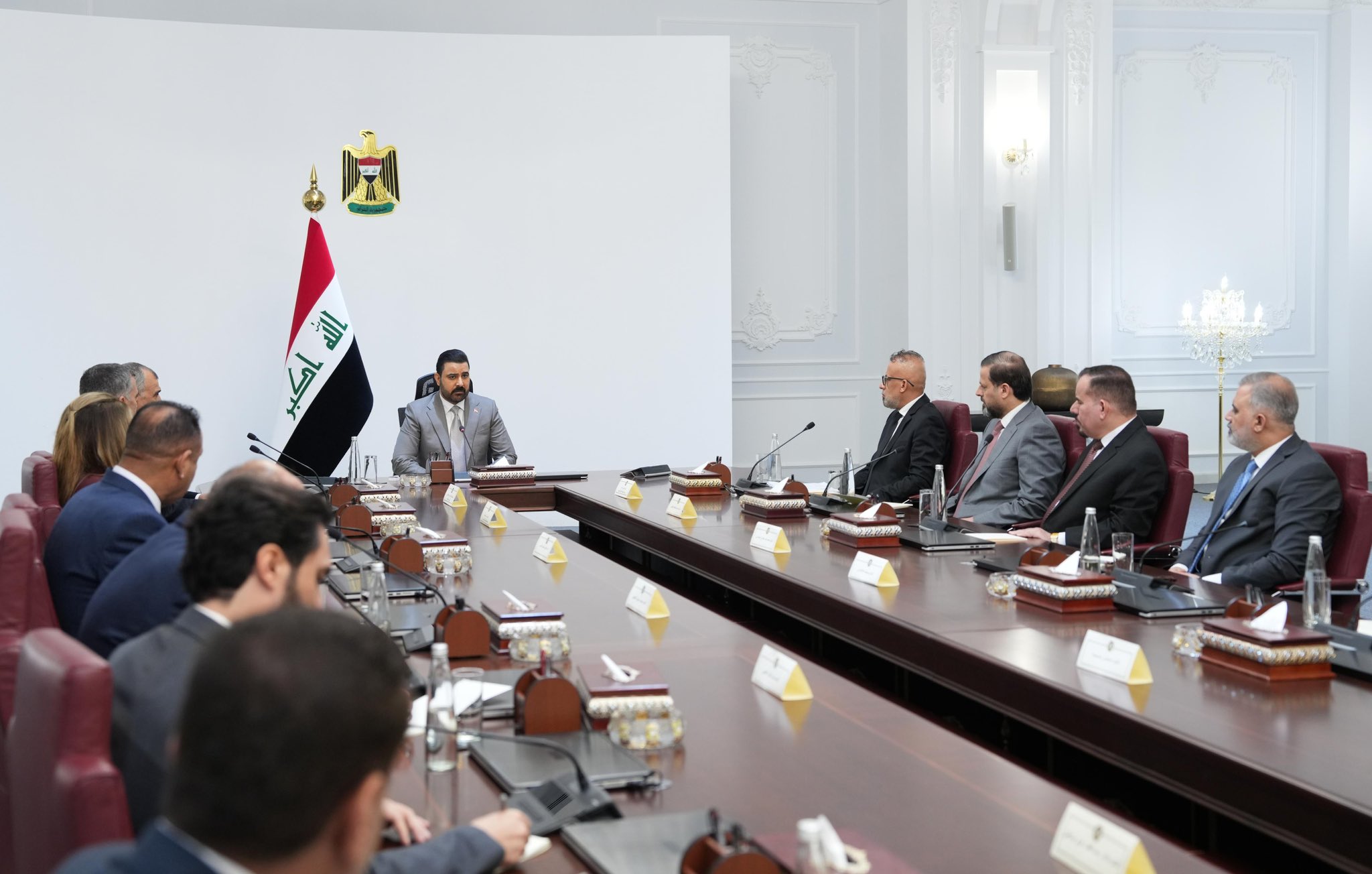
Prime Minister Ali Faleh al-Zaidi hosted the Chairman and members of the Parliamentary Finance Committee at the Prime Minister's Office, alongside the Minister of Finance and the Governor of the Central Bank of Iraq. The high-level meeting focused on aligning fiscal policy, executing structural economic reforms, and strengthening institutional coordination between the executive and legislative branches to tackle Iraq's priority development challenges.
Key Statements and Focus Area
- Performance Budgeting: "For the first time, Iraq has initiated the transition toward program and performance budgeting, establishing a strategic roadmap that directly links public expenditure to concrete outcomes and economic efficiency."
- Anti-Corruption Commitment: "There are zero red lines in prosecuting corrupt individuals. Parliamentarians must exercise their constitutional oversight to support government measures aimed at drying up the sources of corruption."
- Economic Vision: "The administration is formulating a state-building strategy centered on creating a new economic model for Iraq, establishing corruption-free public agencies, and strengthening constitutional security institutions."
Executive-Legislative Framework and Fiscal Planning
During the consultation, Prime Minister Al-Zaidi emphasized the critical role of the Council of Representatives and its Finance Committee in advancing government reforms designed to address legacy systemic challenges. Central to the financial agenda is Iraq's historic pivot toward performance-based budgeting, a framework designed to replace traditional line-item spending with outcome-oriented resource allocation. The Minister of Finance and the Central Bank Governor outlined complementary monetary and fiscal measures aimed at reinforcing market stability and safeguarding public funds.
Priority Sectors, Anti-Corruption, and Foreign Investment
The Prime Minister designated the electricity sector as an area requiring exceptional state focus, committing dedicated administrative resources to overcome infrastructure bottlenecks. Al-Zaidi further highlighted growing international corporate interest in Iraqi markets, alongside readiness from global financial institutions to support the nation's economic trajectory. To capitalize on this interest, the administration is actively refining regulatory frameworks to establish an attractive climate for foreign direct investment.
Legislative Support and Institutional Coordination
To maintain continuous alignment, Prime Minister Al-Zaidi directed the establishment of a formal schedule for regular joint meetings between executive officials and parliamentary committees. In response, the Chairman and members of the Parliamentary Finance Committee affirmed their full support for the government's direction. Lawmakers presented specific legislative proposals to spur non-oil economic sectors, streamline energy projects, and foster job creation through industrial diversification and private sector growth.
FYI
Iraq's fiscal governance has long faced structural hurdles, including heavy reliance on volatile oil revenues and public sector wage burdens. The implementation of program-based budgeting represents a significant shift toward modernizing public financial management, bringing Iraq closer to international fiscal standards. Furthermore, institutionalized cooperation between the Prime Minister's office, the Central Bank, and the Finance Committee is vital for securing legislative backing on crucial fiscal bills, improving investment security, and sustaining public infrastructure development amid broader regional economic shifts.
Dive Deeper: Handpicked Stories for You
Follow Channel8 for continuous updates:
Iraqi Parliament Calls Emergency Session Over Fiscal Crisis
Hormuz Oil Disruption Triggers Severe Fiscal Crisis in Iraq
Iraq to Adopt Performance-Based Budgeting for the 2027 Fiscal Year