Hormuz Oil Disruption Triggers Severe Fiscal Crisis in Iraq
At a Glance
- Iraq faces acute budget shortfalls, forcing widespread delays in public sector salary distributions.
- Maritime obstacles in the Strait of Hormuz have severely suppressed national crude oil revenue.
- Baghdad requires 10.8 trillion Iraqi dinars each month to satisfy payroll and operating obligations.
- Strategic assurances from Iranian authorities have yet to translate into tangible transit relief.
The Iraqi government is confronting a severe financial crisis characterized by growing budget deficits and delayed civil service wage payouts, driven by sharp reductions in crude oil exports and persistent transit bottlenecks through the Strait of Hormuz.
Key Statements and Focus Area
- Spokesperson on Economic Strain: Iraqi Government Spokesperson Haider al-Aboudi highlighted the severity of the logistics crisis, stating that while the Strait of Hormuz bottleneck created a "major economic shock," the country "remains far from the specter of bankruptcy" as emergency fiscal measures take shape.
- Liquidity and Payroll Thresholds: Officials confirmed the baseline fiscal requirement needed to maintain stability, emphasizing that Baghdad requires "10.8 trillion Iraqi dinars in cash monthly to cover salaries and essential public expenses."
- Status of Diplomatic Guarantees: Addressing diplomatic engagements with regional neighbors, government statements noted that despite receiving initial assurances from Tehran to exempt Iraqi crude from transit restrictions, "international as well as Iranian promises have not practically facilitated commercial and maritime movement" in the region.
- Emergency Central Bank Intervention: Financial authorities emphasized that the Central Bank of Iraq is currently executing a "pivotal and primary role" in managing domestic reserves, extending short-term liquidity, and containing the immediate impact of the deficit.
Revenue Collapse and Salary Disruption
The structural vulnerability of Iraq's oil-dependent economy was laid bare in July as public sector salary distributions ground to a temporary halt across multiple ministries. The combination of declining export volumes and lower global oil price realizations reduced state cash reserves to critical thresholds, forcing the Ministry of Finance to prioritize essential operational costs while seeking domestic liquidity solutions.
The Fiscal Math: SOMO Revenue vs. National Commitments
Official sales statistics from the State Organization for Marketing of Oil (SOMO) underscore the scale of the shortfall. Combined crude oil sales for May and June totaled 32,114,000 barrels, generating approximately $2.335 billion in revenue. With Iraq requiring 10.8 trillion Iraqi dinars (roughly $8.2 billion USD) every month solely to clear public payrolls and routine government expenditure, the dual-month income covered less than fifteen percent of the state’s running operational requirements.
Operational Obstacles in Southern Shipping Lanes
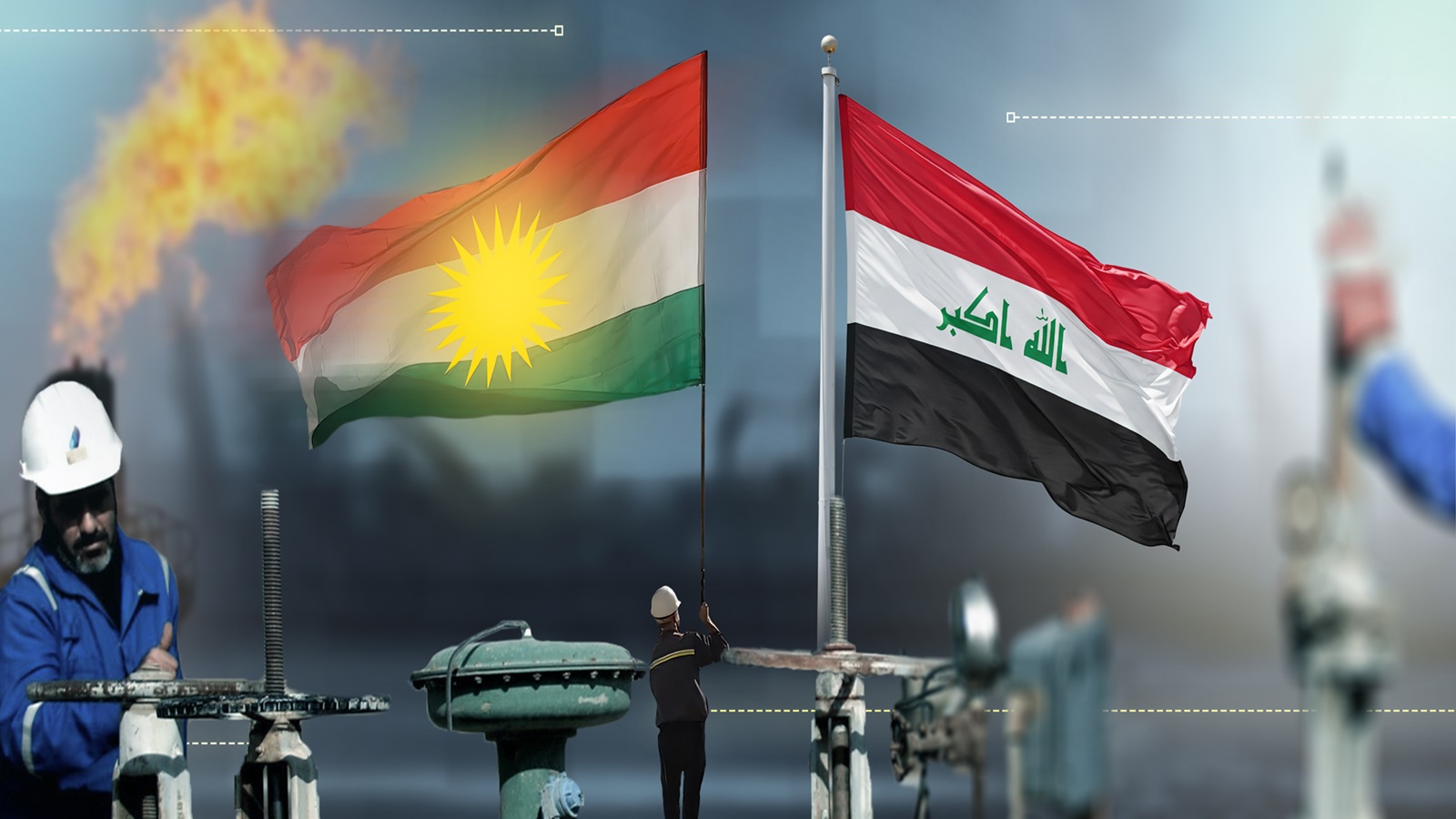
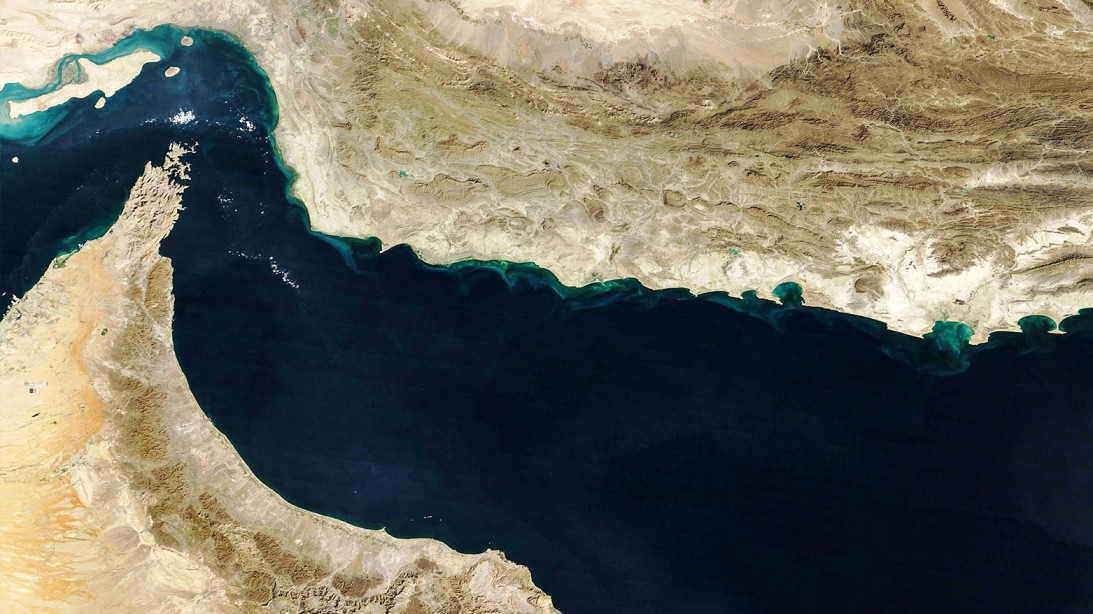
Despite ongoing high-level talks, commercial tankers loading Basra crude at Iraq's offshore oil terminals continue to face severe operational and security hurdles entering and navigating the Strait of Hormuz. Iraqi authorities confirmed that without unhindered maritime transit through the Gulf, alternative land and pipeline bypass routes remain insufficient to handle the nation's baseline production capacity.
FYI
Iraq’s current financial emergency is rooted in its heavy reliance on a single maritime bottleneck. Approximately 95 percent of Iraq's state revenues derive from crude exports shipped through the Strait of Hormuz. Following military standoffs and geopolitical escalations across the Gulf earlier this year, Iran declared restrictions across the strategic waterway, causing Iraq's monthly crude exports to drop from a baseline of ~93 million barrels down to fractional levels. While Iraq has attempted to reactivate northern export pipelines toward Turkey's Ceyhan port to bypass the Gulf, infrastructure constraints limit northbound throughput to roughly 200,000 to 400,000 barrels per day, far below the 3.5 million bpd needed to sustain the federal budget. Consequently, Baghdad has increasingly turned to the Central Bank of Iraq and internal debt issuance, pushing domestic liabilities past 96 trillion dinars as it attempts to cushion public sector payrolls.
Dive Deeper: Handpicked Stories for You
Follow Channel8 for continuous updates:
https://channel8.com/english/news/62873