Iraq Steps Up Efforts to Recover Smuggled Antiquities
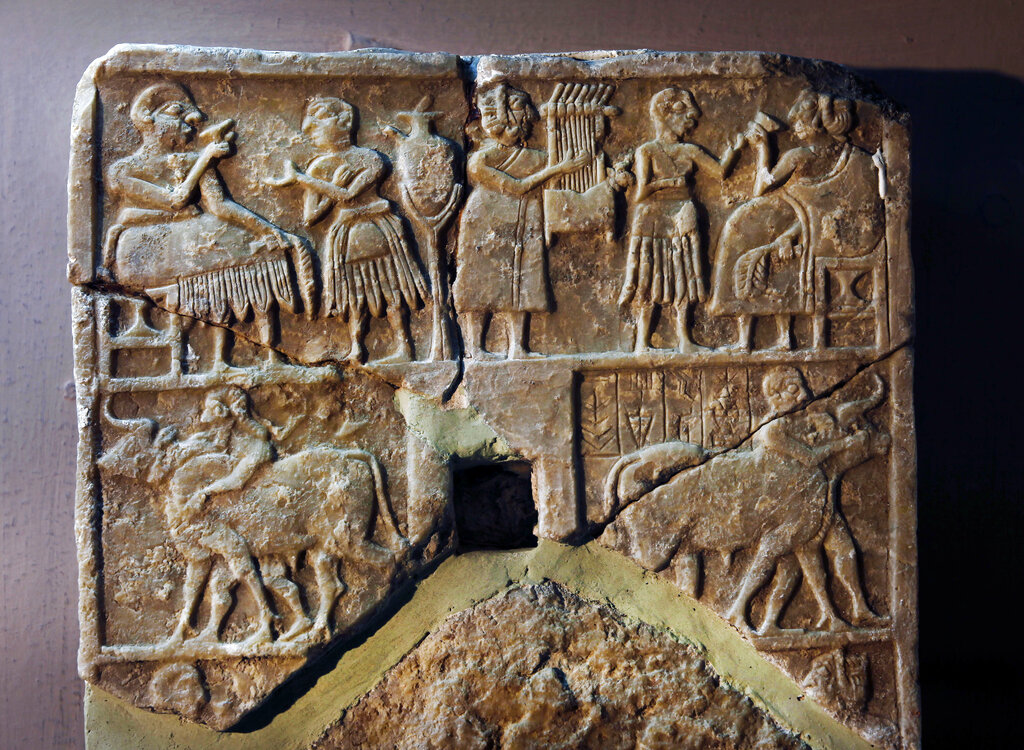
At a Glance
- More than 5,000 Iraqi artifacts were smuggled
- Iraq expands recovery efforts
- Interpol and embassies assist investigations
- Thousands of items recovered
Iraq is continuing efforts to trace and recover antiquities taken from the country and smuggled abroad following the 2003 invasion, according to a senior Culture Ministry official.
Key Statements and Focus Area
- Qasim al-Sudani: More than 5,000 registered museum artifacts were smuggled abroad after 2003.
- Illicit excavations: Unregistered artifacts are more difficult to identify and trace.
Qasim al-Sudani, undersecretary at Iraq’s Ministry of Culture, Tourism and Antiquities, said more than 5,000 registered museum artifacts were taken out of the country following the 2003 invasion.
He said successive Iraqi governments have treated the recovery of these artifacts as a priority, given their importance to Iraq’s national heritage and to global cultural heritage.
The ministry has coordinated with Iraq’s Ministries of Foreign Affairs and Interior, Interpol, intelligence agencies, and Iraqi diplomatic missions to locate missing artifacts.
The effort also involves members of the Iraqi diaspora, who help authorities identify Iraqi antiquities when they appear at public or private auctions abroad.
According to al-Sudani, these efforts have resulted in the recovery of thousands of artifacts.
Al-Sudani said the missing antiquities generally fall into two categories.
The first consists of registered museum objects that were stolen and smuggled outside Iraq. Because these items were documented, authorities can more easily identify and trace them.
The second category includes artifacts removed during illegal or unregulated excavations. Their lack of official registration makes determining their origin and tracking them significantly more difficult.
Iraq’s National Security Service and Intelligence Service are working with the State Board of Antiquities and Heritage to monitor the illegal antiquities trade.
Al-Sudani said these efforts have contributed to the recovery of significant numbers of cultural artifacts.
He added that the ministry will continue working to recover Iraq’s heritage and plans to announce further recovered items as the process progresses.
FYI
The systemic destruction and looting of Iraq's ancient heritage reached a critical crisis point during the 2003 invasion, when the National Museum of Iraq in Baghdad was ransacked, resulting in the immediate loss of over 15,000 priceless artifacts dating back to Sumerian, Babylonian, and Assyrian civilizations.
This institutional collapse opened the floodgates for organized criminal networks to exploit the country's vast, unguarded geographic terrain, which contains over 12,000 documented archaeological sites.
In the decades that followed, the rise of ISIS further devastated regional heritage through the deliberate destruction of ancient ruins and the industrial-scale illegal excavation of uncataloged antiquities sold on the global black market to fund insurgent operations.
Dive Deeper: Handpicked Stories for You
Follow Channel8 for continuous updates:
How Archaeologists Unearth and Preserve Kurdistan's Past
Hawar Theater Group Takes "Behind Closed Doors" to Tunisia International Festival
12/08/2026