Exhibition in Qamishlo Documents Yazidi Heritage and Memory
At a Glance
- 50 photographs showcase Yazidi heritage
- Exhibition held in Qamishlo, Rojava
- German-backed project builds digital archive
- Focus on culture, displacement, and survival
A new photography exhibition in Qamishlo is using personal images and community stories to document Yazidi culture and preserve memories shaped by years of persecution and displacement.
Key Statements and Focus Area
- Nesrin Mohammed, HAWAR.help: Said preserving Yazidi culture is “a right for all communities” and stressed the value of sharing Yazidi traditions with other communities in Syria.
- Shirin Younis, rights activist: Described the exhibition as an “important and beautiful initiative” that presents Yazidis as an integral part of society.
- Yazidi representation: Younis called for broader participation by Syria’s communities in the country’s future and questioned the lack of Yazidi representation in the new parliament.
- Archive initiative: The project is collecting testimonies, personal stories, and historical material to create a lasting digital record of Yazidi community life.
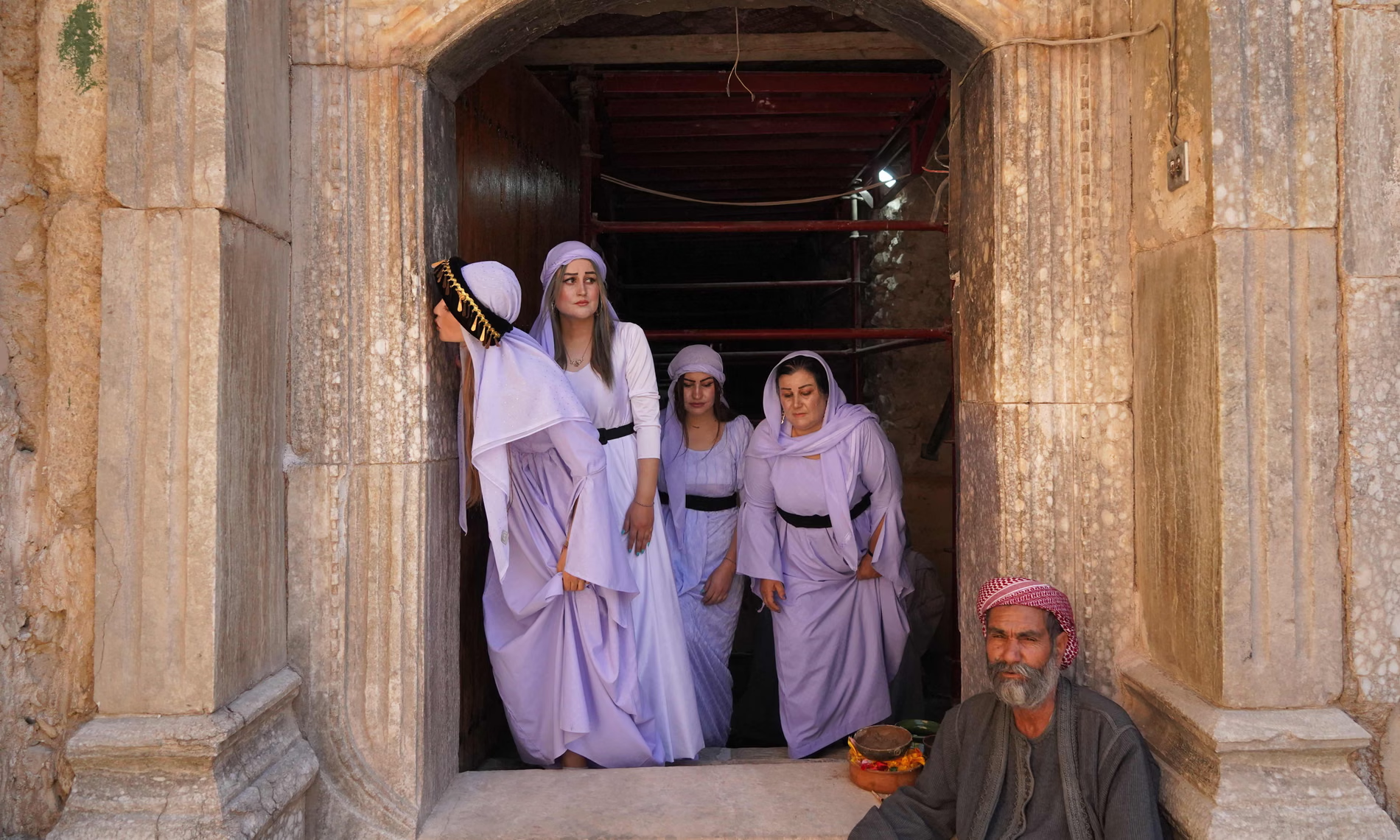
A photography exhibition featuring 50 images has opened at Al Bal Cafe in Qamishlo, Rojava (Western Kurdistan), offering a visual record of Yazidi culture and community life.
The event was organized by HAWAR.help and attracted activists, journalists, cultural figures, and Yazidi community members.
Rather than focusing solely on the violence experienced by Yazidis, the photographs portray religious ceremonies, social gatherings, daily life, and personal memories.
The exhibition also includes images of survivors of the massacres and families displaced from Shingal (Sinjar), a place regarded as the historic center of Iraq’s Yazidi community.
The exhibition forms part of the Yazidi Community Archive, an initiative supported by Germany’s Federal Foreign Office.
The project is gathering personal testimonies, accounts, and other community materials to preserve Yazidi history in digital form.
HÁWAR.help, which has previously documented crimes and abuses against Yazidis, is involved in the initiative.
Project manager Nesrin Mohammed said cultural preservation is important for all communities. She also pointed to Yazidi artistic, religious, and social traditions and said the project aims to give other Syrian communities a better understanding of Yazidi life.
Women’s rights activist Shirin Younis described the exhibition as an “important and beautiful initiative,” saying it provides a more complete picture of Yazidis as part of society.
Younis also called for Syria’s diverse communities to have a role in determining the country’s future.
She criticized the absence of Yazidi representation in Syria’s recently established parliament.
The preservation effort comes more than a decade after ISIS attacked Shingal in August 2014, killing and abducting Yazidis and subjecting thousands to enslavement.
Kurdish Peshmerga forces regained control of the district in late 2015. Iraqi forces later announced the full liberation of Nineveh province from ISIS in 2017.
Figures previously provided by Hussein al-Qaidi, head of the Kurdistan Region’s Office for Kidnapped Affairs, indicate that ISIS abducted 6,417 Yazidis during the attack.
Of those, 3,595 have since been rescued, while nearly 2,500 remain missing. More than 200,000 Yazidis also remain displaced.
FYI
More than 80 mass graves connected to the ISIS assault have been documented. The remains of 776 victims have been recovered, with 297 identified and returned to their families. Another 479 victims remain unidentified, with DNA testing still required to establish their identities.
Dive Deeper: Handpicked Stories for You
Follow Channel8 for continuous updates:
Twelve Years Later, Yazidi Genocide Still Leaves Deep Scars
German Court Sentences Iraqi Couple for Enslaving Two Yazidi Girls in Syria
 (1).webp)