Tectonic Pressure Mounts Over Kurdistan, Inevitable Earthquake Warning Issued
At a Glance
- Kurdistan sits directly along the tectonic convergence of the Arabian and Eurasian plates.
- USGS data confirms major seismic activity is certain to occur in the coming years or decades.
- Experts call for structural overhaul, lightweight wall materials, and steel reinforcement.
- Comprehensive upgrades to regional emergency response teams and building standards are urgently needed.
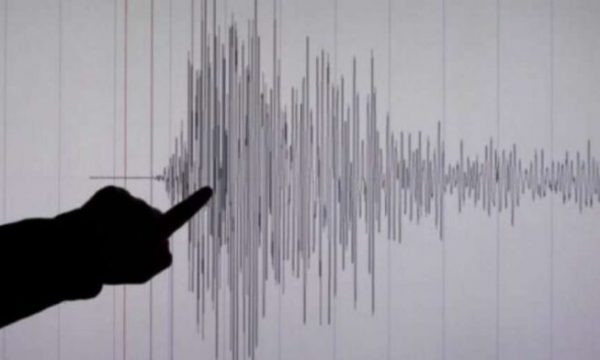
Rising tectonic activity along the active Zagros fault line presents an inescapable threat to the Kurdistan Region, prompting prominent researchers and scientists to call for immediate overhauls in local structural engineering standards and emergency readiness.
Key Statements and Focus Area
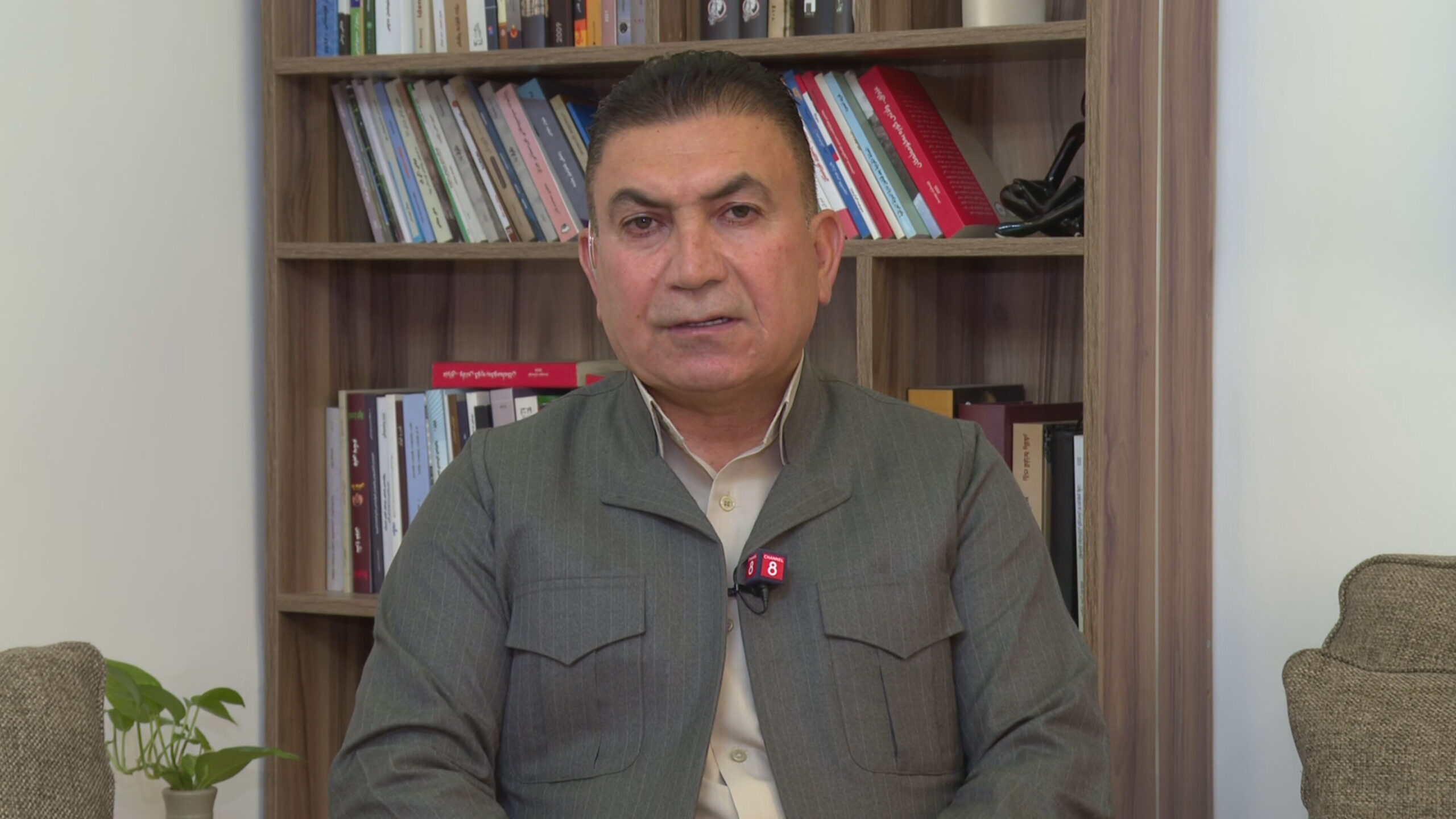
- Active Boundary Zone: US-based Kurdish astronomer Lukman Hawez emphasized the geographic risk: "Kurdistan is located on a seismically active zone similar to Northern and Eastern Kurdistan."
- Continuous Seismic Threat: Underscoring the inevitability of structural stress, Haweez noted: "Maps demonstrate that the convergence line of subterranean tectonic plates represents a continuous threat."
- Structural Wall Reinforcements: Addressing building vulnerabilities, Hawez recommended specific structural measures: "Vertical steel rebar must be placed inside wall cavities to prevent rapid collapse."
- Reducing Mass and Weight: Urging modern architectural shifts, Hawez added: "Using lightweight walls and reducing the load on building frameworks is an engineering necessity."
Subterranean Fault Lines Present Ongoing Seismic Danger
Data from the United States Geological Survey (USGS) confirms that the primary plate convergence boundary running through the Zagros mountain range passes directly through Southern, Eastern, and Northern Kurdistan. Because the Arabian plate continuously pushes northward into the Eurasian plate, the region remains subject to immense accumulated strain. Experts warn that while predicting the exact day or hour of a seismic event is impossible, the structural probability of a high-magnitude earthquake hitting the region in the near future remains extremely high.
Proposed Construction Standards and Structural Adaptations
To withstand lateral ground motion and prevent catastrophic building failures, scientists and structural engineers advocate for immediate updates to local construction practices. Recommended practices include mandatory transition to reinforced concrete or steel frame structural systems over unreinforced masonry. Integrating BRC steel wire mesh and industrial lightweight floor slab systems can significantly lower overall structural mass, while ensuring vertical columns maintain flexibility and energy-absorption capacity during severe shaking.
FYI
The call for updated building standards comes amidst growing awareness across the Middle East following severe regional seismic events in recent years. Historically, residential structures across parts of Iraq and neighboring countries relied on heavy unreinforced masonry and load-bearing walls that offer low tensile strength during horizontal movements. Modern seismic mapping and academic evaluations have catalyzed regional initiatives، including AI-driven vulnerability assessments and updated legislative code proposals، aimed at retrofitting vulnerable housing stocks and ensuring new infrastructure meets international seismic resistance standards.
Dive Deeper: Handpicked Stories for You
Follow Channel8 for continuous updates:
Two Earthquakes Shake Chamchamal Early Friday
Multiple Earthquakes Hit Southern and Eastern Kurdistan Border Region
5.9 Magnitude Earthquake Shakes North Kurdistan’s Malatya Province, No Major Damage Reported
.jpg)

.webp)