Al-Zaidi: Iraq Must Turn Hormuz Crisis Into Infrastructure Opportunity
At a Glance:
- The Iraq Prime Minister convened top energy and finance officials today.
- The government mandated around-the-clock operations for all oil companies.
- Al-Zaidi ordered officials to leverage existing opportunities and develop alternative infrastructure.
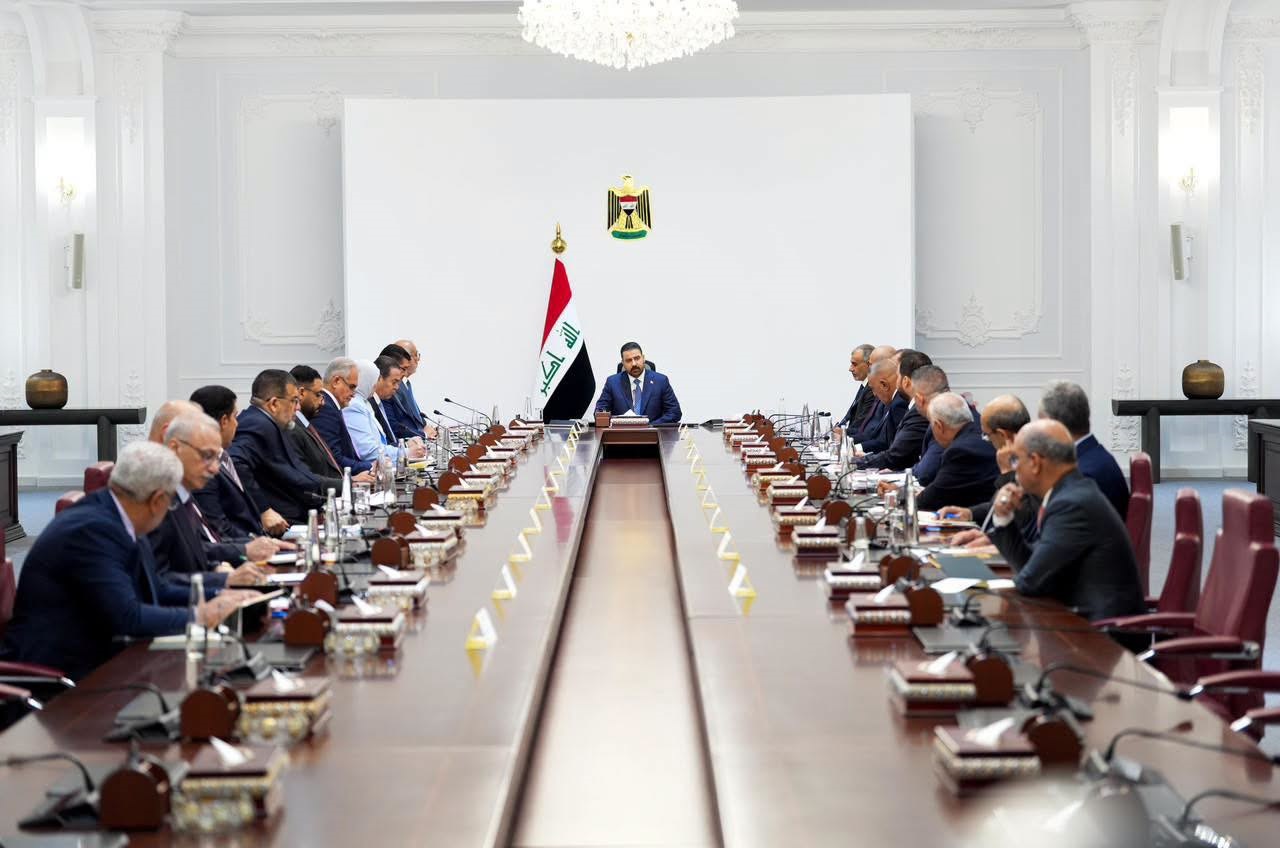
Iraqi Prime Minister Ali Faleh al-Zaidi chaired an expanded Ministry of Oil meeting on Monday to address a major decline in national export rates following the closure of the Strait of Hormuz, ordering oil companies to operate 24/7 to rapidly develop alternative export pipelines and infrastructure.
Key Statements and Focus Areas:
- The Prime Minister “emphasized the importance of accelerating efforts to find practical solutions by rehabilitating and developing oil pipelines and contracting with international companies to market and sell Iraqi oil.”
- Al-Zaidi praised the Ministry of Oil's efforts and "directed oil companies to operate around the clock to ensure sustainable production and boost export rates."
The Prime Minister’s Media Office said in a statement that the meeting was attended by the Minister of Finance, the Minister of Oil, the Prime Minister’s Chief of Staff, and the undersecretaries and directors general of all the ministry’s departments and formations.
The meeting reviewed ministry strategies and mechanisms to counter the Strait of Hormuz crisis, focusing on securing smooth oil exports and boosting capacity.
The officials addressed slumping Iraqi oil export rates caused by the closure of the Strait of Hormuz amid regional instability.
“Policies, plans, and possible solutions for addressing the repercussions of the crisis were also discussed, to ensure the continued export of oil and strengthen alternative export outlets,” the Prime Minister's Office said.
The Prime Minister directed officials to leverage the situation and “turn the crisis into an opportunity for success by developing oil infrastructure and expanding export outlets.”
Al-Zaidi stated that the Ministry of Oil possesses immediate solutions and opportunities capable of delivering rapid, tangible results.
FYI
The emergency meeting chaired by al-Zaidi comes at a time of severe geopolitical and economic crisis for Iraq.
The closure of the Strait of Hormuz, following the late-February regional conflict, has triggered a severe economic crisis by effectively landlocking Iraq's southern crude supply, which accounts for 85% to 90% of national exports."
The Kurdistan Region-Iraq oil export deal established a unified mechanism via the Turkey Pipeline to prevent economic collapse after closure of the waterway.
With the southern sea routes blocked, al-Zaidi's directive to "expand export outlets" focuses heavily on underutilized or damaged northern and western overland routes
Furthermore, During his July 2026 Washington visit, the Prime Minister signed 48 agreements worth over $60 billion, focusing on enhancing energy security through partnerships with major U.S. firms.
A key project involves rebuilding the Kirkuk-Baniyas pipeline in collaboration with Chevron to establish a 2-million-barrel-per-day export route independent of the Persian Gulf.
Dive Deeper: Handpicked Stories for You
Follow Channel8 for continuous updates:
Iraq Oil Exports Reach Two Million Barrels Daily, Says Oil Minister
Al-Zaidi Chairs Council Meeting on Financial Stability
Iraq, Turkey Expand Regional Transit Network via Development Road
Iraqi Oil Tanker Crosses Hormuz as Exports Increase
Iraq Targets 750,000 Barrels Daily Through Kurdistan Export Route
17/08/2026