Iraqi PM Advisor: Digital Dinar a ‘Promising Strategic Project’
At a Glance
- The Iraqi PM advisor described the digital dinar as a strategic initiative designed to enhance monetary policy and improve liquidity management.
- The advisor clarified the digital currency is a legal tender extension of the paper dinar.
- The official cautioned the project is not a direct remedy for structural macroeconomic imbalances.
- Lawmakers proposed distributing state salaries directly into citizen digital wallets.
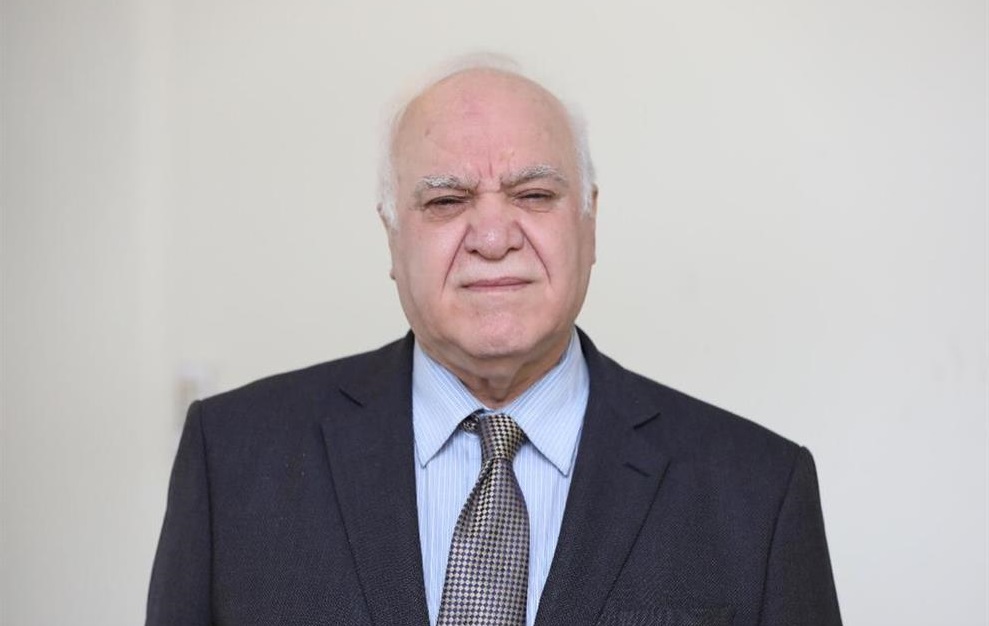
Mudher Muhammad Salih, advisor to the Iraqi Prime Minister, identified the proposed digital Iraqi dinar as a strategic initiative to boost monetary policy efficiency, enhance liquidity management, and modernize government payment systems.
Key Statement and Focus Area
- The PM advisor noted, "The proposal to launch the digital Iraqi dinar is one of the ideas worth studying within the framework of Iraq's orientation towards digital transformation and developing the financial system."
- Salih stressed that "the launch of the digital Iraqi dinar represents a promising strategic project, but it is not a substitute for economic and financial reforms; rather, it is a part of them."
- "The Central Bank of Iraq has made significant strides in the digital transformation path by expanding electronic payment systems, digital wallets, and point-of-sale (POS) devices, as well as linking banks to modern settlement systems," he added.
Speaking to state media, the Iraqi News Agency (INA), Salih said a digital dinar issued by the Central Bank of Iraq (CBI) with legal tender status could enhance monetary policy and liquidity management.
Salih explained that the initiative introduces a "digital version of the Iraqi dinar" for electronic trading while maintaining a value "equal to the paper dinar."
He clarified that the sovereign digital currency does not introduce a new currency, but rather creates a "digital version of the Iraqi dinar" available for electronic trading via digital wallets and bank accounts while remaining "equal to the paper dinar."
The digital currency aims to reduce cash reliance, cut operational costs, and counter financial corruption like tax evasion. However, Salih cautioned against viewing the digital dinar as a direct solution to Iraq's structural liquidity crisis.
He emphasized that the project serves to improve cash management efficiency rather than remedy broader macroeconomic imbalances.
The advisor highlighted that these measures form the foundation for a future sovereign digital currency. However, he noted that the transition requires completing legal frameworks, strengthening cybersecurity, and upgrading technical infrastructure.
Salih mentioned that paying employee and retiree salaries digitally is already "technically possible" due to existing widespread bank card enrollment. In the future, the government can study depositing funds directly into accounts linked to the digital dinar to limit the risks of "handling funds in cash."
He underlined that success depends on nationwide banking expansion, more payment devices, improved internet services, and higher "digital financial literacy" to ensure "community acceptance" and security.
FYI
The proposed digital Iraqi dinar aims to modernize capital movement and address a severe, structural liquidity paradox in the country.
To combat the hoarding of an estimated 70% to 80% of currency outside the banking system, legislators suggestsd to distribute government salaries directly via the digital dinar, bypassing the physical cash gridlock.
On Friday, August 7, lawmaker Saad al-Awadi formally proposed launching the digital Iraqi dinar to secure and distribute state employee and retiree salaries directly into digital wallets.
The explicit intent of this legislative push is to bypass the physical cash bottleneck and secure immediate purchasing power for citizens.
Dive Deeper: Handpicked Stories for You
Follow Channel8 for continuous updates:
Iraq, Iran Central Bank Chiefs Discuss Financial Cooperation
Rasheed Bank Commences National Bond Interest Payouts
Iraq Struggles to Contain Volatile Dinar Currency Disparity
Iraq's Budget Deficit Reaches 80 Trillion Dinars, Says PM Economic Advisor


.webp)