Iraq's Budget Deficit Reaches 80 Trillion Dinars, Says PM Economic Advisor

At a Glance
- Deficit estimated at 80 trillion IQD
- Oil revenues sharply decline
- 1,800 projects under review
- Government expands non-oil revenue efforts
Iraq's budget deficit has expanded to between 70 trillion and 80 trillion Iraqi dinars, driven by lower oil prices and a sharp decline in crude export revenues, prompting the government to suspend hundreds of development projects and accelerate measures to increase non-oil income.
Key Statements and Focus Area
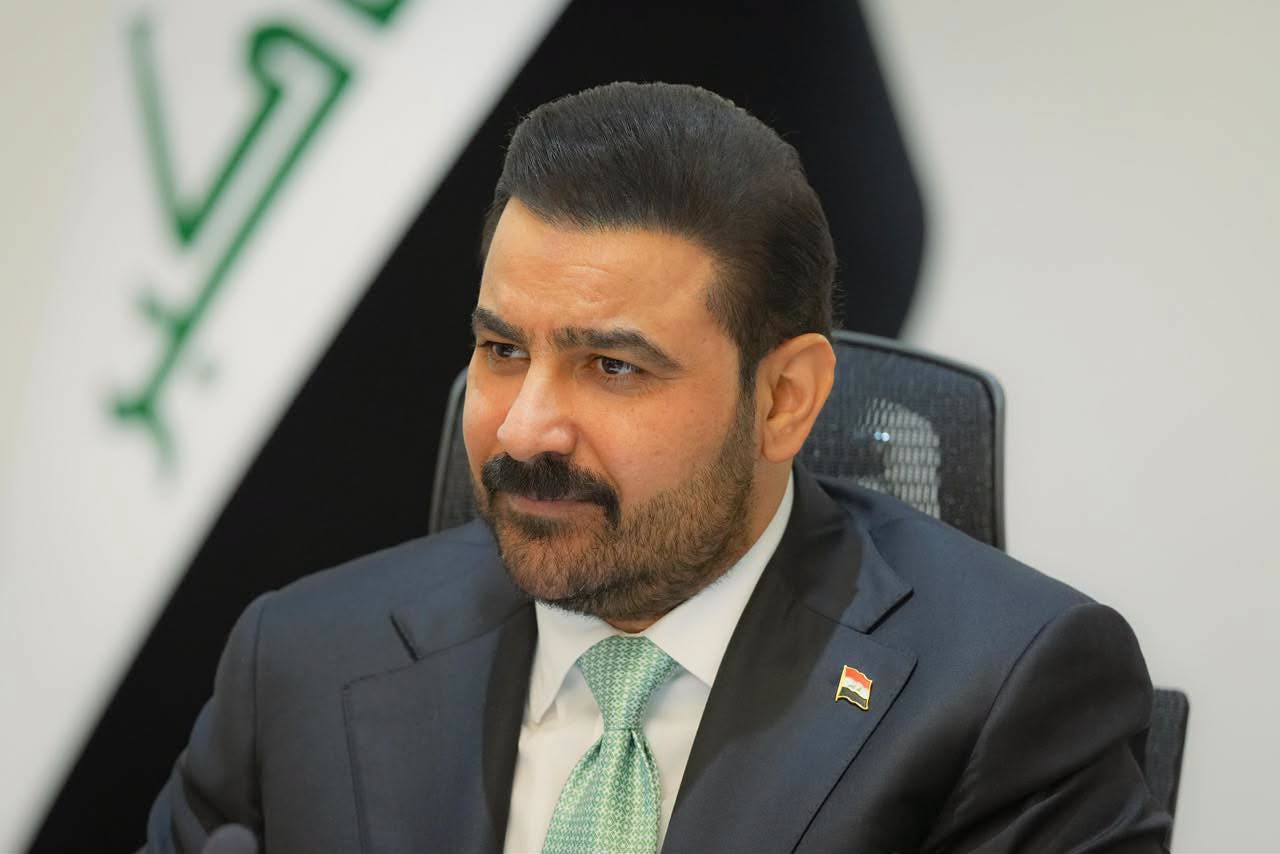
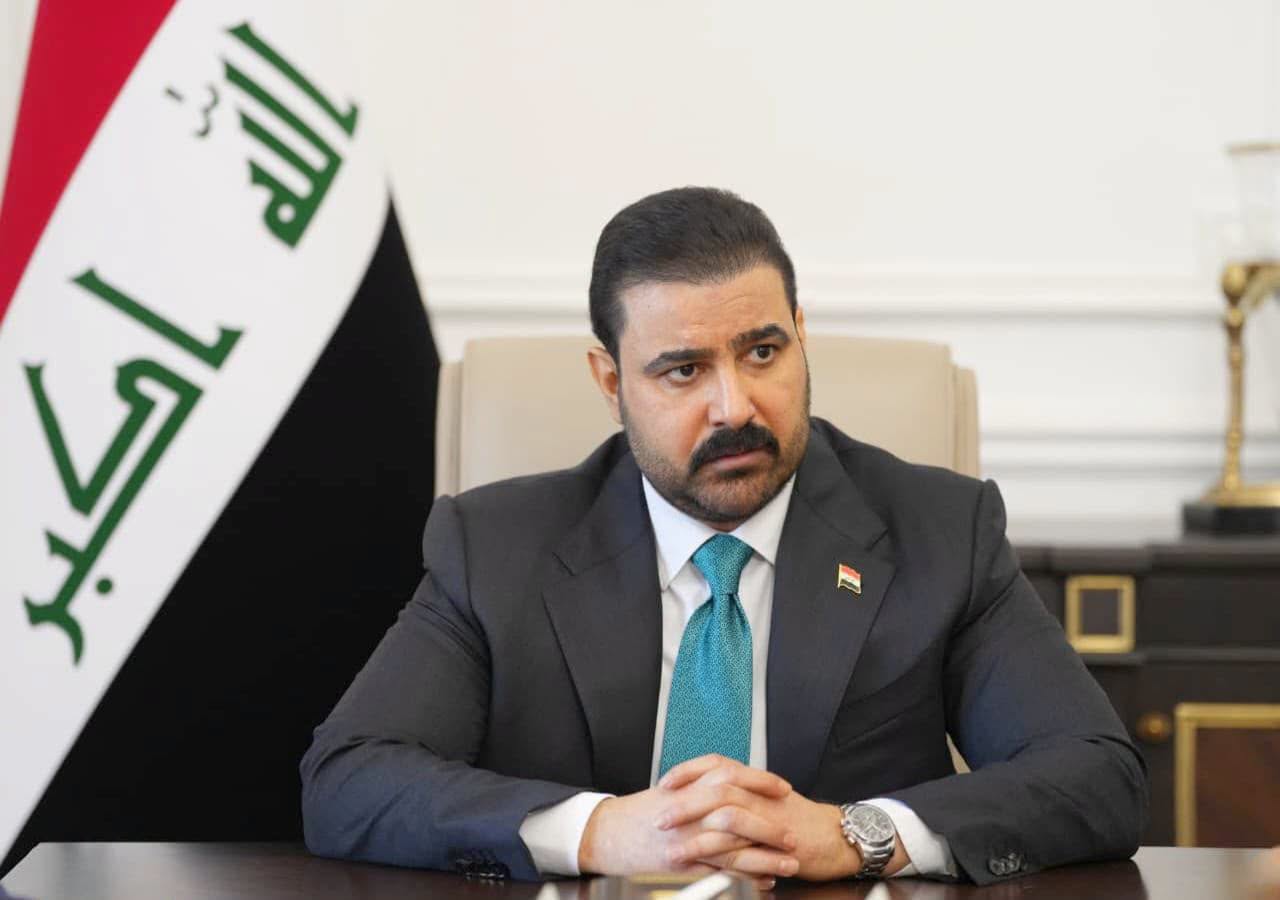
- Prime Minister's Economic Advisor Mudher Mohammad Salih said the deficit has reached 70–80 trillion IQD.
- Oil prices falling below the $60 per barrel benchmark in the federal budget have widened the fiscal gap.
- Around 1,800 development projects are being reviewed or suspended to reduce government spending.
- Non-oil revenues currently stand at 6.4 trillion IQD, accounting for about 16% of total state revenues.
- The government is expanding tax reforms and customs modernization through the ASYCUDA system.
According to information obtained by Channel8, Iraq is facing mounting fiscal pressure after lower oil prices and reduced crude export revenues pushed the country's budget deficit to an estimated 70–80 trillion Iraqi dinars.
Mudher Mohammad Salih, the Prime Minister's Economic Advisor, said the decline in Iraq's realized oil selling price below the $60 per barrel benchmark set in the federal budget has significantly widened the fiscal gap.
The current deficit exceeds the 64 trillion dinars originally projected under Iraq's three-year federal budget.
The government has begun reviewing public spending as it seeks to manage the financial shortfall.
Approximately 1,800 development projects are being reviewed or suspended as authorities prioritize funding for essential sectors, including water and healthcare services.
Salih said the government is seeking to strengthen non-oil revenues, which currently total 6.4 trillion Iraqi dinars, or about 16% of overall state income.
Officials are pursuing tax reforms and expanding the implementation of the Automated System for Customs Data (ASYCUDA) at border crossings to improve customs collection, reduce smuggling, and combat tax evasion.
The government is also working to sell confiscated domestic properties and recover stolen public funds held abroad as part of broader efforts to ease fiscal pressures.
FYI
Iraq's economy remains heavily dependent on crude oil exports, which generate more than 90% of federal revenues. Fluctuations in global oil prices and export volumes have a direct impact on government finances, making non-oil revenue diversification a long-standing policy objective.
In recent months, Iraqi authorities have accelerated customs reforms, tax collection measures, and the rollout of the ASYCUDA system while seeking additional sources of domestic revenue to reduce reliance on oil income.
Dive Deeper: Handpicked Stories for You
Follow Channel8 for continuous updates:
https://channel8.com/english/news/62910