Iraq Border Revenues Surpass 2.5 Trillion Dinars
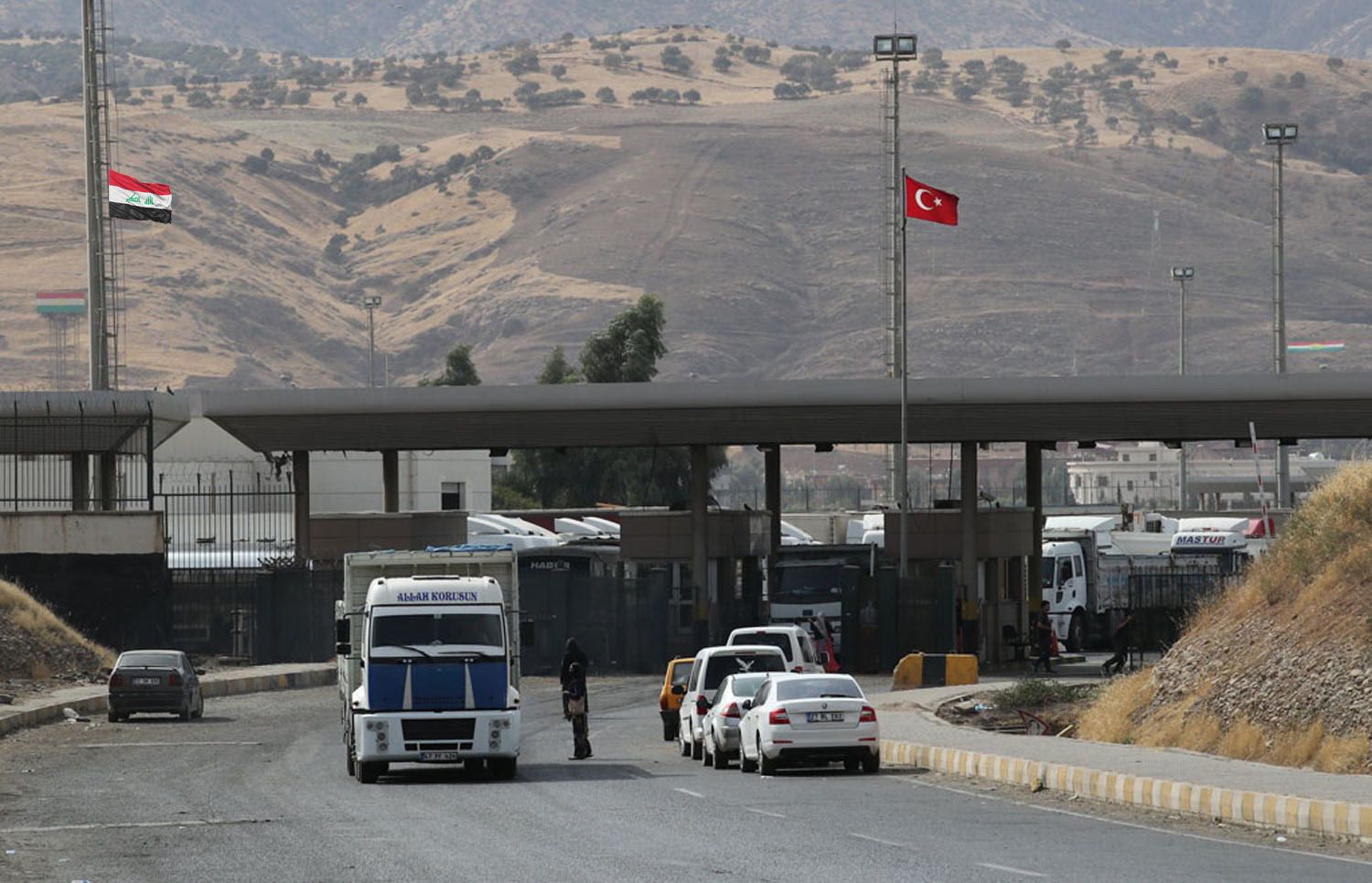
At a Glance
- Revenues exceed 2.5 trillion dinars
- July alone generated 560 billion dinars
- Digital monitoring uncovered tax violations
- Parliament targets 18–20 trillion annually
Iraq’s border crossings generated more than 2.5 trillion dinars in revenue during the first seven months of the year, as authorities expand digital monitoring and seek to significantly increase non-oil income.
Key Statements and Focus Area
- Revenue: Omar al-Waeli, head of Iraq’s Border Crossings Commission, told the official Iraqi News Agency that revenues from the country’s border crossings exceeded 2.5 trillion dinars during the first seven months of the year. July accounted for around 560 billion dinars of the total.
- Digital monitoring: Centralizing border transactions electronically helped prevent the loss of around 250 million dinars. Nearly 47 million dinars of the prevented losses were linked to shipments of charcoal and hookah tobacco. The electronic system also helped authorities identify dozens of violations and suspected attempts to evade taxes.
The figures come as the government seeks to strengthen non-oil revenues and improve oversight of trade entering and leaving the country. Authorities have linked Iraq’s border crossings to a centralized electronic management system designed to monitor transactions and cargo more closely.
Officials identified the falsification of shipment categories as one of the methods used to reduce or avoid applicable taxes. Centralized electronic monitoring allows authorities to track cargo and related transactions across border crossings, strengthening oversight of customs and tax collection.
The Border Crossings Commission considers continuous cargo monitoring a key mechanism for protecting public funds, the national economy, and consumer safety.
The Iraqi Parliament is working on new legal and administrative measures aimed at increasing annual revenue generated through border crossings. The Parliamentary Committee on Border Crossings and National Product Protection is seeking to raise annual revenues from around 8 trillion dinars to between 18 trillion and 20 trillion dinars.
The effort comes as Iraq faces pressure on public revenues amid regional tensions and disruptions affecting oil exports. Iraq currently has 22 official border ports, consisting of 11 land crossings, five airports, and six sea ports.
Commercial checkpoints connected to the Kurdistan Region also play a role in the movement of goods and wider trade flows. Reorganizing and improving the management of these crossing points forms part of broader government and parliamentary efforts to strengthen non-oil revenue sources.
FYI
Customs duties and other border-related fees are among Iraq’s main sources of non-oil revenue, making the modernization of border management important for diversifying public income. Improving customs collection can also reduce opportunities for smuggling, under-declaration of goods, and other forms of trade-related fraud.
Iraq’s border network connects the country to major regional markets through Türkiye, Iran, Jordan, Kuwait, and Saudi Arabia, while its sea ports provide access to international shipping routes through the Persian Gulf. This geographic position gives customs administration a significant role in both trade and state revenue collection.
Dive Deeper: Handpicked Stories for You
Follow Channel8 for continuous updates:
Finance Minister Orders Acceleration of Iraq's First Program and Performance Budget
Iraq Finance Committee and CBI Discuss Crisis Resolution Strategies
24/08/2026