Iraq Revives Plans to Remove Zeros From Dinar
At a Glance
- The Finance Committee discusses currency reform
- The Central Bank has prepared new designs
- Reform would not change purchasing power
- The process could take up to seven years
Iraq has renewed discussions over a long-planned currency reform that would remove zeros from the dinar, with the Central Bank and Parliament examining the requirements for implementing the proposal.
Key Statements and Focus Area
- No change in value: The Finance Committee considers the removal of zeros an accounting and monetary reform rather than a change in the actual value of the currency. Under the proposal, removing zeros would simplify the figures used in commercial transactions, government budgets, and banking operations without changing the purchasing power of the dinar. The measure is also intended to reduce calculation and accounting errors associated with the large denominations currently used in Iraq.
- Banking system: One of the main objectives is to bring an estimated 8 to 10 trillion dinars currently outside the formal banking system back into circulation through banks. The information provided indicates that a large proportion of Iraq’s cash is held outside banks, creating challenges for liquidity management and efforts to track monetary flows. The proposed currency change is therefore also being viewed as part of a wider effort to strengthen the banking system and improve control over cash circulation.
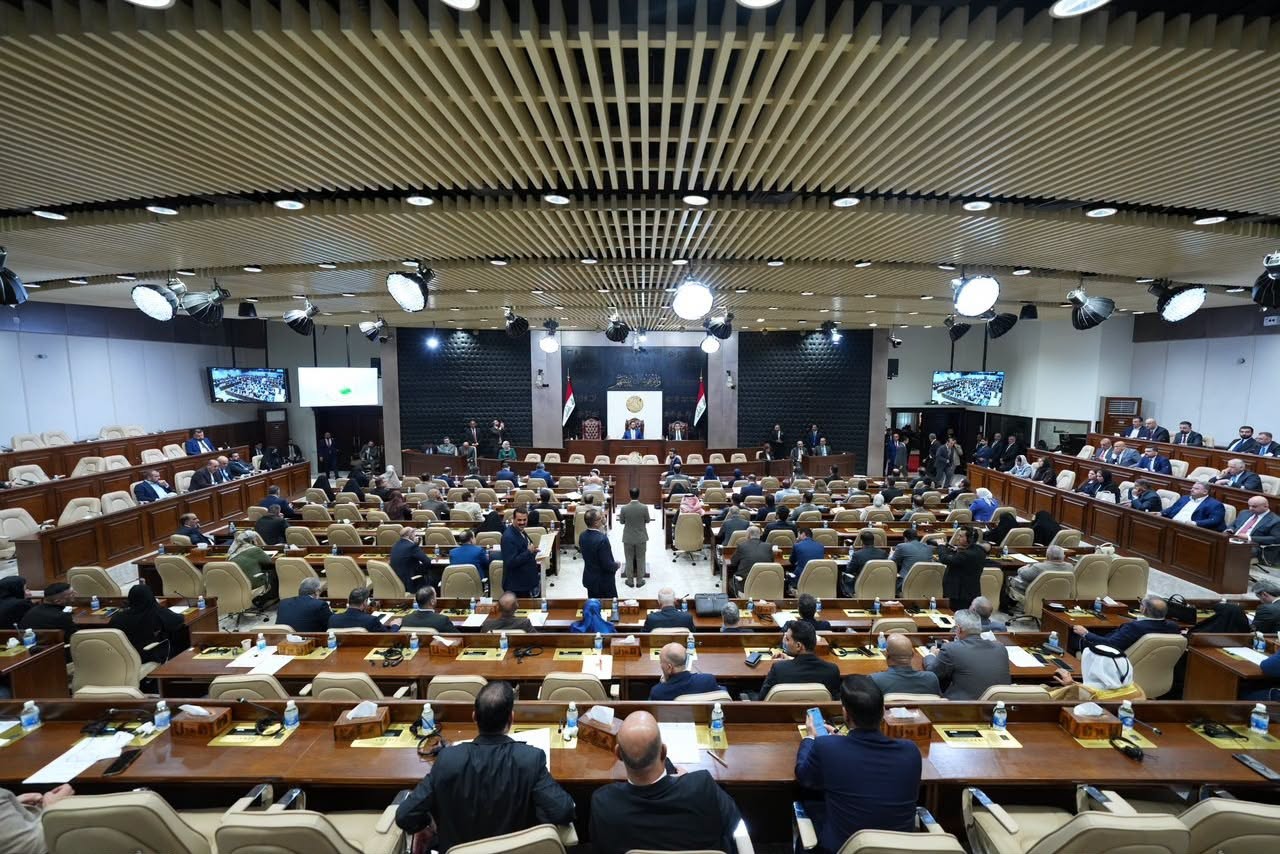
The parliamentary Finance Committee has held discussions with the Central Bank of Iraq over the proposal to remove zeros from the Iraqi dinar and introduce redesigned banknotes. The proposal remains under discussion and has not received final political approval.
According to information obtained by Channel8, the Central Bank has completed preparations for the proposed currency, including the designs and specifications of the new banknotes. The Central Bank said preparations for the currency reform have been underway since 2012.
Final samples of the proposed banknotes have reportedly been prepared, covering all denominations. The plan would involve printing approximately 7.5 billion individual banknotes, with estimated costs of around 250 billion dinars. Germany, France, Australia, and the United Kingdom have reportedly been selected to handle production of the new currency.
The currency reform cannot proceed without a legal framework. The government would need to submit a special draft law to Parliament before the Central Bank could formally implement the currency change. If approved, the replacement process would be carried out gradually rather than through an immediate withdrawal of existing banknotes.
The full process is expected to take between three and seven years. Despite the Central Bank’s preparations, there has been no final decision to implement the currency reform. The project remains dependent on political approval and the passage of the required legislation.
FYI
Iraq has previously considered removing zeros from the dinar as part of efforts to modernize its monetary and banking system. Similar currency redenomination projects in other countries have generally involved exchanging old notes for new denominations while maintaining equivalent real values, meaning that removing zeros by itself does not create additional purchasing power.
The Central Bank’s earlier plans were linked to broader reforms aimed at reducing the amount of cash circulating outside banks and encouraging greater use of formal financial institutions. The success of such a reform would depend not only on replacing banknotes but also on public confidence, banking infrastructure, and monetary stability.
Dive Deeper: Handpicked Stories for You
Follow Channel8 for continuous updates:
Iraqi Dinar Falls Further as Dollar Reaches 154,000
Iraq Finance Committee and CBI Discuss Crisis Resolution Strategies