Shno Wholesale Market Drives Regional Produce Trade
At a Glance
- Shno Wholesale Market, a major fruit and vegetable trading hub
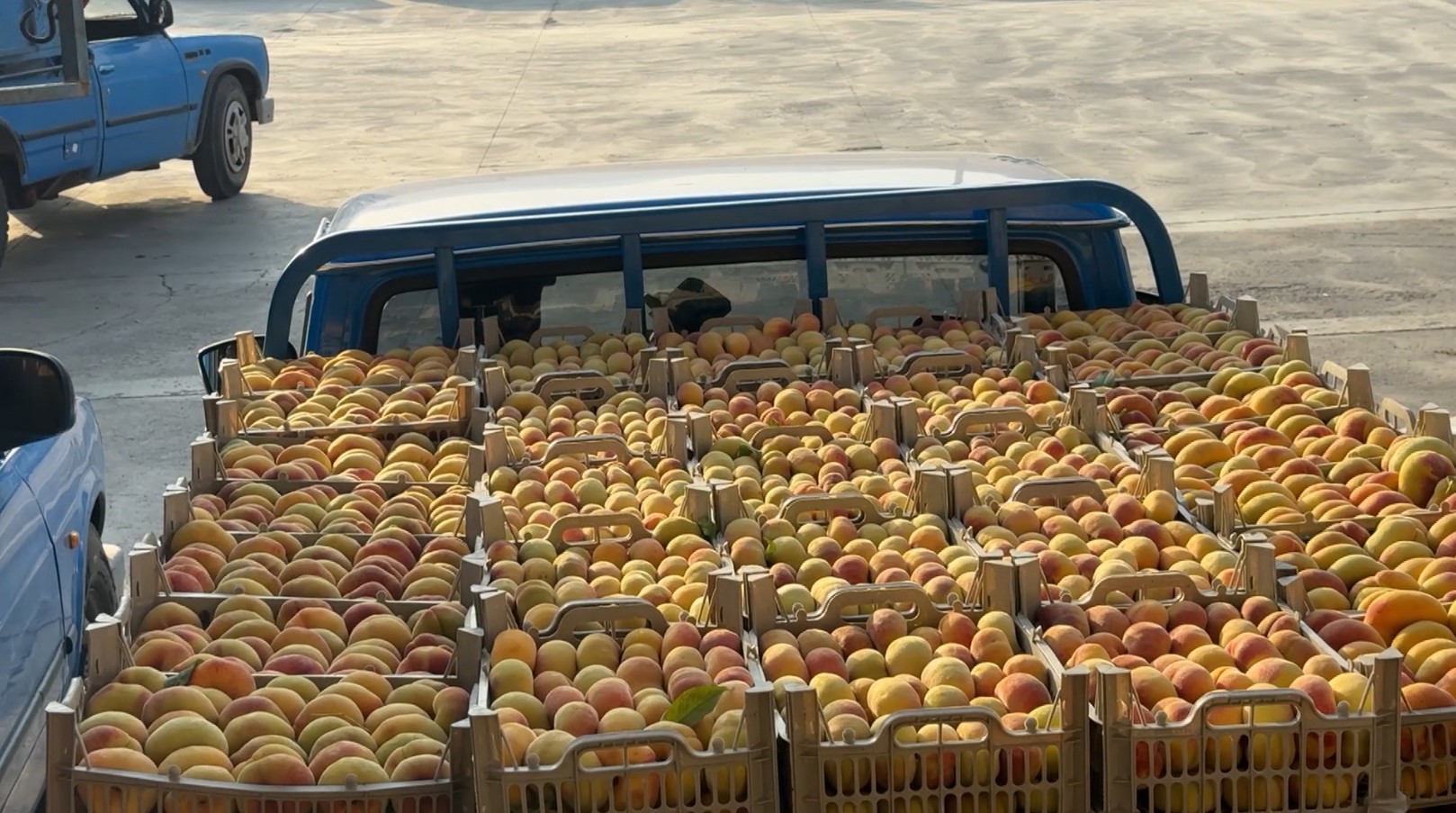
- Hundreds of trucks arrive daily
- Orchards supply domestic and foreign markets
- Produce reaches markets across several regions
The Shno wholesale market has grown into a major center for agricultural trade, connecting local orchards with buyers and markets inside Iran and abroad.
Key Statements and Focus Area
- Agricultural production: The Shno wholesale market has become one of the largest centers for buying and selling fruits and vegetables in Iran and Eastern Kurdistan. Its location, combined with suitable climatic conditions and fertile soil, has helped make the area an important production and distribution hub for agricultural and orchard products.
- Exports: The region’s produce is not limited to domestic markets. A significant portion is exported to Russia, India, Pakistan, Gulf countries, Asia, and Europe.
Hundreds of trucks arrive at the market each day carrying fresh produce, while loading, transportation, and handling activities provide work for dozens of people.
Shno is widely known as the City of Cherries, with hundreds of hectares of orchards producing cherries, apples, and other agricultural products. Shno apples are also known for their quality and are in demand among buyers.
Shno is located in Urmia province, which has more than 51,000 hectares of agricultural land. The province is considered an important fruit-producing area, with its agricultural output supporting both domestic consumption and wider trade.
The combination of orchard production and the wholesale market has helped establish Shno as a key link between producers, traders, and transporters.
Iraqi buyers are among those purchasing produce from the market. Haider Abu Karrar, an Iraqi buyer, said the region offers favorable conditions for trade, including security and the availability of different commodities. He also praised the hospitality of residents and the quality of the agricultural products.
According to Abu Karrar, the mountainous environment contributes to the durability of the produce, allowing it to withstand transportation and refrigeration before reaching Iraq.
The wholesale market remains active throughout the day as trucks transport agricultural products to different destinations. The movement of hundreds of vehicles, together with loading, unloading, packaging, and transportation, generates daily employment for dozens of people. The market has consequently developed beyond a local trading point into a wider agricultural distribution center serving buyers from different markets.
FYI
Fruit production is particularly important to Urmia province, where orchards and agricultural land form a major part of the region’s rural economy. Cherries and apples are among the products associated with the area, while agricultural trade connects producers with wholesalers and exporters beyond the local market.
The movement of fresh produce across long distances depends heavily on cold-chain storage and transportation. Maintaining appropriate temperatures from harvest through transport can help preserve quality and reduce losses before products reach their final markets.
Dive Deeper: Handpicked Stories for You
Follow Channel8 for continuous updates:
First Local Products Festival Opens in Hawraman
Import Tariffs Strengthen Support for Kurdistan Region Farmers
 (1).webp)


.jpg)