WSJ Reports Pentagon Extending Middle East Deployments Into 2027
At a Glance:
- War Secretary Pete Hegseth has drafted plans extending Middle East troop deployments into 2027 to maintain strategic leverage.
- President Donald Trump is privately discussing declaring an end to the war, favoring economic containment to trigger Iranian political or nuclear collapse.
- Military options presented to Trump include seizing Strait of Hormuz islands and striking the deep-underground Pickaxe Mountain (Kūh-e Kolang) nuclear site.
- Army air defense rotations have expanded from 9 to 12 months, creating hardware maintenance backlogs and acute strain on deployed personnel.
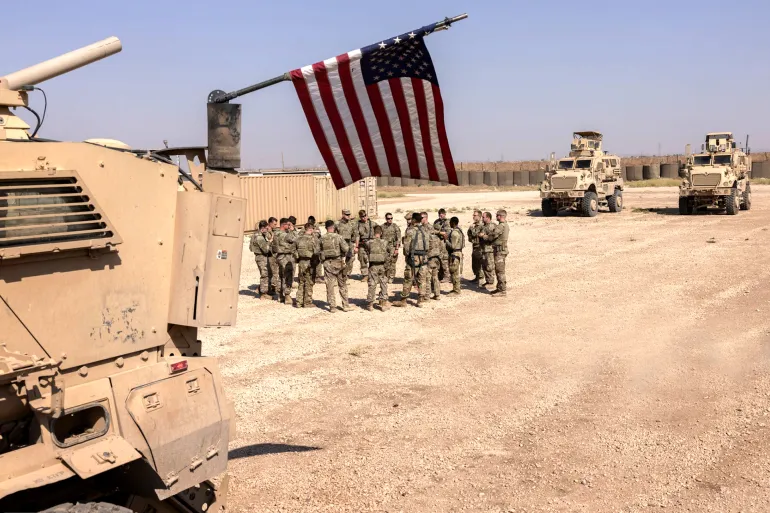
Plans drafted by U.S. War Secretary Pete Hegseth will extend American military force deployments across the Middle East well into 2027, according to a report by The Wall Street Journal. The open-ended posture preserves full kinetic and blockade capabilities for Washington even as President Donald Trump privately deliberates declaring an official end to the Iran war, calculating that sustained economic isolation alone could force Tehran to collapse or dismantle its nuclear program.
Key Statements and Focus Area:
- U.S. Administration Official (via The Wall Street Journal):
"The extended deployments are designed to keep the President’s options entirely open—whether that means escalating kinetic strikes, enforcing the blockade, or transitioning to long-term containment." - Tom Karako, Director of the Missile Defense Project (CSIS):
"Extending rotations from nine to twelve months for high-demand assets like air defense batteries risks severe operational burnout, delays essential depot maintenance, and disrupts broader global force posture."
U.S. Middle East Force Posture & Operational Footprint
| Operational Parameter | Current Force Level / Status | Military Impact & Considerations |
| Total Personnel | ~50,000 Troops | Extended deployments stretched through 2027 |
| Naval Presence | 19 Warships (2 Carriers, 13 Destroyers) | Enforcing maritime blockade & tanker escorts |
| Air Defense Rotations | 12-Month Deployments (Up from 9 months) | Intercepting IRGC drone and missile salvos |
| Targeting Contingencies | Pickaxe Mountain (Kūh-e Kolang) & Hormuz Islands | Deep-penetration strikes & island seizures briefed |
Contingency War Plans and Nuclear Targeting
Despite internal White House conversations surrounding an off-ramp, Pentagon planners have briefed Trump on aggressive options if military escalation resumes.These options include amphibious operations to seize Iranian-held islands guarding the Strait of Hormuz and heavy strikes against Pickaxe Mountain (Kūh-e Kolang), a reinforced granite facility carved over 100 meters underground near Natanz. Maintaining a force footprint of 50,000 service members ensures that any decision to execute these high-intensity plans can be carried out without additional transit delays.
Troop Fatigue and Maintenance Bottlenecks
The decision to extend tours is placing severe operational strain on service branches. Army air defense units, tasked with protecting regional bases and partner states from IRGC drone swarms, are seeing standard 9-month rotations lengthened to 12 months. Furthermore, U.S. Navy destroyers enforcing the Persian Gulf blockade are spending record consecutive months at sea, generating depot maintenance backlogs that defense analysts warn could take years to resolve.
FYI
The contradiction between Trump’s desire to declare an end to active war and Hegseth’s multi-year force extensions highlights a strategy of military-backed coercion. By keeping a lethal force permanently deployed at Iran's doorstep, Washington aims to enforce an economic chokehold while deterring IRGC escalation, accepting heavy operational strain on U.S. military readiness to maintain diplomatic leverage.
Dive Deeper: Handpicked Stories for You
Follow Channel8 for continuous updates:
Ambassador Steven H. Fagin Returns to Baghdad as U.S. Chargé d'Affaires
U.S. Strikes Iranian Command Sites Amid Regional Tensions
Tehran Says U.S. Officials and Media Are Manipulating Global Oil Prices
2 hours ago