Parliamentary Committee Presses Baghdad For Oil Quotas Amid Kurdistan Fuel Crisis
At a Glance
- A parliamentary committee is pushing Baghdad to increase oil allocations to lower gasoline prices.
- Lawmaker Harem Kamal Agha stated they are awaiting ministerial proposals for a radical solution.
- Agha revealed a new meeting will be held next week to review the official proposals.
- The KRG wants higher crude quotas and offers to trade its oil portfolio for subsidized fuel.
A high-level parliamentary committee is pressuring Baghdad to expand oil allocations for local refineries in a bid to drive down soaring market gasoline prices.
Key Statements and Focus Area
- A Kurdish lawmaker in the Iraqi parliament, Harem Kamal Agha, stated that their committee is awaiting proposals from both ministries to find a radical solution to the issue.
- Agha revealed that a new meeting will be held next week to discuss the official proposals.
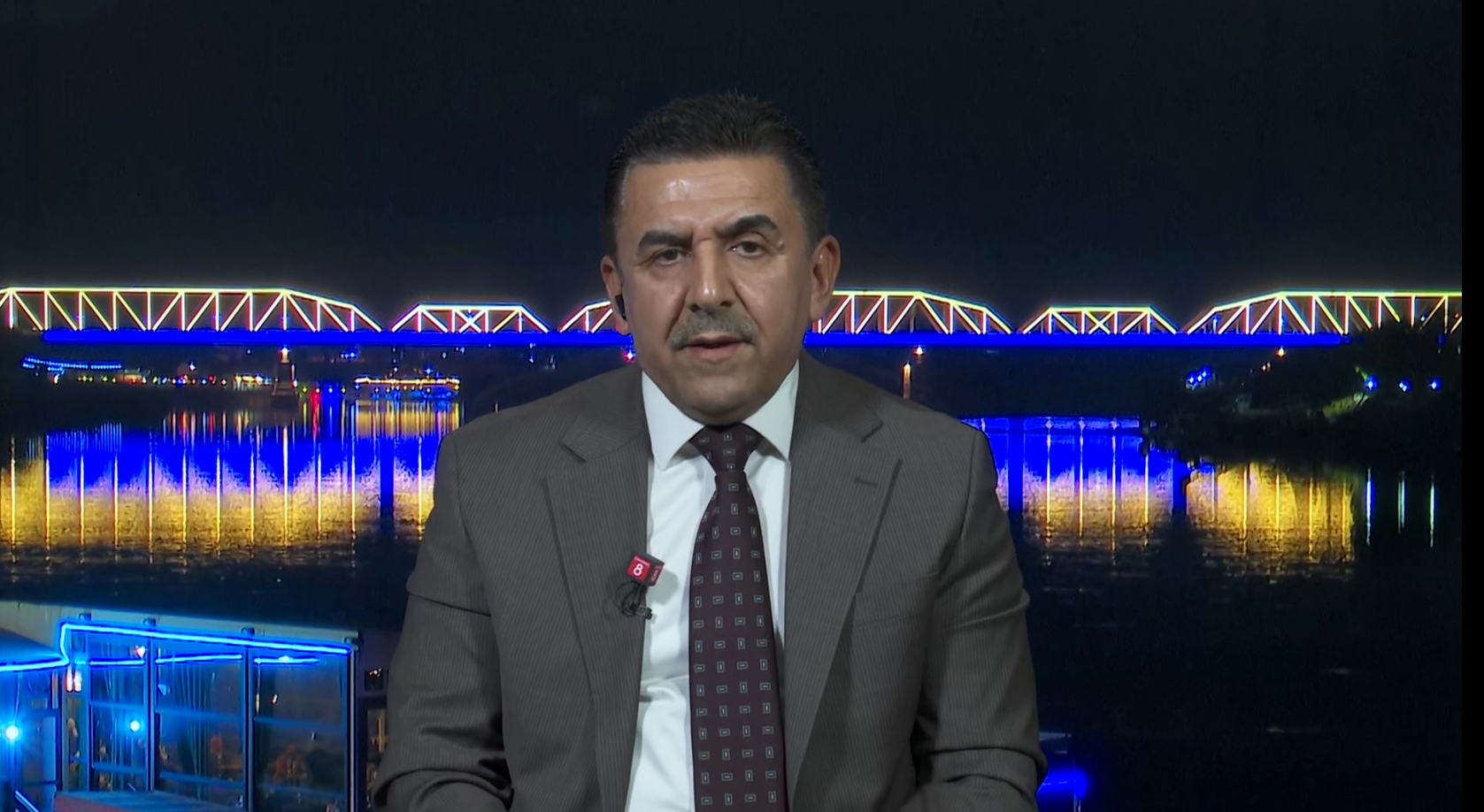
Harem Kamal Agha, head of the Patriotic Union of Kurdistan (PUK) bloc in the Iraqi parliament, told Channel8 that the committee's final report will be forwarded to the Presidency of the Council of Representatives for a legislative ruling.
The lawmaker highlighted that the committee is tasked with finding a mechanism to balance fuel supply and market prices.
Meanwhile, the Kurdistan Region’s Ministry of Natural Resources is emphasizing the need to increase oil allocations for domestic consumption to boost local gasoline production.
Conversely, the Iraqi Ministry of Oil has capped allocations at 50,000 barrels per day and remains reluctant to increase the quota, leaving the fuel crisis across the Kurdistan Region unresolved and preventing market prices from dropping.
FYI
The ongoing fuel crisis in the Kurdistan Region stems from a widening gap between local production and domestic consumption, heavily impacted by geopolitical strains, infrastructure disruptions from drone strikes, and a long-standing supply dispute with Baghdad.
Iraq’s federal fuel system maintains heavily subsidized gasoline prices in central and southern governorates, where citizens can purchase fuel for around 450 IQD per liter. The Kurdistan Region, by contrast, largely relies on a private-market system, exposing consumers to significantly higher commercial fuel prices.
Consecutive price-control decisions by the KRG have failed to curb rising costs, pushing the price of 'Super' grade gasoline to a record high of 2,700 IQD per liter.
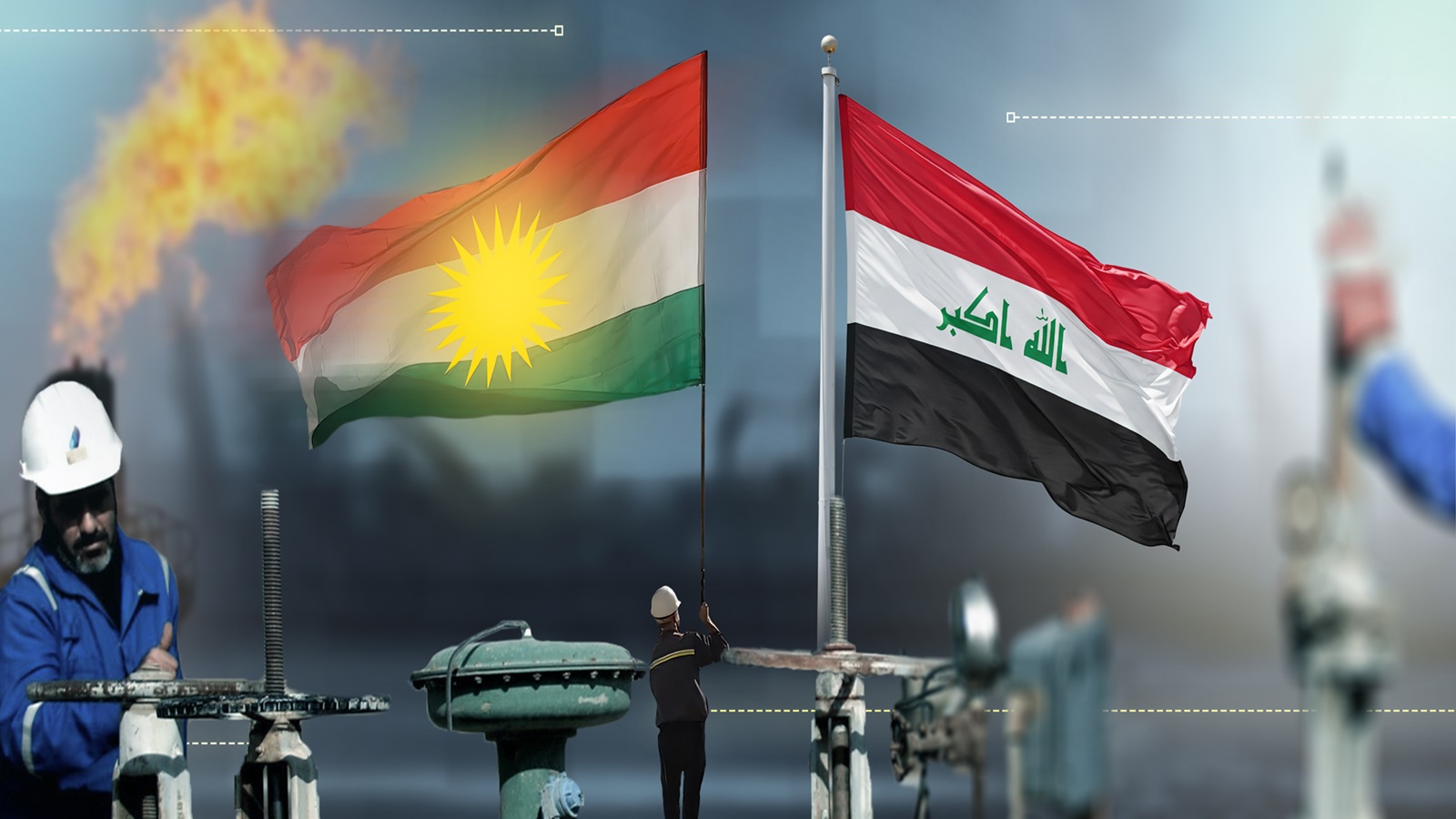
Consequently, attention has turned heavily toward parliamentary negotiations in Baghdad. Lawmakers are currently deliberating whether to increase the Region's crude oil refining allocation or implement an alternative proposal, under which the KRG would hand over its entire oil portfolio to SOMO in exchange for federally subsidized gasoline at the nationwide rate of 450 IQD per liter.
A delegation from the KRG Ministry of Natural Resources, which included the Deputy Minister alongside senior financial, economic, and auditing officials, met on August 27 with the Iraqi parliamentary committee to resolve the Kurdistan Region's fuel crisis.
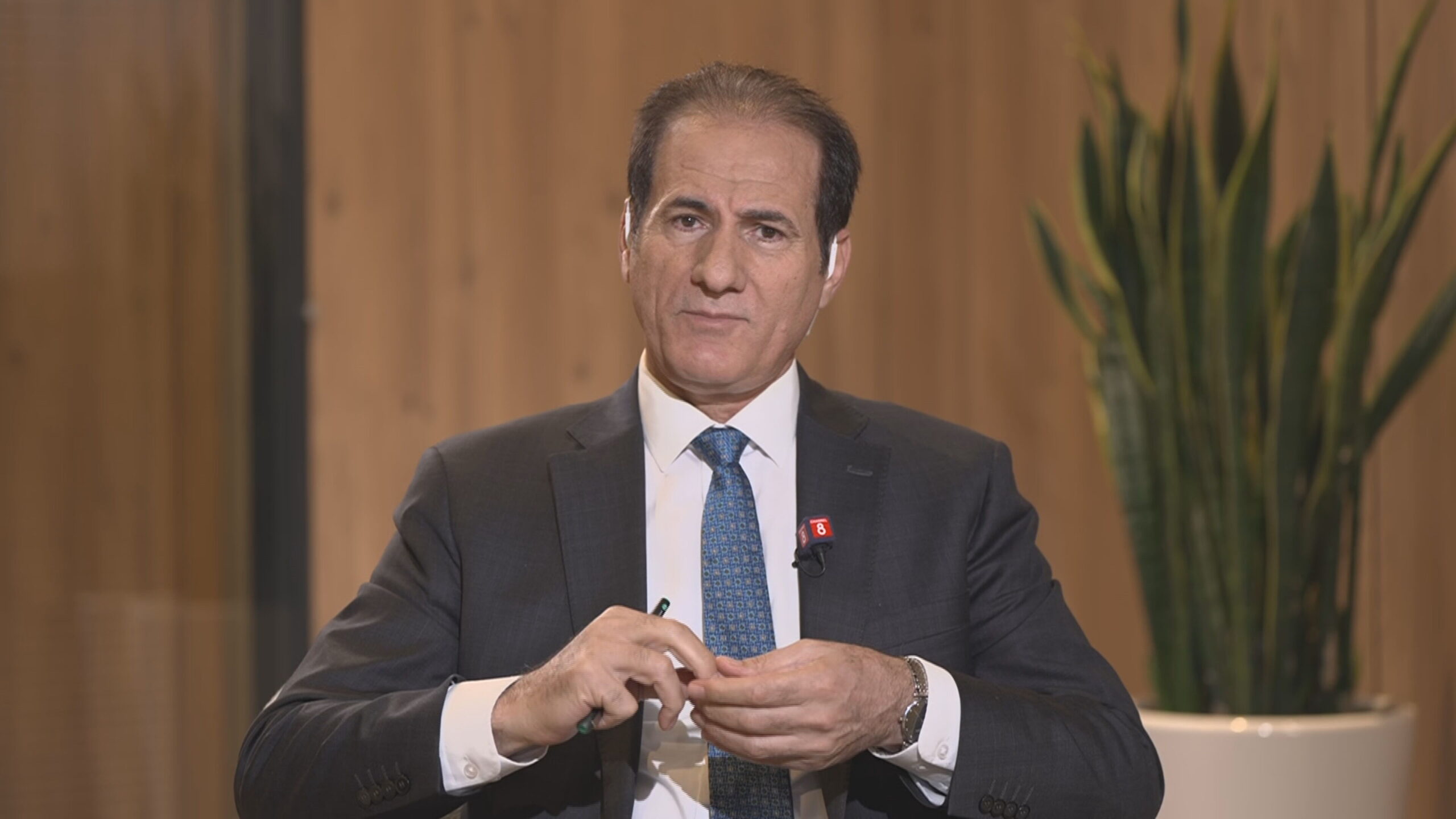
Following the meeting, Ahmed Mufti, Deputy Minister of Natural Resources, stated that the ministry is “ready” to hand over the 50,000 barrels to Baghdad in exchange for the provision of 450 IQD gasoline, adding that they also proposed directly providing crude oil to federal authorities.
Dive Deeper: Handpicked Stories for You
Follow Channel8 for continuous updates:
Deputy Minister: KRG Ready to Offer 50K Oil Barrels to Baghdad
Baghdad Moves to Lower Gasoline Prices in Kurdistan Region
Eyes Turn to Baghdad as Kurdistan Fuel Crisis Deepens
KRG Demands Constitutional Share Of Subsidized Fuel From Baghdad
.jpg)

.webp)