Kurdistan Region Freezes Petrodollar Allocations For Twelve Consecutive Years
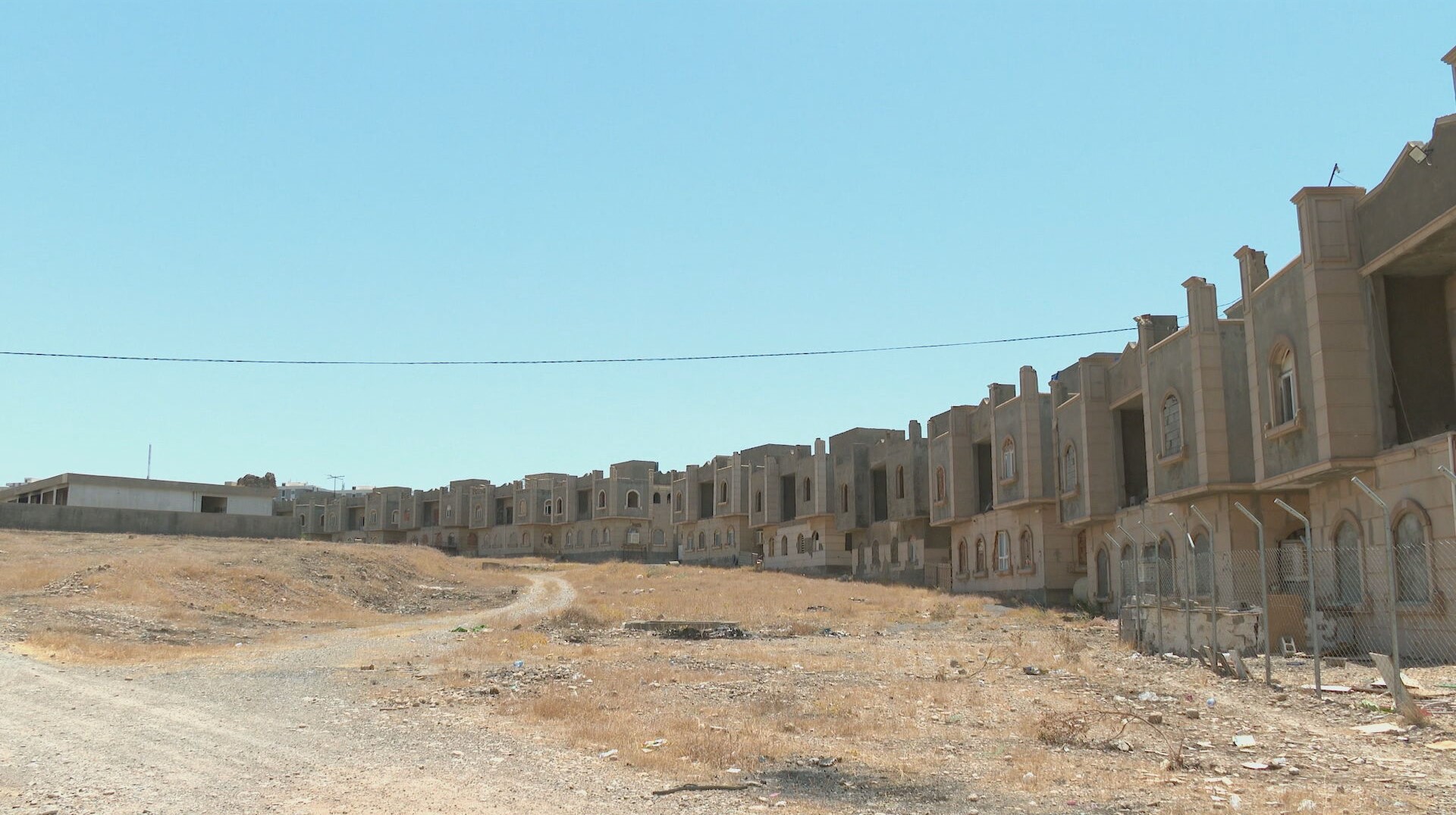
At a Glance:
- The Kurdistan Regional Government (KRG) has suspended $425 million out of $650 million in petrodollar bonus allocations since early 2014.
- Over 95% of the 206 stalled service and infrastructure projects are concentrated in the Slemani, Halabja, Garmian, and Raperin regions.
- At least 174 private contracting companies face acute financial distress, with individual corporate debts climbing up to $3 million.
- Despite official KRG Planning Ministry records transferring project oversight to individual service ministries, actual capital disbursements remain frozen.
The Kurdistan Regional Government (KRG) continues to withhold $425 million in allocated petrodollar infrastructure funds, leaving 206 vital public service projects frozen across the Slemani Governorate and surrounding administrations for 12 consecutive years. According to internal administrative documentation and local contractor associations, over 95% of the impacted development projects are located within Slemani, Halabja, Garmian, and Raparin, pushing nearly 174 private contracting firms to the brink of insolvency.
Key Statements and Focus Area:
- Contractors Association Representative (Slemani Branch):
"Out of the initial $650 million petrodollar allocation designated in 2012, only $225 million was ever disbursed before payments completely ceased in early 2014. For twelve years, 174 companies have absorbed massive financial debt—some exceeding $3 million individually—without receiving a formal explanation or release timeline from the government." - KRG Ministry of Planning Administrative Memorandum (2024–2025 Transfers):
"Execution responsibilities for petrodollar-funded contracts have been transferred to their respective sector-specific service ministries. However, actual capital disbursement remains subject to central ministry liquidity approvals."
Petrodollar Allocation & Disruption Breakdown
| Financial / Operational Indicator | Structural Data | Operational Impact |
| Initial Petrodollar Pool (2012) | $650 Million | Total budget allocated from oil bonus revenues |
| Disbursed Capital (Pre-2014) | $225 Million | Released prior to Q1 2014 funding freeze |
| Frozen Capital (2014–2026) | $425 Million | Total funds withheld by KRG treasury for 12 years |
| Stalled Infrastructure Projects | 206 Projects | Public water, roads, health, and municipal works |
| Affected Regions | >95% Eastern KRG | Concentration in Sulaimani, Halabja, Garmian, Raperin |
| Distressed Contractors | 174 Companies | Firms carrying accumulated debts up to $3M each |
A Decade of Stalled Development and Corporate Debt
The financial impasse dates back to the first quarter of 2014, when systemic budget disputes between Erbil and Baghdad, combined with falling crude oil prices, led the KRG to suspend provincial petrodollar disbursements. While $225 million was released between 2012 and early 2014 to kickstart essential works, the remaining $425 million was abruptly frozen. Over the past 12 years, unfinished roads, water treatment plants, schools, and municipal facilities have suffered physical degradation, inflating the eventual cost of completion.
Administrative Transfers Without Capital Releases
Documentation from the KRG Planning Ministry covering 2024 and 2025 shows that administrative authority for these stalled contracts was formally shifted from local governorate offices to relevant line ministries (such as Municipalities, Housing, and Water Resources). However, contractors report that these paper transfers have not been accompanied by actual cash transfers. Local business groups continue to lobby both Erbil authorities and the federal government in Baghdad to resolve the liquidity backlog and reimburse contractors for completed works.
FYI
The prolonged freezing of petrodollar funds illustrates the long-term structural strain on public infrastructure outside Erbil, highlighting how regional fiscal centralization can paralyze localized development. Resolving the $425 million debt is essential not only to restore public infrastructure across Slemani, Halabja, and surrounding areas, but also to prevent the widespread bankruptcy of local construction firms.
Dive Deeper: Handpicked Stories for You
Follow Channel8 for continuous updates:
Kurdistan Union Demands Unpaid Dues for Frozen Projects
KRG Aims to Increase 2027 Budget Share to 14.1% Based on Census Data
2 hours ago