Rojava Schools Begin Academic Year Amid Displacement Challenges
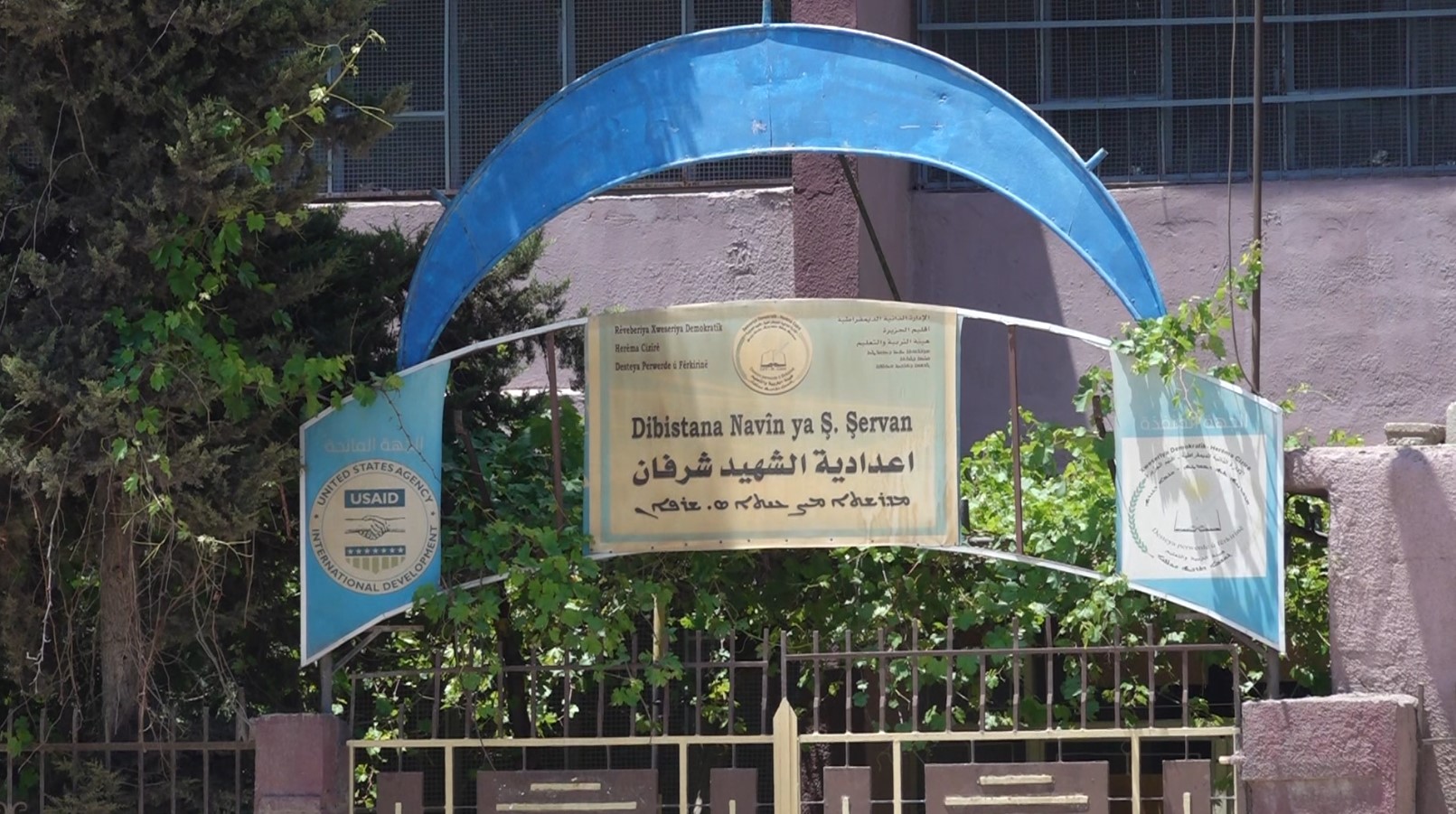
At a Glance
- The 2026–2027 academic year has officially begun across educational centers in Rojava
- In Kobani, 300 schools have opened their doors
- Seventeen schools in Qamishlo remain unavailable
The new academic year has begun across Western Kurdistan (Rojava), with education authorities facing challenges linked to displacement, school capacity, and administrative changes.
Key Statements and Focus Area
- School Preparations: A total of 3,000 teachers have assumed their duties across 300 schools in the Kobani region as the new academic year begins.
- Displacement and Education: Seventeen schools in the Qamishlo area remain outside the educational process because they are being used to accommodate displaced people from Serekaniye and Shahba.
- Administrative Changes: Sixteen schools within Raqqa Governorate have been transferred to the administration of the Kobani Directorate of Education under an agreement with the Damascus government.
The 2026–2027 academic year officially began on September 6 across educational centers in Rojava.
Education authorities in Qamishlo have prepared 225 schools for the academic year. Of these, 185 are located within the city center, while the remainder are in surrounding areas.
Preparations for teachers also included training courses organized by specialized committees. The courses began on July 25 as part of preparations for the new academic term.
According to Channel8’s correspondent, the continued use of these school buildings as shelters has prevented the schools from enrolling students for the new academic year. Authorities have not yet found alternative accommodation for the displaced people occupying the buildings.
This has left education officials balancing preparations for the new term with the need to find alternative housing and restore the affected schools to educational use.
The educational landscape is also affected by ongoing political discussions with Damascus over Kurdish-language education.
Negotiations remain underway regarding the formal integration of Kurdish-language classes into schools in Afrin and the Sheikh Maqsoud neighborhood in Aleppo Governorate.
FYI
The current situation in Rojava is defined by a transition as its long-standing experiment with autonomous self-governance comes to an end. Following military clashes by Syrian government forces earlier this year, a decisive integration agreement was enacted.
This turning point culminated in late August with the official dissolution of the Kurdish-led Autonomous Administration and the complete dismantling of the Syrian Democratic Forces (SDF) as an independent military entity.
While the active frontlines have quieted, the sudden institutional shift has left educational infrastructure heavily disrupted, exemplified by a housing crisis for internally displaced persons (IDPs) that has paralyzed dozens of public schools right at the start of the new academic year.
Dive Deeper: Handpicked Stories for You
Follow Channel8 for continuous updates:
Mazloum Abdi Rejects "Surrender" Claims, Details Integration into Syrian State Structure
Mazloum Abdi Officially Announces SDF Integration Into Syrian Army
3 hours ago