Erbil and Baghdad Remain Deadlocked Over Customs System
At a Glance
- Erbil and Baghdad have yet to reach a final agreement on the ASYCUDA customs system.
- Rebar Ahmed says Baghdad submitted a proposal that differs from previous understandings.
- The Kurdistan Region is seeking a 14.1% budget share and equal distribution of customs revenues.
- More than 390 citizens have been repatriated from Libya, according to the Interior Minister.
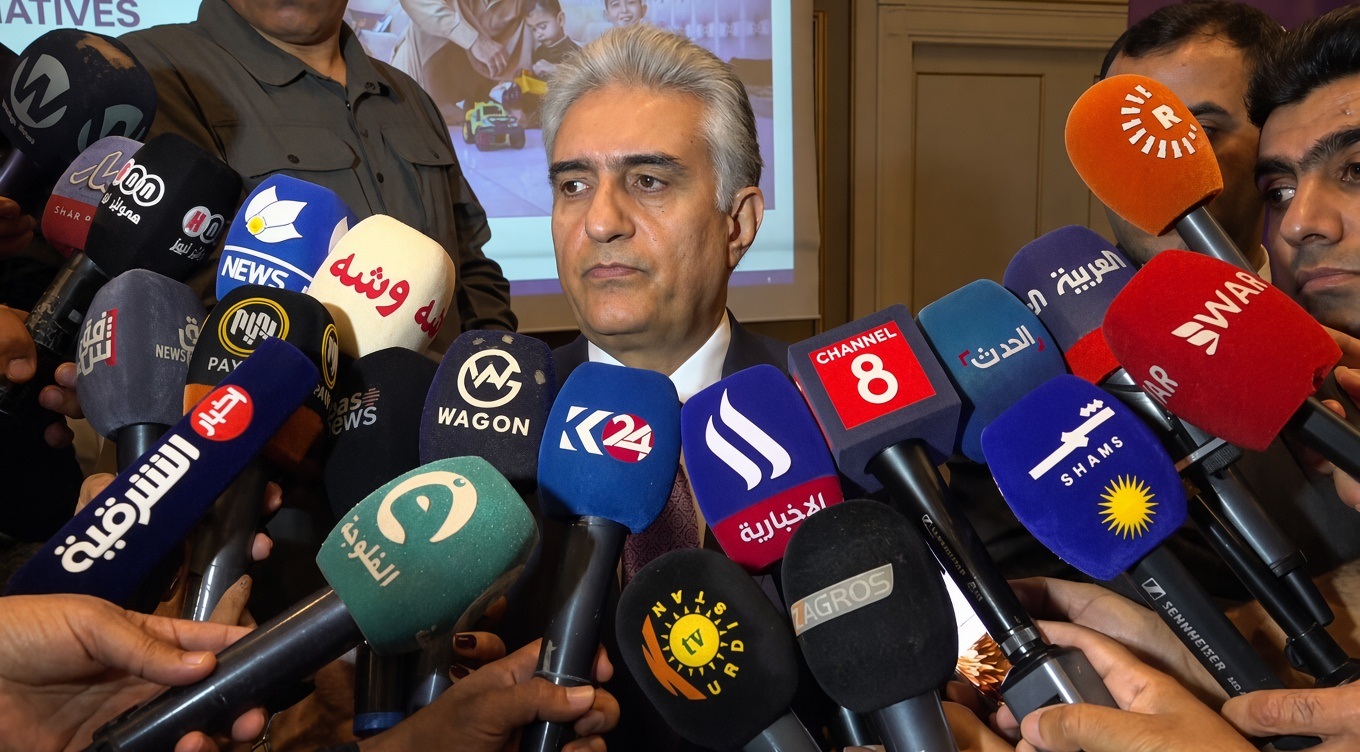
Erbil and Baghdad remain at odds over the unification of the customs system and the Kurdistan Region’s budget share. Kurdistan Region Interior Minister Rebar Ahmed says differences over previous agreements have prevented a final settlement.
Key Statements and Focus Area
- Customs Agreement: “The file on the ASYCUDA tax and customs system remains unresolved, and the delegations of both sides have failed to reach a final agreement.” — Rebar Ahmed, Kurdistan Region Interior Minister.
- Budget Share: “The Kurdistan Region’s rightful share stands at 14.1% according to the general census.” — Rebar Ahmed, Kurdistan Region Interior Minister.
- Customs Revenues: “Border crossing revenues should be split 50% for the federal government and 50% for the Region and the provinces that host the crossings.” — Rebar Ahmed, Kurdistan Region Interior Minister.
Ahmed attributed the dispute to a proposal submitted by Iraqi Finance Minister Faleh al-Sari to the Council of Ministers. According to Ahmed, the proposal differs from previous understandings reached within the constitutional framework.
Ahmed said the Region wants the percentage of the rightful share to be permanently established and for its full budget and promotion allocations to be secured under the budget law.
The Interior Minister also warned young people against traveling to Libya, describing the country as an unsafe destination.
He said approximately 390 citizens have been repatriated from Libya so far, including 33 people brought back in recent days. Ahmed urged families to prevent their children from traveling to the country.
FYI
The dual issues raised by KRG Interior Minister Rebar Ahmed highlight the severe domestic pressures facing the Kurdistan Region regarding economic stability and youth outward migration.
The deadlock over the ASYCUDA customs system and the 14.1% budget share, historically set at 12.67% before recent census data adjustments, stems from a prolonged dispute under the Federal Budget Law over whether non-oil border revenues should be collected centrally by Baghdad or split immediately at regional entry points. Because these persistent funding delays from the federal treasury have restricted public sector employment and frozen civilian rank promotions since 2026, the region has faced localized economic stagnation.
This lack of domestic financial opportunity has driven an influx of young Kurdish migrants to seek illegal human trafficking routes through North Africa. Libya has emerged as a particularly dangerous transit hub, where hundreds of migrants have been detained by local militias in substandard camps, forcing coordinated repatriation flights by Erbil and Baghdad to bring home hundreds of stranded citizens.
Dive Deeper: Handpicked Stories for You
Follow Channel8 for continuous updates:
58 minutes ago