Iraq Finalizes Advance Customs Collection Framework with UNCTAD and Central Bank
At a Glance
- The Iraqi Finance Minister chaired a high-level meeting on Thursday to finalize the executive mechanism for Cabinet Resolution No. 413 of 2026.
- Attendees included the CBI governor, Customs Director-General, and representatives from the United Nations Conference on Trade and Development (UNCTAD).
- Implementing the advance collection of customs duties by integrating the UN-backed ASYCUDA system with approved electronic payment networks.
Iraqi Finance Minister Faleh al-Sari finalized the executive mechanism for the advance collection of customs duties, meeting with the Central Bank Governor and UNCTAD representatives to deploy the UN-backed ASYCUDA customs system and approved electronic payment networks.
Key Statements and Focus Area
- The Ministry of Finance said, “The meeting discussed the technical, financial, and organizational procedures and requirements necessary to implement the resolution, alongside the mechanisms for connectivity and integration among the relevant authorities.”
- The finalized executive mechanism utilizes the ASYCUDA system and electronic payment networks to automate customs procedures, curb financial evasion, and maximize non-oil revenues.
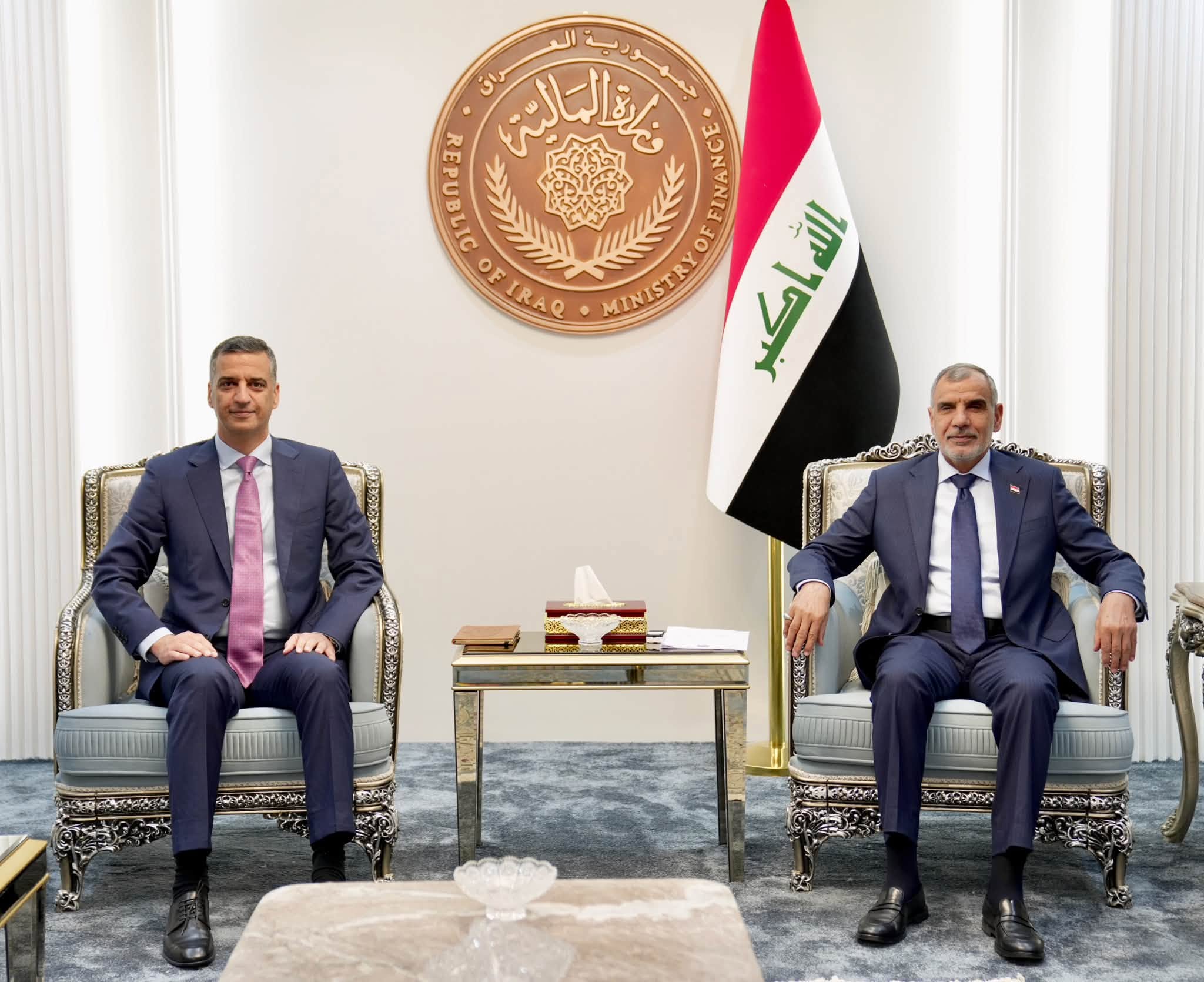
Finance Minister Faleh al-Sari chaired a high-level meeting on Thursday to finalize the executive mechanism for Cabinet Resolution No. 413 of 2026, which mandates the advance collection of customs duties.
The high-level meeting was attended by Central Bank of Iraq Governor Nizar Nasser Hussein, Director-General of the General Commission of Customs Thamer Qasim Dawood, the Director-General of the Investment Department, the Assistant Director-General of the General Authority for Taxes, and a delegation representative from the United Nations Conference on Trade and Development (UNCTAD).
The meeting concluded with "the finalization of the executive mechanism for advance collection," aligning the new customs framework with the UN-backed ASYCUDA system and approved electronic payment networks.
Al-Sari emphasized “the necessity of implementing the mechanism according to clear and organized procedures, in a manner that enhances customs governance, guarantees the accurate collection of state dues, and maximizes non-oil revenues.”
According to the ministry, this development directly reflects the Ministry of Finance's broader mandate to digitize customs workflows, eliminate financial manipulation, and streamline commercial transaction processing.
FYI
The finalization of the executive mechanism for Cabinet Resolution No. 413 of 2026 marks a structural shift in how Iraq manages cross-border trade, financial transparency, and tax collection. The resolution is a major regulatory mandate passed by the Iraqi Council of Ministers that shifts the collection of customs duties from the physical border checkpoints to the initial banking level
This regulatory overhaul transforms Iraq's trade landscape by shifting the collection of customs duties away from physical border crossings to a modernized electronic system.
Under the new system, Iraqi importers will no longer be permitted to release foreign currency transfers from authorized commercial banks to overseas suppliers until they have paid estimated customs duties and tax deposits upfront. The calculated amount is generated digitally from preliminary import documentation, including electronic invoices and shipping data.
Central to this reform is the vertical expansion of the UN-backed ASYCUDA World Platform. Managed in coordination with the United Nations Conference on Trade and Development (UNCTAD), the automated system matches Central Bank electronic financial transfers directly with digital customs declarations, eliminating paper-based invoices completely.
Historically, the discrepancy between the volume of currency exchanged via the Central Bank's daily dollar auction and the actual goods arriving at physical ports allowed for extensive trade misinvoicing and illicit capital flight. Forcing digital pre-payment prevents traders from under-declaring goods or utilizing shell companies to siphon foreign reserves abroad.
This digital push coincides with intensive federal mandates under Prime Minister Ali Faleh al-Zaidi to standardize border operations across all entry points, including those managed by the Kurdistan Regional Government.
This system unifies tariffs nation-wide and implements strict electronic verification checkpoints to eliminate regulatory fragmentation.
The policy is an essential pillar of Iraq's broader economic reform framework. By enforcing watertight collections via electronic payment channels, the Ministry of Finance aims to maximize non-oil revenue collection, cushioning the state treasury against global crude price volatility.
Dive Deeper: Handpicked Stories for You
Follow Channel8 for continuous updates:
Iraqi Finance Minister Partners with World Bank to Accelerate Automation, Economic Reforms
New Map Outlines 26 Border Crossings Across Iraq and Kurdistan Region
KRG Trade Minister: ASYCUDA issues near resolution; farmer funds delayed
17/09/2026