Iraq Sets 2027 Deadline To Address Uncontrolled Weapons
At a Glance
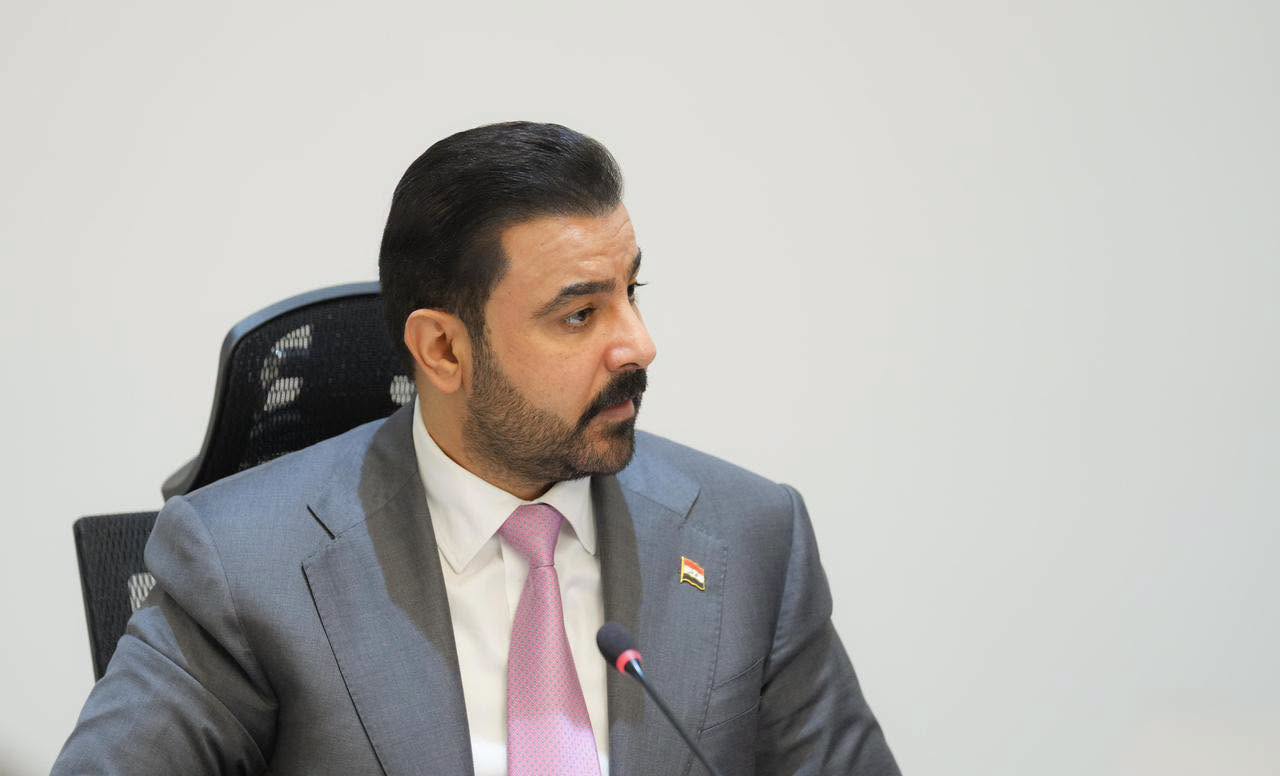
- Prime Minister Ali Faleh al-Zaidi says October 1 marks the start of a new phase on state control of weapons.
- The government has set June 30, 2027 as the deadline for its roadmap.
- Iraq will begin purchasing a complete air defense system and move forward with PMF legislation.
- Al-Zaidi says non-Iraqi armed groups will be fully disarmed under the Constitution.
Iraq’s government has announced a roadmap covering weapons outside state control, airspace security, and the legal status of the Popular Mobilization Forces.
Key Statements and Focus Area
- Weapons Outside State Control: “October 1, 2026, constitutes a serious start to addressing the issue of weapons outside state control.” — Prime Minister Ali Faleh al-Zaidi.
- Air Defense and PMF Law: “The government will begin supporting the security institutions by purchasing a complete air defense system” and legislating the Popular Mobilization Forces Law. — Prime Minister Ali Faleh al-Zaidi.
- Focus Area: The government’s roadmap covers state authority over weapons, border and airspace security, and the legal framework governing the PMF.
Roadmap Through June 2027
Speaking to INA, al-Zaidi said the government’s measures will follow a clear roadmap and agreed timelines that will run no later than June 30, 2027. He linked the process to the constitutional principle that decisions on war and peace rest with Iraq’s constitutional authorities, while military action outside that framework should be prevented.
Foreign Armed Groups
The prime minister said the government will work to fully disarm non-Iraqi armed groups operating on Iraqi territory. He said the measure is intended to protect Iraq’s security and stability and strengthen government control over its borders.
Baghdad also reaffirmed that Iraqi territory and airspace should not be used to launch or facilitate actions threatening neighboring countries. Al-Zaidi said Iraq likewise rejects the use of another state’s territory or airspace to launch attacks against Iraq, citing mutual sovereignty, good-neighborly relations, and non-interference.
Al-Zaidi also said legislation would establish the Popular Mobilization Forces’ status within the security establishment and place it under the command of the Commander-in-Chief of the Armed Forces.
End Of Coalition Mission
Al-Zaidi described October 1 as a major national milestone following the conclusion of the international coalition’s mission and the final withdrawal of its forces by land, air, and sea. He credited Iraq’s Supreme Religious Authority and the 2014 collective defense fatwa with mobilizing Iraqis during the fight against ISIS, alongside Iraq’s armed forces and other forces that participated in the campaign.
The prime minister said Iraq should now direct state capabilities and resources toward sustainable development, public services, civil peace, and stability. He also said the country would pursue regional and international relations based on shared interests and mutual respect.
FYI
The U.S.-led international coalition began its military mission in Iraq in 2014 after ISIS seized large areas of the country. Iraq declared victory over ISIS’s territorial control in December 2017, although the group has continued to pose a security threat through attacks and insurgent activity.
The coalition’s military role in Iraq has since been reduced as Iraqi security forces have taken greater responsibility for counterterrorism operations. The Iraqi government has now linked the conclusion of the coalition mission to a broader discussion of sovereignty, state authority and the future organization of the country’s security institutions.
Dive Deeper: Handpicked Stories for You
Follow Channel8 for continuous updates:
Al-Zaidi Calls For ‘New Era’ As Iraq Marks Coalition Mission End