Iranian Rial Hits New Low Despite $2 Billion Central Bank Intervention
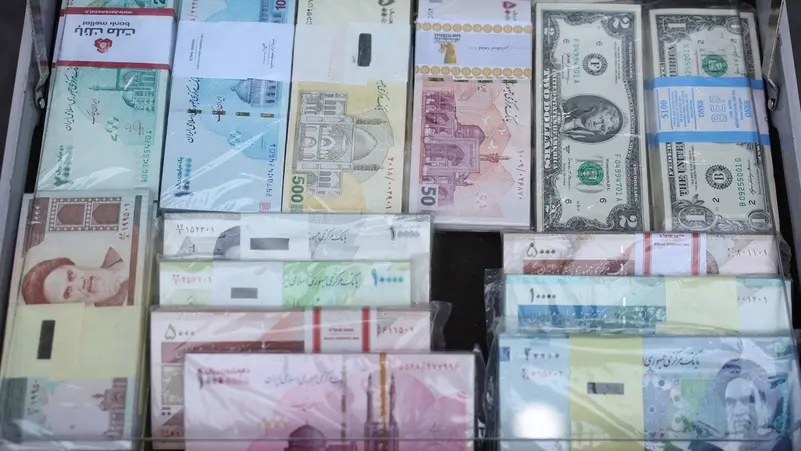
At a Glance
- Iran’s rial fell to around 2.688 million per U.S. dollar on Saturday, down from 2.632 million on Friday in the free market.
- Iran’s central bank said state banks would sell up to $2 billion in foreign currency to support the rial.
- The rial has lost more than half its value against the dollar over the past year, according to Reuters.
- Iran is facing severe economic pressure from sanctions and the continuing conflict, while residents increasingly turn to foreign currencies and gold as stores of value.
Iran’s rial fell to a new low against the U.S. dollar on Saturday despite a central-bank intervention of up to $2 billion aimed at supporting the currency.
The dollar traded at around 2.688 million rials in the free market, compared with 2.632 million on Friday, according to Bonbast data cited by Reuters. Another tracking site, Alanchand, put the rate at 2.695 million rials per dollar.
Key Statements
“The enemy is using this to affect the exchange rate of our currency.”
— Mehdi Darabi, Central Bank of Iran adviser
“The current fall of the rial was temporary.”
— Mehdi Darabi, Central Bank of Iran adviser
Rial Under Pressure
The latest decline comes after the rial had already crossed the 2 million-per-dollar threshold in August, marking a rapid deterioration in its free-market value.
Reuters reported that the currency has lost more than half its value over the past year.
$2 Billion Intervention
Iran’s central bank has authorized state banks to sell up to $2 billion in foreign currency in an effort to stabilize the market. The intervention follows an earlier announcement by Central Bank Governor Abdolnaser Hemmati that the bank was prepared to inject up to $2 billion if necessary.
Iran began the latest foreign-currency sales through selected banks, with the first stage involving up to $1 billion, according to Iranian state-linked reporting.
Pressure On Households
The currency depreciation is increasing pressure on Iranian households, with Reuters reporting inflation above 70% and rising costs for basic necessities and housing.
Many Iranians have sought to protect their savings by purchasing dollars, other hard currencies or gold.
The rial’s latest decline highlights the difficulty facing Iranian authorities as they attempt to stabilize the currency while the economy remains under significant external and domestic pressure.
Central-bank adviser Mehdi Darabi attributed part of the latest fall to what he described as false predictions by U.S. officials about an impending collapse of Iran’s economy. He told Iranian state television that the currency’s current decline was temporary.
The central bank has said it has access to foreign-currency sources, including oil and non-oil export earnings and reserves that are not frozen by sanctions. In September, Hemmati said more than $18 billion had been supplied since the beginning of the Iranian year to finance essential imports.
But the latest free-market exchange rate indicates continued pressure on the rial, despite the authorities’ intervention.
FYI
The rial’s decline reflects the interaction of sanctions, wartime economic disruption, restricted access to foreign currency and high inflation. The central bank’s $2 billion intervention may provide short-term liquidity, but the continuing gap between official policy and the free-market exchange rate illustrates the broader challenge of restoring confidence in the currency while Iran’s access to oil revenues and international financial channels remains constrained.
Dive Deeper: Handpicked Stories for You
Follow Channel8 for continuous updates:
Iraq and Iran Agree to Resume 40 Daily Najaf Flights
Poll Finds 71% Of Americans Disapprove Of Trump’s Handling Of Iran
Russia Urges Iran To Remain In Nuclear Non-Proliferation Treaty
2 hours ago