Iran Reaffirms Conditions For Reopening Strait Of Hormuz
At a Glance
- Iranian Parliament Speaker Mohammad Bagher Ghalibaf says the Strait of Hormuz will not reopen until Tehran’s seven conditions are met.
- Qalibaf says Iran has recently received new U.S. proposals through intermediaries.
- Tehran’s conditions include an end to hostilities, sanctions relief and the release of frozen Iranian assets.
- President Donald Trump has rejected Iran’s earlier proposal for reopening the strategic waterway.
Lead
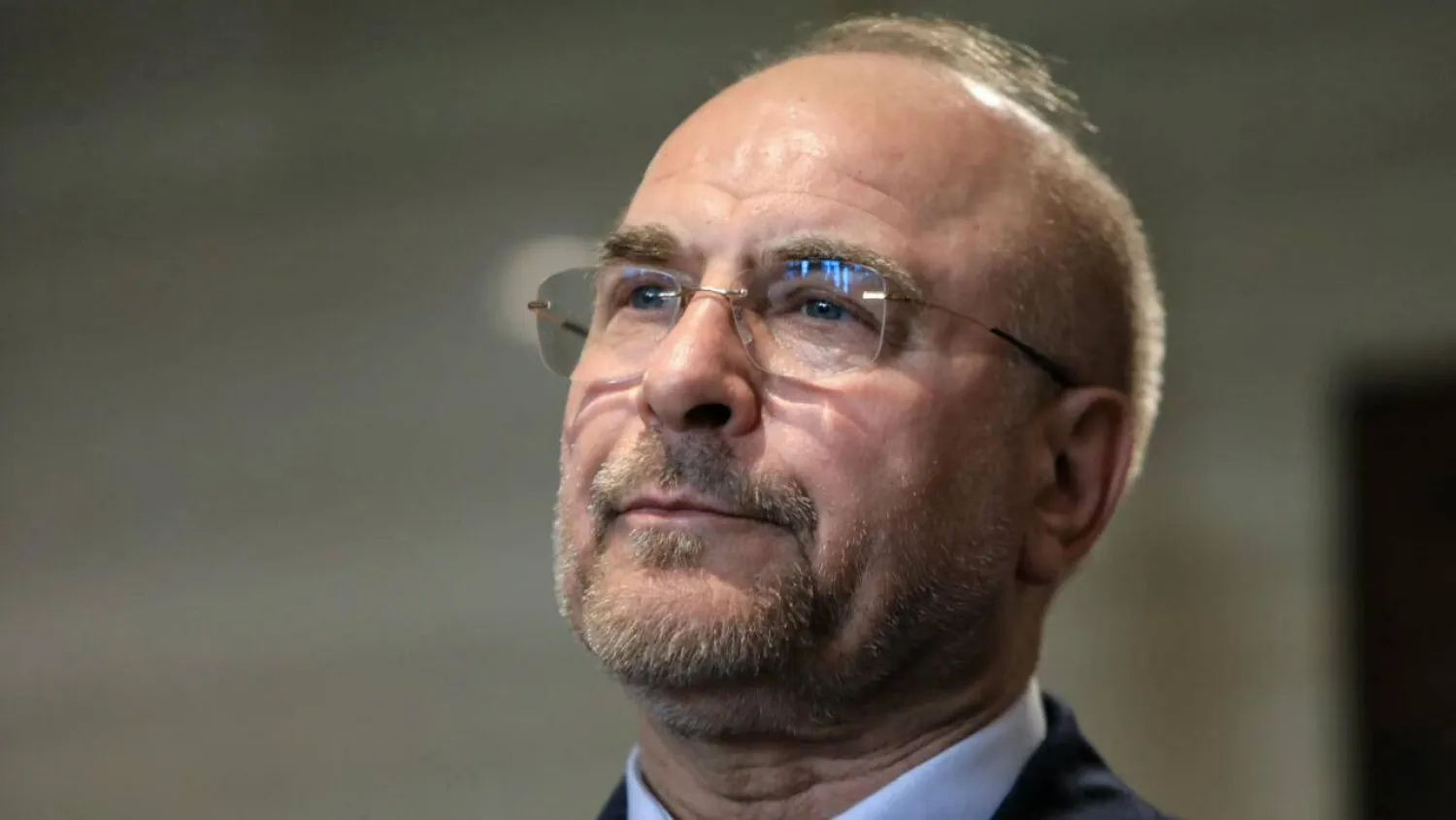
TEHRAN — Iranian Parliament Speaker Mohammad Bagher Ghalibaf has reaffirmed that Tehran will not reopen the Strait of Hormuz unless its seven conditions are met, as indirect contacts between Iran and the United States continue amid escalating tensions.
Ghalibaf also said Washington had recently conveyed new proposals to Tehran through intermediaries, despite what he described as different messages being presented publicly by U.S. officials.
Key Statements
“Our positions are clear, and the Strait of Hormuz will not be reopened unless our seven conditions are met.”
— Mohammad Bagher Ghalibaf, Iranian Parliament Speaker
“The Americans who say something else in the media have recently sent proposals through intermediaries.”
— Mohammad Bagher Ghalibaf, according to Iran’s Nour News
“The era of wasting time and imposing unilateral demands is over.”
— Mohammad Bagher Ghalibaf
Iran’s Conditions
Ghalibaf said Tehran’s position on Hormuz remains unchanged, linking any reopening of the waterway to the fulfillment of seven conditions outlined in a memorandum of understanding reached in June.
Iran has previously tied the reopening of Hormuz to broader diplomatic and economic measures, including an end to hostilities, the release of frozen Iranian assets, the lifting of sanctions on Iranian oil and an end to the U.S. naval blockade of Iranian ports.
Reported U.S. Proposals
Ghalibaf also indicated that Washington has recently sent new proposals to Tehran through mediators.
The comments, reported by Iran’s Nour News, come as Iran and the United States continue indirect contacts. They contrast with public statements from Washington, where President Donald Trump has rejected Tehran’s earlier proposal for reopening the Strait.
The Hormuz Plan
Tehran previously presented a seven-day proposal aimed at ending hostilities and reopening the strategically important waterway.
The proposal, discussed by Iranian Foreign Minister Abbas Araghchi with U.S. envoy Steve Witkoff through Qatari mediation on the sidelines of the UN General Assembly in New York, included a seven-day cessation of hostilities across multiple fronts, including Lebanon.
Iran also sought the release of frozen assets, an end to sanctions on its oil exports and the lifting of the U.S. naval blockade of Iranian ports as conditions for reopening the Strait.
Trump subsequently rejected the proposal in a post on Truth Social.
FYI
The Strait of Hormuz remains a central point of leverage in the confrontation between Tehran and Washington because of its importance to global energy markets. Before the conflict, roughly one-fifth of the world’s oil and LNG supplies passed through the waterway.
Ghalibaf’s latest remarks indicate that Tehran continues to link the Strait’s reopening to broader political and economic concessions rather than treating maritime access as a separate issue. His claim that Washington has submitted new proposals through intermediaries, however, has not been publicly detailed, leaving the substance and status of any new U.S. initiative unclear.
The reported contacts also highlight the gap between indirect diplomatic engagement and public rhetoric. While Tehran says it remains open to a negotiated solution under its conditions, Washington has continued to reject proposals it considers insufficient and has maintained pressure on Iran.
1 hour ago