Egypt Hosts Four-Way Summit On Horn Of Africa, Nile And Red Sea
At a Glance
- Egyptian President Abdel Fattah El-Sisi hosted the leaders of Sudan, Eritrea and Somalia in New Alamein.
- The summit addressed security developments in the Horn of Africa and Red Sea, as well as Nile water issues.
- The leaders rejected unilateral measures affecting existing water uses of Egypt and Sudan, and stressed prior notification, consultation and consensus over transboundary rivers.
- A joint declaration also reaffirmed Somalia’s territorial integrity, support for Sudan’s national institutions, and freedom of navigation in the Red Sea.
Egyptian President Abdel Fattah El-Sisi hosted a four-way consultative summit with the leaders of Sudan, Eritrea and Somalia to discuss regional security, Nile waters, Red Sea navigation and wider political and economic cooperation.
The summit brought together Eritrean President Isaias Afwerki, Somali President Hassan Sheikh Mohamud and Sudanese Transitional Sovereignty Council Chairman Abdel Fattah Al-Burhan.
Key Statements
“Respect for the sovereignty, unity, and territorial integrity of states.”
— Joint Alamein Declaration
“The freedom of navigation” must be maintained, with Red Sea governance the responsibility of littoral states.
— Joint Alamein Declaration
The leaders rejected “any unilateral measures” that could harm the existing water uses of Egypt and Sudan.
— Joint Alamein Declaration
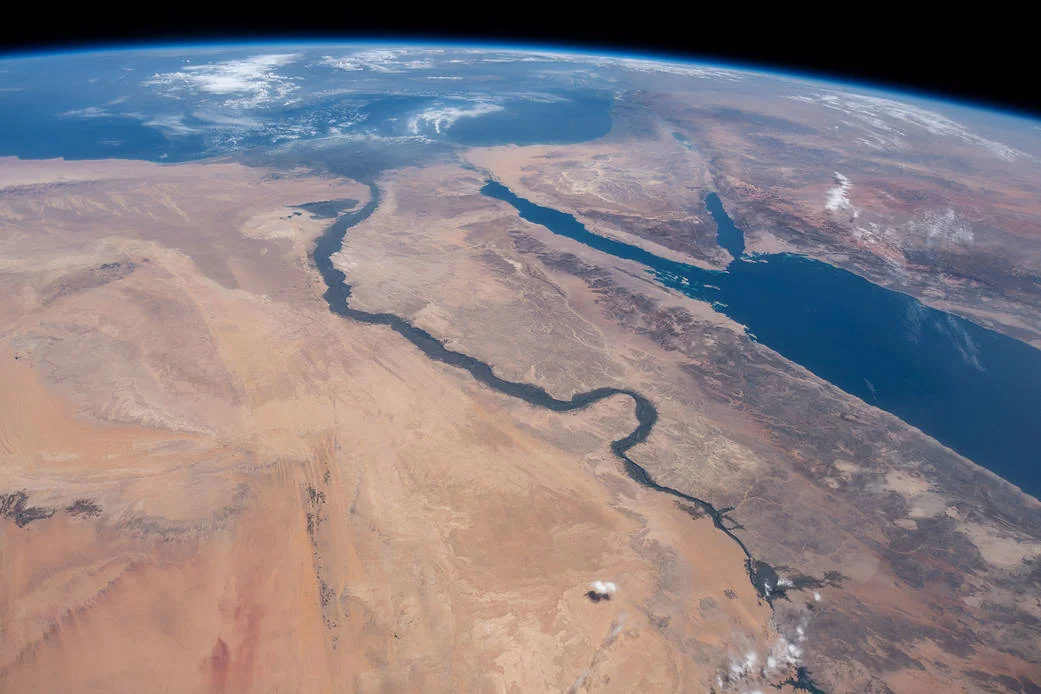
Nile Waters
Nile water security was a central issue at the summit. The four countries stressed the importance of international law governing transboundary rivers, particularly the principle of avoiding harm to downstream states.
They also called for cooperation through prior notification, consultation and consensus, while rejecting unilateral measures that could affect existing water uses in Egypt and Sudan. The position comes against the backdrop of Egypt and Sudan’s longstanding dispute with Ethiopia over management of the Nile and the Grand Ethiopian Renaissance Dam.
Red Sea Security
The leaders also focused on the strategic Red Sea corridor, emphasizing freedom and safety of international navigation in the Red Sea, Gulf of Aden and Bab al-Mandab Strait.
The joint declaration went further, stating that governance of the Red Sea is the exclusive responsibility of its littoral states.
Sudan
The four countries reaffirmed support for Sudan’s unity, sovereignty, territorial integrity and national institutions.
They also rejected the creation of parallel entities and called for the resumption of a Sudanese-owned and Sudanese-led political process. The declaration also rejected support for mercenaries.
Somalia
The declaration reaffirmed Somalia’s territorial integrity and rejected interference or measures aimed at undermining its sovereignty.
The leaders also rejected recognition or support for what the declaration refers to as “Somaliland” and called for sustained international support for the African Union Support and Stabilization Mission in Somalia, or AUSSOM.
Regional Significance
The summit brings together four countries positioned around some of the region’s most strategically important waterways and security corridors.
For Egypt and Sudan, Nile water security remains a major national issue. For Eritrea and Somalia, developments in the Red Sea and Gulf of Aden have direct implications for maritime security, sovereignty and regional connectivity.
The meeting also reflects an effort by the four governments to increase political coordination on regional crises while emphasizing state sovereignty, non-interference and national institutions. The leaders agreed to establish a mechanism to follow up on the summit’s outcomes and to hold consultations periodically or when needed.
Economic Cooperation
Beyond security and political issues, the leaders discussed expanding political, trade and economic cooperation, including infrastructure, energy, trade and regional connectivity.
The joint declaration framed greater economic integration and connectivity as part of efforts to promote sustainable development and regional stability.
FYI
The Alamein summit places Nile water security, Red Sea navigation and Horn of Africa stability within a single regional framework. Its significance lies not only in the positions expressed by the four governments, but also in their decision to establish a mechanism for continued coordination.
The declaration does not resolve the underlying disputes surrounding the Nile or regional security, but it establishes a common diplomatic position emphasizing international law, consultation, sovereignty and peaceful dispute resolution. The extent to which the new coordination mechanism produces concrete diplomatic or security outcomes will depend on follow-up between the four governments.
Dive Deeper: Handpicked Stories for You
Follow Channel8 for continuous updates:
Egyptian Think Tanks Praise Channel8 as Exemplary Regional Model
Former Egyptian Ambassador Praises Jalal Talabani’s Regional Political Legacy
Egyptian Intelligence Chief Delivers Presidential Invitation to Iraqi Prime Minister
1 hour ago