Kurdistan Delegation Postpones Baghdad Talks Amid Fiscal Disputes
At a glance
- The KRG delegation postponed its trip to Baghdad.
- Finalized delegation visit postponed over paperwork
- The KRG is pushing for a 14.14% budget allocation based on recent census data.
- Erbil is requesting a total allocation of 29 trillion Iraqi Dinars.
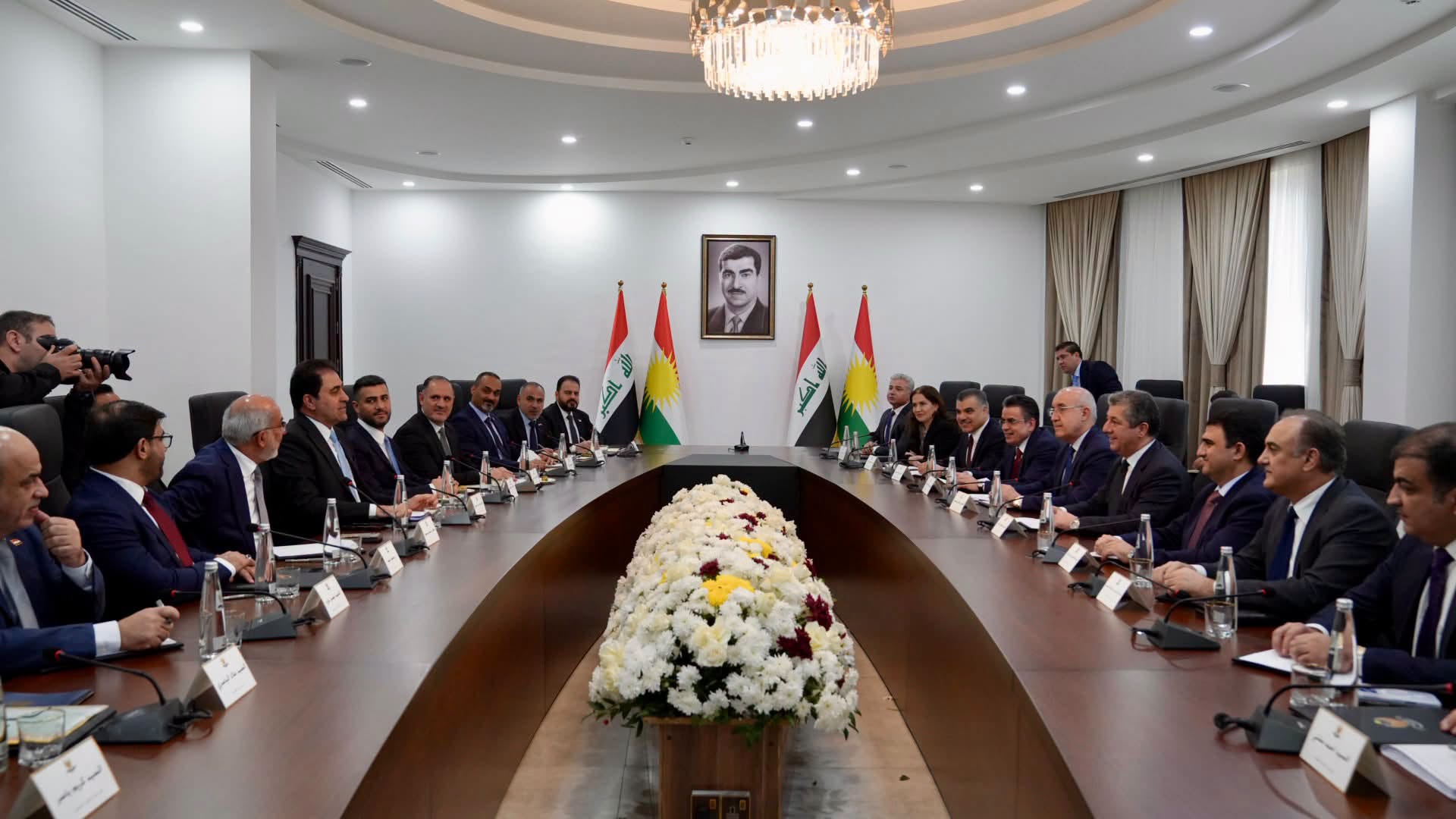
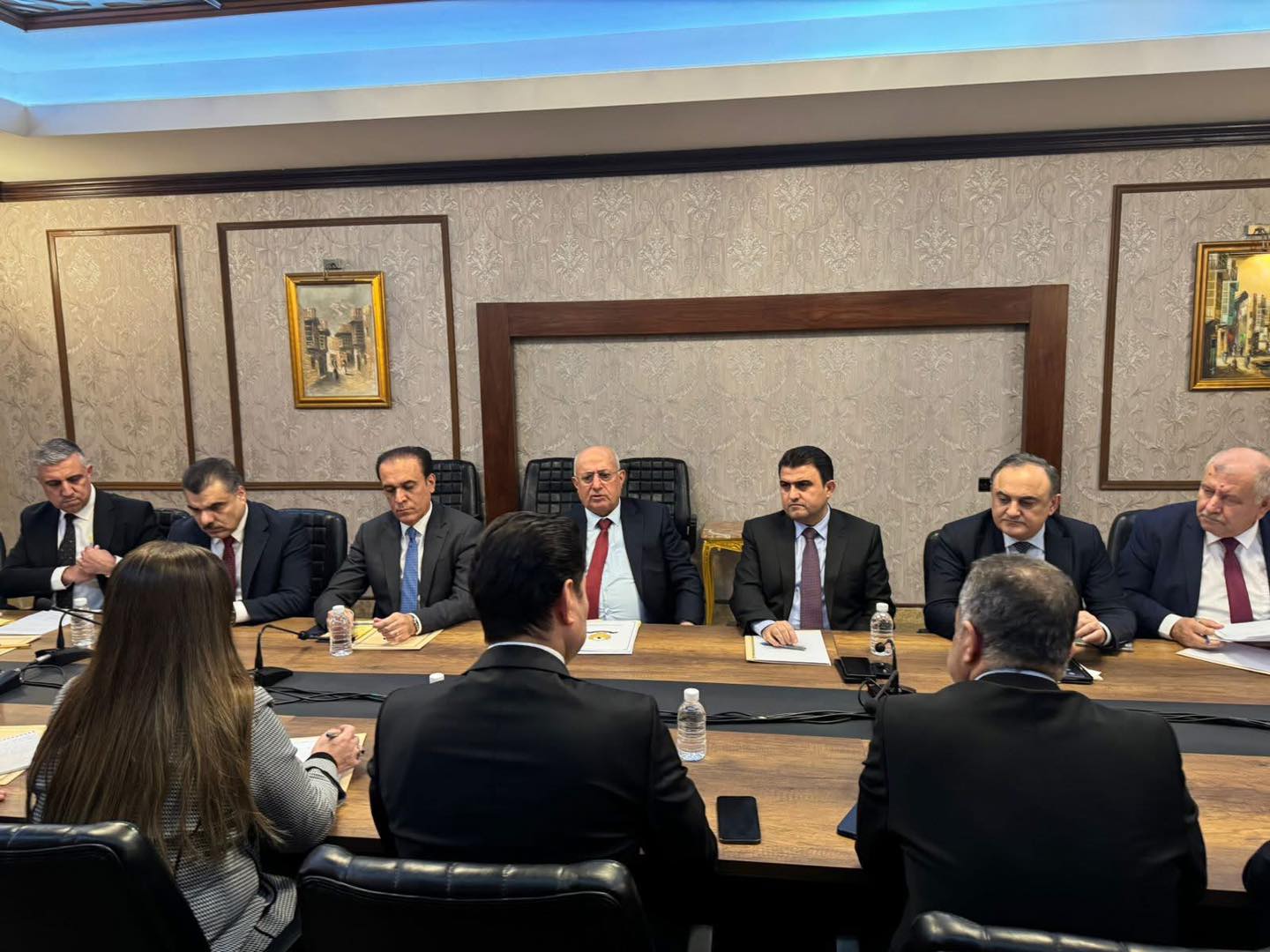
A high-level Kurdistan Region delegation has postponed its scheduled Monday visit to Baghdad until Wednesday to negotiate the Region's share of the 2027 Iraqi general budget.
Key Statements and Focus Areas
- Channel8 has learned that despite all arrangements being finalized for the delegation's departure, the high-level visit was abruptly postponed pending the completion of several required official documents.
- The KRG negotiating team is led by senior executive leaders including Dr. Omed Sabah, Amanj Raheem, Kamal Mohamed, and Abdulhakim Khosro. They are joined by Planning Ministry leadership alongside an array of technical advisors and directors general.
- Erbil demands a 14.14% share, protected salaries, and more oil retention, while Baghdad counters with strict production mandates.
The Kurdistan Region’s share in the general budget faces immense challenges amid a perceived complacency from senior officials of the caretaker government, who delayed an urgent trip to Baghdad despite federal requests to meet at the beginning of the week.
This budget allocation directly impacts the livelihood and well-being of more than six million residents in the Region.
KRG officials emphasize that the region's share in Iraq's budget law faces multi-layered hurdles that cannot be solved by technical committee visits alone.
To secure the Region's financial rights and entitlements, it is imperative that the Prime Minister and his deputy travel to Baghdad and remain there for several days to forge a firm agreement, as this budget issue is twice as intense politically as it is technically.
Population Ratios & Sovereign Deductions
The first major challenge involves the population ratio, as Iraq's draft 2027 budget sets the Kurdistan Region's share at 12.70%, while the latest population census indicates the actual proportion is 14.14%. Consequently, the primary demand of the high-level Kurdistan Regional Government delegation is to increase and lock in the allocation at 14.14%.
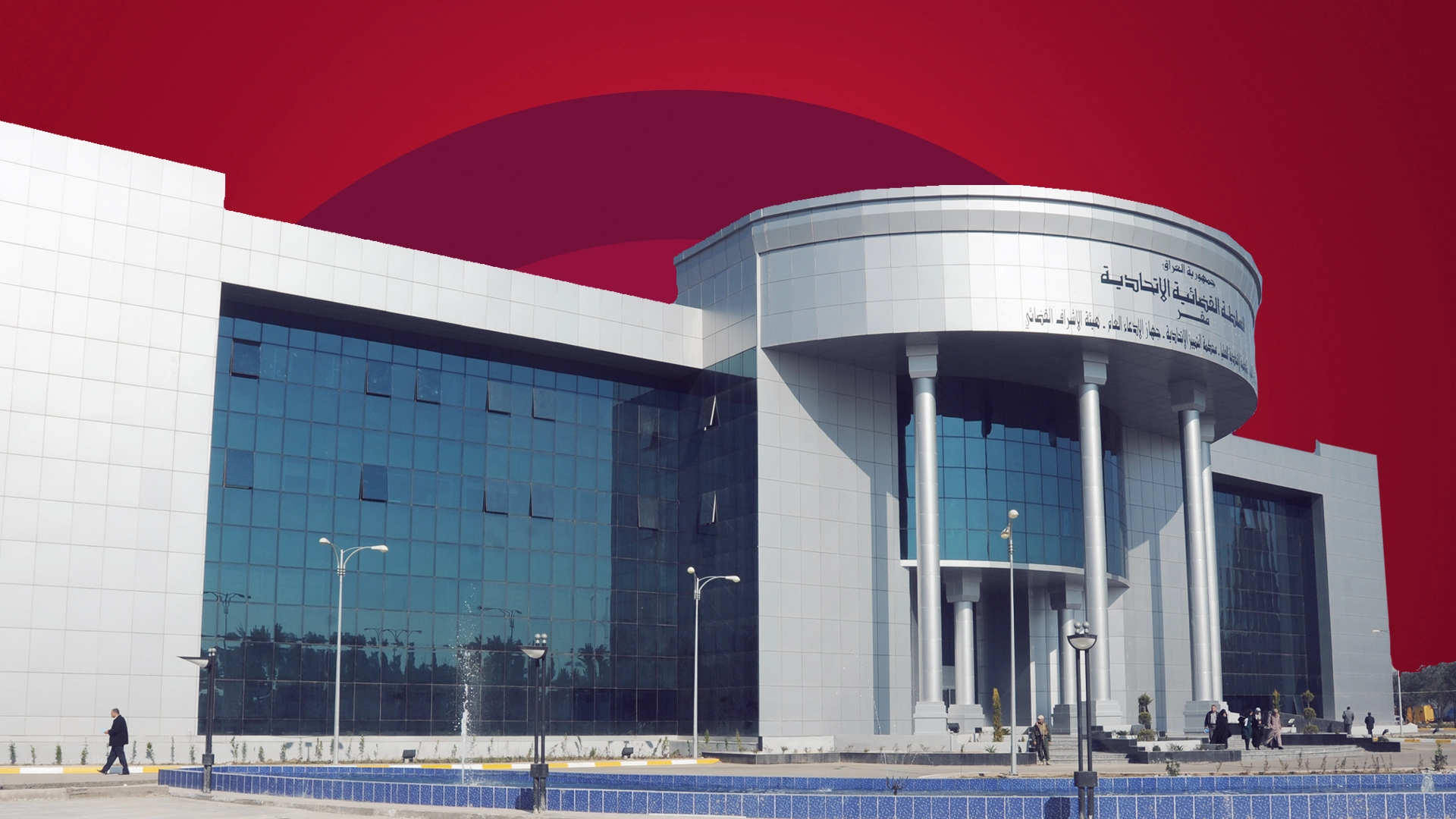
Furthermore, the KRG is demanding a 14.14% share from the sovereign budget to cover expenditures for security, defense, the three presidencies, the Ministry of Foreign Affairs, overseas diplomatic missions, foreign debts, and the Federal Supreme Court.
However, Baghdad refuses to grant this share under the pretext that Kurds are already represented within the three presidencies and the judiciary.
The Actual Expenditures Clause
The second challenge, which poses a serious risk of reducing the Region's funding, is the "actual expenditures" (Infaq al-Fi'li) clause. Although the technical financial delegation requested the removal of this clause during drafting meetings at the Iraqi Ministry of Finance, federal authorities retained it anyway.
The government’s high-level delegation aims to remove this provision, which has been consistently embedded in the federal budget since 2015 and mandates that the Region's share be paid out of actual, realized state spending rather than the total projected general budget. Kurdistan views this clause as a grave injustice for the 2027 budget and insists that its share must be derived from the overall general budget rather than actual expenditures.
Salary Safeguards & Budget Integration
As an additional challenge, the Kurdish side requests that monthly public sector salaries be integrated into the governing budget (Budget al-Hakimah), which encompasses expenditures for purchasing medicines, farmers' wheat payments, electricity procurement, power station fuel, censuses, and elections. This integration aims to prevent any disruption or freezing of salary transfers should a political dispute arise between both governments.
The Strategic Oil Disputes
Another point of contention between the two governments is Kurdistan's oil file, where both sides currently remain committed to a tripartite agreement between the governments and oil companies. Under this agreement, the Region hands over its entire oil production to SOMO after retaining 50,000 barrels per day, but Erbil is now demanding a new agreement that increases this local consumption allowance to at least 90,000 barrels per day.
In return, Baghdad demands that the Region’s oil production be raised to 400,000 barrels per day, though KRG officials have stated they can only realistically reach 300,000 barrels.
Furthermore, Baghdad intends to introduce a penalty clause stating that if the KRG fails to deliver the specified monthly volume of oil, a corresponding deduction will be made from the region's budget allocation. Additionally, Iraq wants to transfer the financial entitlements of the oil extraction companies operating in the Kurdistan Region over to the KRG’s own investment budget.
Employment & The Promotion Standoff
The issues of public sector salaries, new employment allocations, job promotions, and the transition of contract workers into permanent employees form another core axis of the bilateral talks.
The KRG demands that its share of public sector employment allocations and contract permanent-placements be proportionate to its population, and Baghdad has promised to include the Kurdistan Region if financial allocations for new employment become available.
Regarding the dispute over job promotions, Baghdad maintains that the KRG is solely responsible for freezing the promotions of its public employees. Nevertheless, federal authorities have pledged that promotions will resume if funding is available, though it is highly likely that only one grade promotion will be applied even though employees have missed out on three consecutive grade promotions.
Total Financial Allocation Summary
In total, the Kurdistan Region has requested 29 trillion Iraqi Dinars (IQD) as its overall share in the budget, which is broken down into 23.5 trillion IQD for salaries, pensions, and government operational expenses, alongside 5 trillion IQD for investment.
FYI
Iraqi Federal Budget Law has successfully passed the Ministerial Council for the Economy and is currently undergoing final reviews within the Iraqi Council of Ministers.
The draft targets a spending package of approximately 200 trillion Iraqi Dinars ($152.6 billion) with a projected deficit of up to 70 trillion dinars.
To finalize the bill before the October 15 parliamentary deadline, Iraq's Parliament is summoning the Finance Minister for an emergency briefing this week while high-level KRG delegations continue intense negotiations in Baghdad over Erbil's disputed revenue share.
Dive Deeper: Handpicked Stories for You
Follow Channel8 for continuous updates:
KRG Officials visits in Baghdad for Critical Discussions on 2027 Budget
MP Dilan Ghafoor: KRG Demands Not Yet Been Secured in Draft Budget
Iraq Forwards 2027 Budget Draft To Ministerial Council For Economy

.webp)