CBI Defends Dinar Devaluation Amid Oil Revenue Slump
At a Glance
- The CBI Media Director defended the dinar devaluation as an extraordinary precautionary measure.
- Haider Ghazi announced the rate adjustment secures state budget funding to prevent financial collapse.
- Ghazi attributed the widening parallel market gap entirely to unregulated commercial trading.
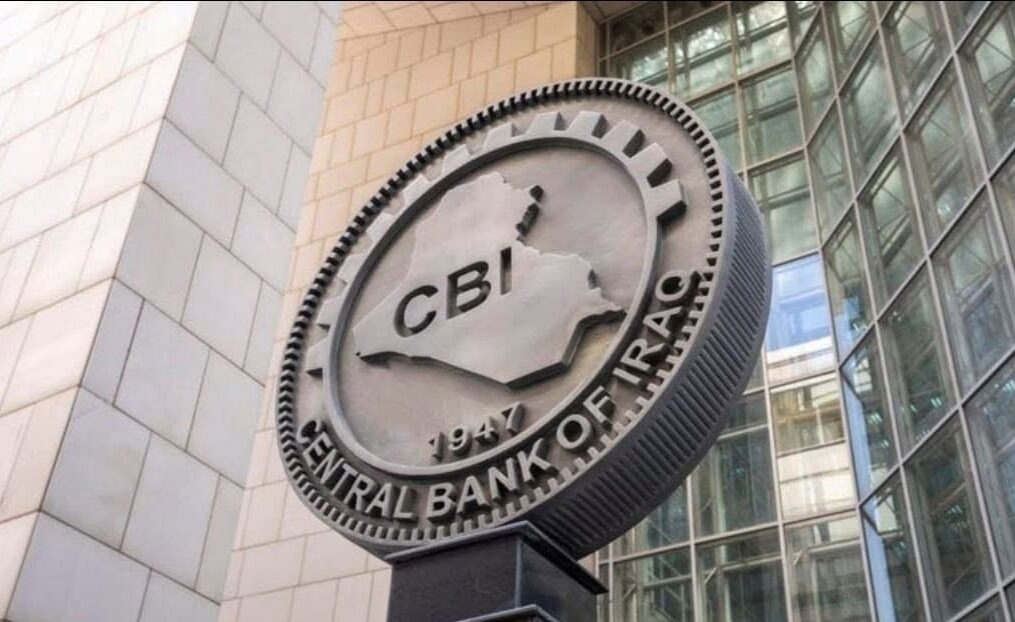
The Central Bank of Iraq’s (CBI) recent exchange rate adjustment was an "exceptional hedging process" required to secure state budget funding and avert severe financial collapse, CBI Media Director Haider Ghazi stated, attributing the widening parallel market gap to illicit trading outside official regulations.
Key Statements and Focus Area
- Media Director Haider Ghazi stressed that Iraq is currently navigating "a difficult circumstance” as a result of the closure of the Strait of Hormuz and the decline in oil exports, which caused a drop in revenues.
- Ghazi noted that the exchange rate adjustment "represents an exceptional hedging process aimed at sustaining the financial aspect and securing budget financing needs."
Speaking to Al-Iraqiya news agency, the Central Bank's Media Director stated that the Iraqi government had previously relied on discounting bills with the Central Bank, warning that such accumulating debts ultimately forced a serious reassessment of the country's fiscal situation.
Ghazi stressed that the currency adjustment, notwithstanding its potential repercussions, was enacted to avoid “greater damage that could result from the continuation of the financial situation as it is."
Ghazi explained that local manufacturers have long struggled against cheap imports entering the country below domestic production costs. He noted that the currency adjustment will revitalize national industries, expand output, and reduce dependency on foreign goods.
Ghazi also highlighted that the current exchange rate premium stems from commercial operations operating entirely outside official frameworks and regulations.
He said that cash dollar purchases on the parallel market are primarily driven by the procurement of foreign goods that completely bypass official customs, tax procedures, and regulatory inspection processes.
The Director further underlined that the government is actively working to secure its borders, strengthen inspection mechanisms for imported goods, and streamline trade through legal and official channels.
FYI
Parliamentary Finance Committee member Dilan Ghafoor first revealed to Channel8 on October 4 that the upcoming federal budget draft aimed to revise the currency value, following a crucial meeting with the Iraqi Minister of Finance regarding the country's severe oil revenue slump.
Following an emergency joint recommendation from the finance minister and the central bank governor, the Iraqi Council of Ministers officially enacted Cabinet Resolution No. 544, devaluing the official exchange rate up to 1,520 Iraqi Dinars per U.S. dollar.
The parallel market instantly experienced severe price shocks since Tuesday's reports as the street value of the dollar rapidly climbed, causing many local exchange shops and major wholesale trading blocks to halt business entirely.
Angered by the sudden impact on public purchasing power, Iraqi lawmakers organized immediate protests and formally adjusted their legislative agenda to summon the Finance Minister and the CBI Governor to answer for the sudden economic fallout.
The Iraqi Parliament is officially scheduled to host both the Minister of Finance and the CBI Governor for an emergency general debate to review the fiscal repercussions and face growing demands to reverse the rate hike.
Dive Deeper: Handpicked Stories for You
Follow Channel8 for continuous updates:
Iraqi Parliament To Discuss Dollar-Dinar Exchange Rate Changes
Iraq Raises Official Dollar Rate to 150,000 Dinars Per $100
Iraq Central Bank Sets New Dollar Exchange Rates
The Islamic Dawa Party Calls for Urgent Action on Dinar Crisis
2 hours ago