US Imposes Sweeping Sanctions on International Criminal Court
At a Glance
- The Trump administration imposed sweeping sanctions on the International Criminal Court (ICC) on Friday, escalating a high-stakes diplomatic confrontation with European allies.
- The announcement came just hours after former ICC judge Navi Pillay was awarded the Nobel Peace Prize in a gesture of support for international judicial institutions.
- Secretary of State Marco Rubio justified the move by stating the US will never allow the ICC to prosecute Americans, citing probes into US and allied officials.
- While the Treasury Department included a six-month grace period and exemptions for specific transactions, the sanctions threaten global service providers, financial accounts, and software access for the court.
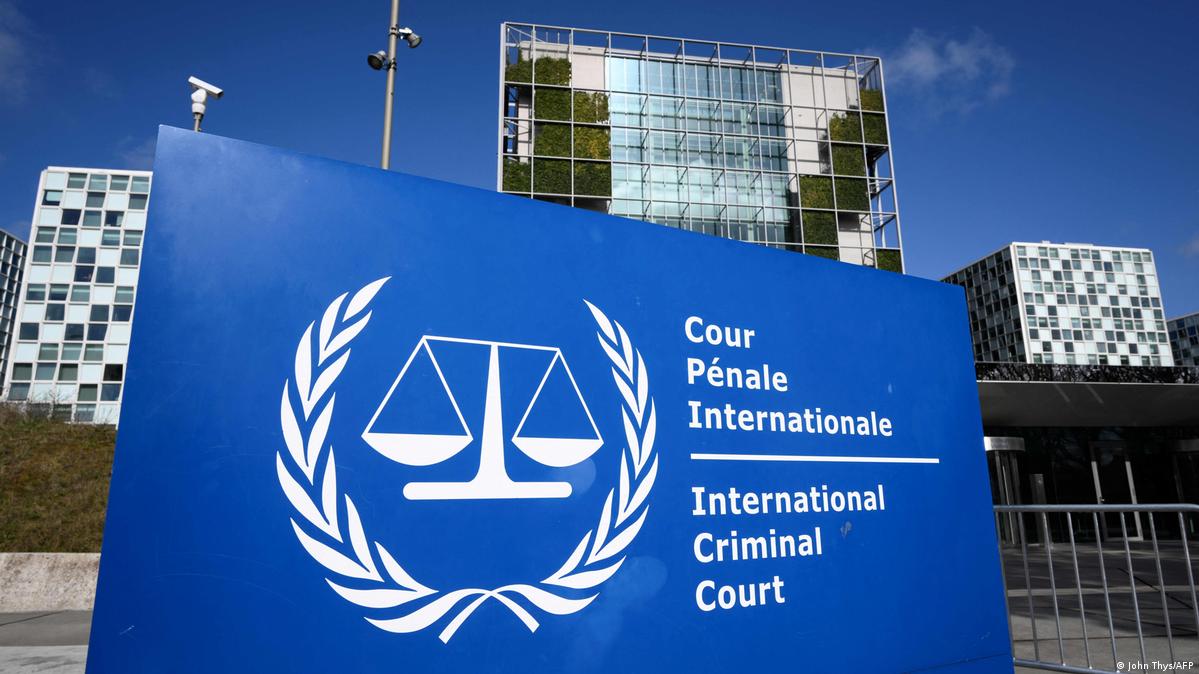
Washington has placed itself on a direct collision course with international legal bodies and European allies following an unprecedented escalation of sanctions against the International Criminal Court (ICC).
Sanctions Structure and Global Fallout
- Unprecedented Measures: Moving beyond previous targeted actions against individual judges and prosecutors, Friday's sanctions target the institution as a whole, potentially penalizing any global companies, banks, or software providers offering services to the court.
- Grace Period and Exemptions: The US Treasury incorporated a six-month initial grace period and targeted exemptions for telecommunications, software, pensions, and detainee-related transactions. Secretary of State Marco Rubio noted this window allows member states an opportunity to address Washington's core concerns.
- Motivations and Pushback: Washington cited longstanding grievances over ICC arrest warrants targeting Israeli officials, including Prime Minister Benjamin Netanyahu, and historical investigations into US military actions. In response, ICC officials and European leaders, including EU foreign policy chief Kaja Kallas, condemned the move as a severe blow to the rule of law, pledging to protect the tribunal's vital operations.
The sweeping punitive actions announced by the Trump administration represent a dramatic escalation in Washington's long-standing hostility toward the Hague-based tribunal. Founded in 2002 under the Rome Statute to prosecute genocide, crimes against humanity, and war crimes, the ICC has faced repeated American resistance, though the US never ratified the treaty.
While previous measures during Donald Trump's first term targeted individual judges and prosecutors before being rescinded under President Joe Biden, Friday's actions strike at the operational core of the institution itself. By threatening to penalize any companies, banks, or insurance providers working with the court, the administration aims to cut off financial resources and paralyze its daily investigations.
The timing of the announcement, coming mere hours after South African jurist Navi Pillay, who served on the ICC's Appeals Chamber from 2003 to 2008, was awarded the Nobel Peace Prize, underscores a sharp global polarization over international accountability. The Nobel Committee explicitly framed the award as a defense of global legal bodies facing severe political attacks.
In response to the US move, ICC Deputy Prosecutor Nazhat Shameem Khan vowed that investigations across all global situations would proceed undeterred. Meanwhile, European allies rallied behind the tribunal; EU foreign policy chief Kaja Kallas emphasized that the six-month grace period offers a vital window for dialogue, while Belgian officials pushed for an emergency EU blocking statute to safeguard the court's infrastructure. With court officials having spent months preparing operational contingencies, such as migrating away from Microsoft software to open-source alternatives, the standoff sets the stage for a profound legal and diplomatic battle over the future of the international rules-based order.
FYI
Founded in 2002 under the Rome Statute to prosecute war crimes, genocide, and crimes against humanity, the ICC is based in the Netherlands and commands the backing of 125 member states, including all European Union members and NATO allies except the United States and Turkey.
Dive Deeper: Handpicked Stories for You
Follow Channel8 for continuous updates:
ICC Condemns U.S. Sanctions, Reaffirms Commitment to Justice and Accountability
1 hour ago