Iran Calls US Response Insufficient, Keeps Hormuz Reopening Conditional
At a Glance
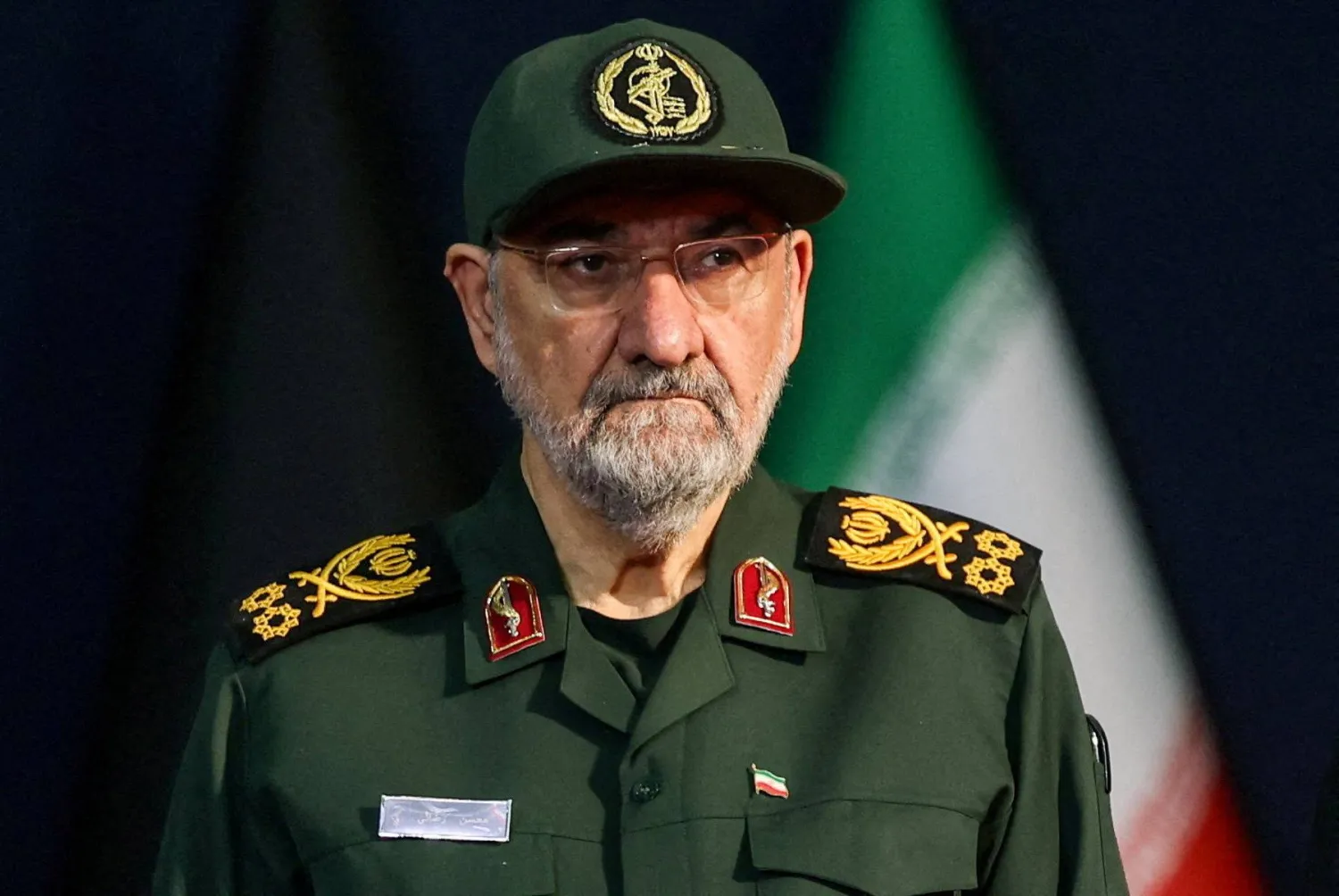
- Iran’s security chief Mohsen Rezaei said Washington’s response to Tehran’s proposal was insufficient.
- Iran says the Strait of Hormuz will remain closed to US access until its demands are met.
- Washington’s response was conveyed to Tehran through Qatari intermediaries.
- Iran’s proposal says normal maritime passage could resume within seven days if its conditions are fulfilled.
Iran’s security chief Mohsen Rezaei described the United States’ response to Tehran’s proposal to reopen the Strait of Hormuz as “insufficient” on Sunday, saying Washington must clarify outstanding issues before progress can be made. Iran has tied the restoration of normal maritime passage to the fulfilment of seven conditions presented during the United Nations General Assembly.
Key Statements
Rezaei, secretary of Iran’s Supreme National Security Council, said Washington had accepted some of Tehran’s conditions but left others unclear.
“We presented seven conditions to the Americans and clearly stated that the Strait of Hormuz would not be opened to them, and no negotiations would take place, until these conditions are met,” Rezaei was quoted as saying by Iranian state media.
He added that Tehran was “no longer in the process of responding to the Americans,” while calling on Washington to clarify the remaining points.
Focus Area: The Seven-Condition Proposal
Iran presented its proposal during the UN General Assembly, offering to restore normal passage through the Strait of Hormuz within seven days if its conditions were met. The plan was conveyed through intermediaries, including Qatar, which has continued to facilitate communications between Washington and Tehran.
The proposal draws on a June interim understanding between the two countries, which preceded the collapse of a ceasefire and the resumption of hostilities. The two sides have disagreed over the terms and sequencing of steps needed to restore maritime access and advance negotiations.
Iranian officials have maintained that the reopening of the strait is conditional, while the United States has not publicly clarified its response to Rezaei’s latest comments.
Why the Strait Matters
The Strait of Hormuz is a critical route for global energy trade, linking Gulf oil and gas producers with international markets. Before the war that began in late February with US and Israeli attacks on Iran, roughly one-fifth of global oil consumption passed through the waterway, alongside significant volumes of liquefied natural gas.
Disruption to shipping through the strait has increased concerns over energy supplies, transport costs and global market stability. A reopening could ease pressure on maritime trade, but the proposal has not yet produced a confirmed agreement.
FYI
The latest statements indicate that indirect diplomacy between Washington and Tehran remains stalled over the conditions and sequence required to restore maritime access. Qatar’s role as an intermediary provides a channel for communication, but it has not resolved the substantive disagreements. Until both sides clarify their positions and agree on implementation, the seven-day timeline remains a conditional proposal rather than a confirmed reopening schedule. The stakes extend beyond the two countries: prolonged disruption in Hormuz could continue to affect energy markets and shipping through one of the world’s most important maritime corridors.
Dive Deeper: Handpicked Stories for You
Follow Channel8 for continuous updates:
U.S. Forces Disable Commercial Ship Violating Iran Naval Blockade
CENTCOM Rejects Iranian Claim That Strait Of Hormuz Is Closed
2 hours ago