Rifts and Prime Minister's Visits Delay Iraqi Cabinet Completion Vote
At a Glance
- The parliamentary vote to finalize Iraq's cabinet and appoint deputy premiers faces further delays.
- Internal Coordination Framework rifts and the Prime Minister's upcoming diplomatic travel caused the postponement.
- Lawmakers have left the capital without an official session agenda or notice to convene.
- The government has not submitted a formal request to schedule the empty ministries vote.
- Proposals to create four deputy prime minister positions leverage an operational loophole in 2019 regulations.
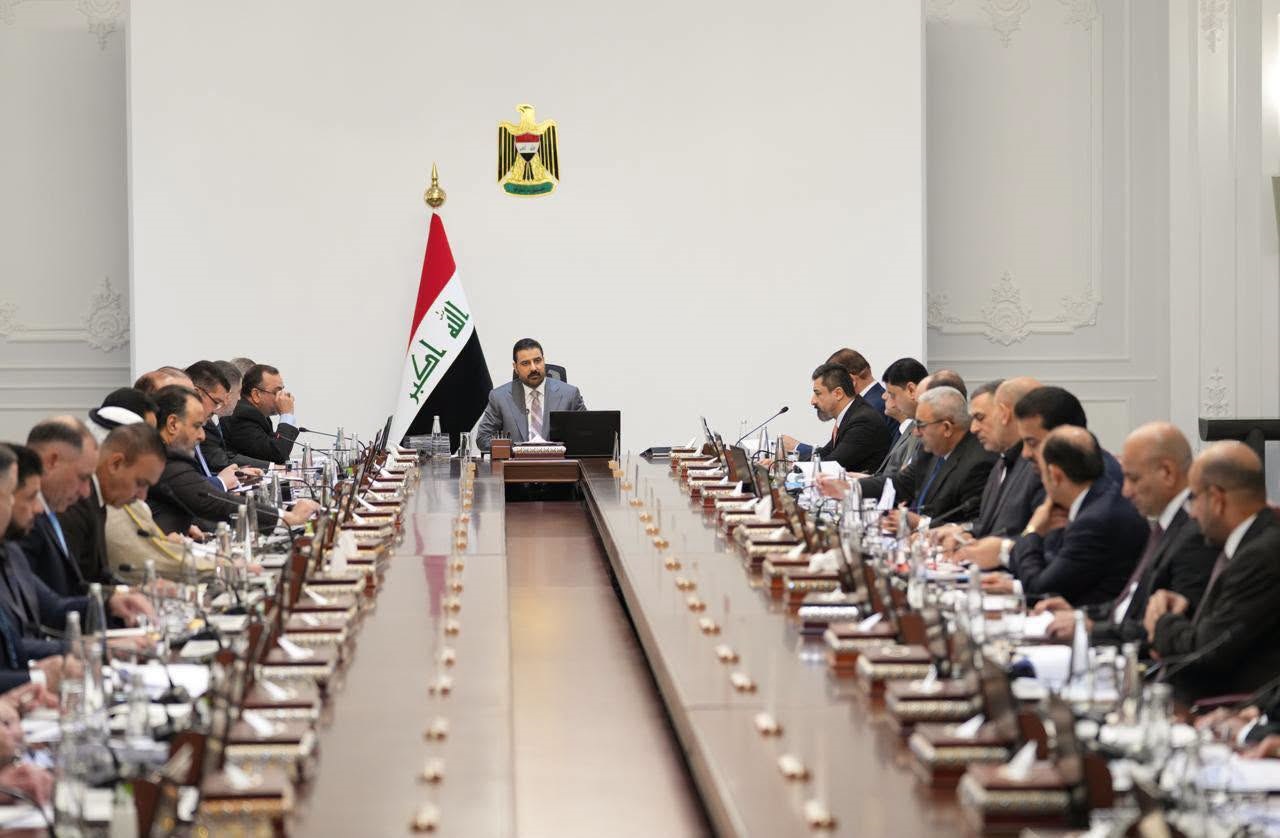
The scheduled parliamentary vote to finalize Iraq’s incomplete cabinet and appoint four deputy prime ministers has been further delayed due to ongoing internal rifts within the ruling Coordination Framework and Prime Minister Ali Faleh al-Zaidi's official diplomatic visits to Jordan and Saudi Arabia.
Key Statements and Focus Area
- MP Omar Penjwini told Channel8 that lawmakers have returned to their respective provinces and have received no prior agenda or notification to attend sessions at the Council of Representatives.
- A source close to the Coordination Framework confirmed to Channel8 that internal rifts persist within the bloc regarding the appointment of deputy prime ministers and the creation of several new ministries aimed at appeasing political factions. Additionally, a significant message from Najaf has been delivered to the Prime Minister.
Under parliamentary bylaws, session agendas must be distributed 24 hours in advance, yet no assembly schedule has been issued for the coming days.
Furthermore, the government has not submitted a formal request to the Presidency of the Council of Representatives to schedule a vote on the remaining vacant ministries.
According to a source close to the Coordination Framework who spoke to Channel8, widespread concern has emerged in Najaf and among the Iraqi public regarding the creation of new ministries.
It is widely felt that at a time when Iraq is enduring a severe economic crisis, adding deputy prime ministers and expanding the cabinet with extra portfolios will impose further financial burdens on the state treasury.
The proposal to appoint four deputy prime ministers remains a major point of contention delaying the cabinet completion, exposing an operational loophole between Iraq's constitutional mandates and governmental bylaws.
While Article 139 of the Constitution dictates that the Prime Minister shall maintain only two deputies during their initial term, the Council of Ministers' 2019 internal regulations failed to establish a maximum threshold.
Political observers note that factions are leveraging this omission to push for four slots, aiming to appease unrepresented parliamentary blocs or secure governmental stakes for armed groups transitioning into politics.
This structural expansion has sparked immediate pushback from watchdogs, drawing comparisons to August 2015 when former Prime Minister Haider al-Abadi unilaterally abolished all vice-presidential and deputy prime ministerial positions to curb state expenditures.
Though the Federal Supreme Court subsequently reversed the vice-presidential cuts in October 2016 to prevent institutional vacuums, consecutive administrations historically refrained from reviving the costly deputy premier roles until the current impasse.
Factional negotiations over the expanded executive lineup are anticipated to conclude this week, with a formal parliamentary vote projected to be scheduled for next week.
FYI
Amid persisting political rifts over the restructuring of the government, the Coordination Framework is scheduled to hold its weekly meeting this evening to finalize the cabinet architecture and review Prime Minister al-Zaidi's upcoming diplomatic visits to Jordan and Saudi Arabia.
According to the official Al-Sabah newspaper, cross-party dialogues remain ongoing, with lawmakers confirming that most portfolios are settled except for the Ministries of Culture, Defense, and Planning, which remain contested under the Sunni quota.
The current ministerial candidate lineup includes:
- Ministry of Defense (Sunni Quota): Under consideration by the Sunni Political Council are Nayif Shammari, Ali al-Araji, Juma Inad, and Talal al-Jubouri.
- Ministry of Planning: Nominated by the Azm Alliance is Mohammed Ali.
- Ministry of Interior: Submitted by Nouri al-Maliki’s State of Law Coalition is Yasser al-Maliki.
- Ministry of Higher Education: Submitted by the State of Law Coalition is Haider Baha.
- Ministry of Labor and Social Affairs (Sadiqoun bloc): Nominated is Mohammed al-Mousawi.
- Ministry of Youth and Sports (National State Forces Alliance): Nominated by Ammar al-Hakim is Safa al-Kinani.
- Ministry of Tourism (Muntasiroun Alliance): Nominated is Ali Dakhil, the former head of the Dhi Qar Investment Commission.
- Proposed Ministry of Artificial Intelligence (Imam Ali Brigades): Presented by Shibl al-Zaidi is Mohammed Darraji.
- Ministry of Housing and Reconstruction (KDP Quota): Under consideration are Rebaz Hamlan and Bnas Doski.
Furthermore, the creation of a new Ministry of State for Turkmen affairs remains under active discussion among the negotiating blocs.
Dive Deeper: Handpicked Stories for You
Follow Channel8 for continuous updates:
Iraq Refutes Rumors of Establishing 'Artificial Intelligence Ministry'
60 minutes ago