Kurdish Meteorologist Predicts Above-Average Rainfall Across Kurdistan Region
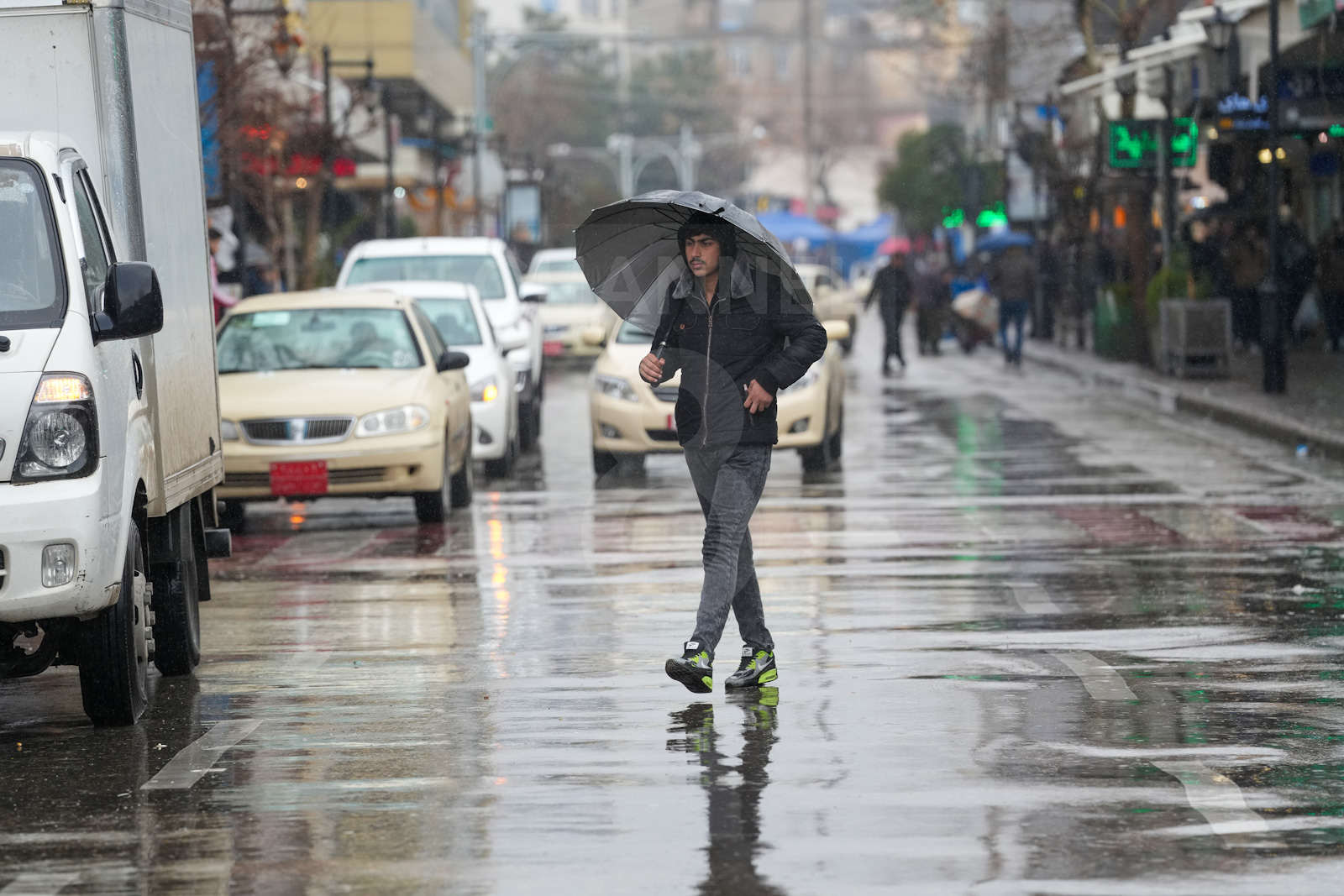
At a Glance
- Kurdish meteorologist Luqman Hawiz predicts that precipitation levels across the Kurdistan Region will exceed seasonal averages this year and into next spring.
- Based on advanced modeling from the U.S. National Oceanic and Atmospheric Administration (NOAA), autumn rainfall between October and December 2026 is projected to be 60% above normal.
- Winter and early spring precipitation from January through March 2027 is expected to exceed historical averages by 40%.
- The robust wet season is being driven by a strong incoming El Niño phenomenon developing in the Pacific Ocean.
Residents, farmers, and agricultural planners across the Kurdistan Region have received encouraging meteorological forecasts as expert models point toward a significantly wet and productive seasonal cycle ahead.
Detailed Meteorological Projections and Seasonal Outlook
- Data-Driven Methodology: Meteorological expert Luqman Hawiz, based in the United States, emphasizes that his forecasts rely strictly on empirical data and advanced global modeling from NOAA rather than speculative estimates.
- Quarterly Breakdown: According to the latest readings, rainfall totals for October, November, and December 2026 will run roughly 60% higher than normal across southern Kurdistan compared to 30-year historical baselines. This wetter-than-average trend is projected to continue into the first quarter of 2027, with January through March registering 40% above typical seasonal averages.
- Agricultural Impact: With roughly 25 days having elapsed since the official start of autumn—featuring sporadic showers and localized thunderstorms—forecasters anticipate that widespread soil saturation (pala) will settle between November 5 and mid-November, providing optimal conditions for local farmers to begin seasonal plowing and planting.
Residents, farmers, and agricultural planners across the Kurdistan Region have received encouraging meteorological forecasts as expert models point toward a significantly wet and productive seasonal cycle ahead.
Meteorological expert Luqman Hawiz, drawing on advanced data and global modeling from the U.S. National Oceanic and Atmospheric Administration (NOAA), projects that rainfall totals for the final quarter of 2026 will run roughly 60% higher than historical 30-year averages across southern Kurdistan.
This wetter-than-normal trend is expected to persist into early 2027, with January through March registering 40% above typical seasonal levels, largely driven by a strong incoming El Niño phenomenon in the Pacific Ocean. With sporadic autumn showers already underway, agricultural experts anticipate optimal soil saturation conditions to arrive between early and mid-November, providing a major boost to regional farming, water resource management, and seasonal crop cultivation.
FYI
Seasonal precipitation averages are calculated using meteorological baselines spanning the preceding 30 years, serving as a critical benchmark for agricultural planning, water resource management, and drought mitigation across the region.
Dive Deeper: Handpicked Stories for You
Follow Channel8 for continuous updates:
First Light Rain Signals Cooler Weather Across Kurdistan Region
First Autumn Rainfall Begins Across Kurdistan Region and Iraq
Understanding "Pala" Rain: The Crucial Autumn Precipitation for Farmers in the Kurdistan Region
1 hour ago