Zelensky Criticizes Trump’s Diesel Deal With Russia at EU Summit
At a Glance
- Ukrainian President Volodymyr Zelensky criticized US President Donald Trump’s diesel deal with Russia, saying it could generate revenue for Moscow’s war effort.
- Zelensky accused Russian President Vladimir Putin of showing no genuine interest in peace negotiations, describing Moscow’s approach as a “parody” of peace talks.
- European Union leaders reaffirmed support for Ukraine amid concerns over US intelligence-sharing and satellite communications disruptions.
- Zelensky urged European leaders to provide at least €70 billion in additional support for Ukraine’s defense and resilience next year.
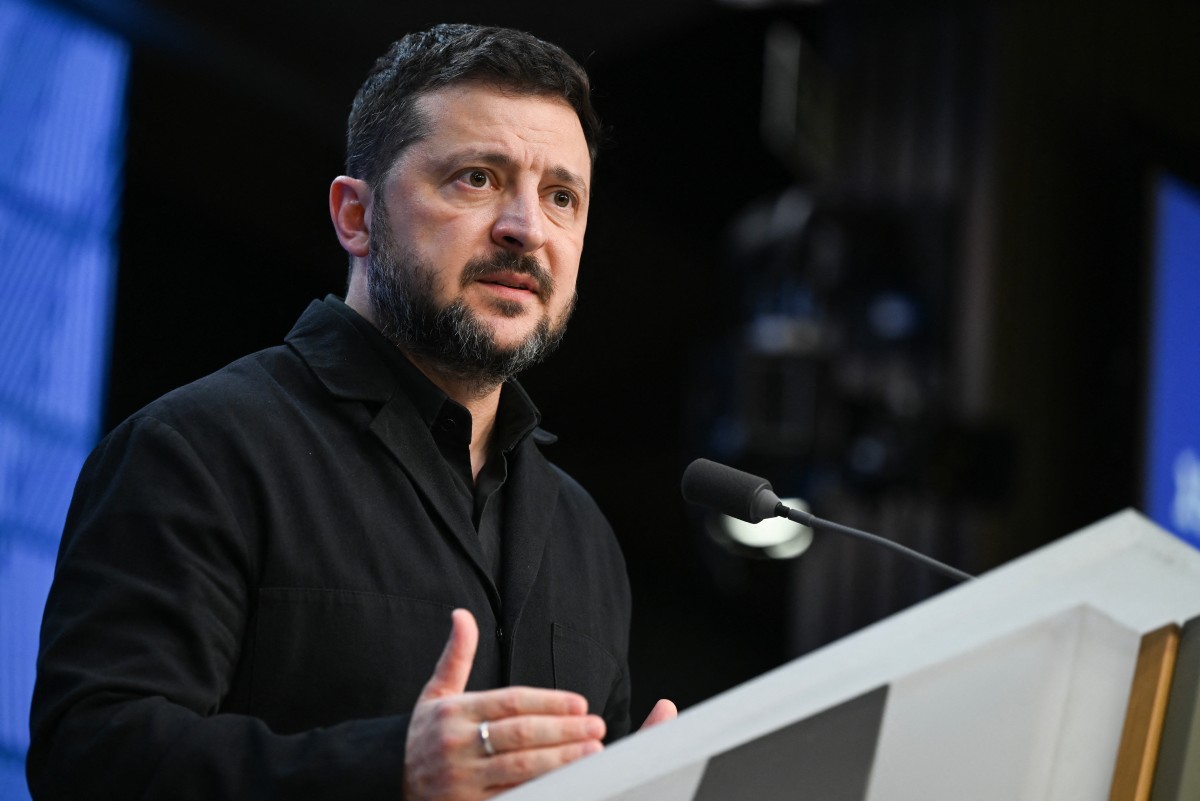
Ukrainian President Volodymyr Zelensky criticized US President Donald Trump’s diesel deal with Russia on Friday, warning that it could channel additional money to Moscow as European leaders discussed Ukraine’s security, financing and the future of peace negotiations.
Key Statements and Focus Areas
Zelensky Criticizes Diesel Deal
“This diesel deal will never be enough to offset the impact of the Strait of Hormuz on global markets. But it will put more money straight into Putin’s pocket to fund this war.”
— Volodymyr Zelensky, Ukrainian president
Zelenskyy argued that the deal would benefit Russia financially without offsetting the broader impact of disruptions to global energy markets linked to the Iran war.
Moscow’s Commitment to Peace Questioned
“Putin does not want peace talks at the moment, in any form.”
— Volodymyr Zelensky
Zelensky accused Moscow of using language that suggests a willingness to negotiate without demonstrating a genuine commitment to ending the war. He described Russia’s approach as a “parody” of peace negotiations.
European Support and Ukraine’s Funding Needs
In his address to EU leaders, Zelensky said Ukraine would need at least €70 billion in additional support next year for defense, weapons and resilience. He put the projected cost of the war at €155 billion.
Estonian Prime Minister Kristen Michal also warned that Ukraine could require a new European loan to cover its budget gap in 2027.
Starshield and Battlefield Communications
Zelensky said disruptions to the Starshield satellite system had improved but were not fully resolved. The system is used for Ukrainian military operations, including battlefield communications and counter-drone efforts.
EU foreign policy chief Kaja Kallas said Europe could not replace the capability in the short term.
EU Divisions Over Energy and Funding
While European leaders expressed support for Ukraine, they continued to face disagreements over energy prices, the purchase of Russian diesel and the EU’s own budget. Swedish Prime Minister Ulf Kristersson said member states remained far apart on reaching agreement over the bloc’s budget.
Ukrainian President Volodymyr Zelensky used a European Union summit in Brussels on Friday to criticize US President Donald Trump’s diesel deal with Russia and call for stronger European support as Ukraine continues to face Russian attacks.
Zelensky said the arrangement could allow money to flow back into Russia and help finance its war against Ukraine. His remarks followed Trump’s announcement that Ukraine and Russia had agreed not to target each other’s energy facilities. The terms and implementation of that announcement remain central to the dispute over the proposed energy ceasefire.
Trump has criticized Ukrainian strikes on Russian oil refineries, arguing that they contribute to higher global energy prices. Zelensky, however, said the diesel deal would not offset the effects of the Strait of Hormuz crisis on global markets and would instead provide financial benefits to Moscow.
The Ukrainian president also questioned Russia’s willingness to negotiate. He said Russian President Vladimir Putin was not interested in peace talks and characterized Moscow’s approach as a “parody” of a genuine effort to end the war. The Kremlin, meanwhile, has accused Ukraine of undermining the possibility of an immediate return to negotiations.
The summit comes as Ukraine faces continued attacks on its cities and infrastructure. Russian drone strikes in Kharkiv killed three people, according to the report, while attacks elsewhere left hundreds of thousands without electricity.
Zelensky urged European leaders to provide at least €70 billion in additional support next year, saying the funding was needed for defense, weapons and national resilience. Estonian Prime Minister Kristen Michal said the European Union would likely need to consider a new loan to help Ukraine meet its 2027 budget requirements.
Concerns over Ukraine’s access to US-supported satellite communications have added to uncertainty about the future of American assistance. Zelensky said Starshield operations had improved but were not fully restored. A US official denied that Trump had ordered a deliberate slowdown of the system, while Trump said intelligence-sharing with Ukraine continued.
European leaders have also faced disagreements over energy policy and the bloc’s long-term budget. The discussions reflect the challenge of maintaining support for Ukraine while managing economic pressures and differences among EU member states.
FYI
The Brussels summit highlights three linked challenges for Ukraine and its European partners: sustaining military and financial support, maintaining access to critical US-linked capabilities, and navigating disputes over energy policy as the war continues. Zelensky’s request for at least €70 billion in additional support places Ukraine’s 2027 financing needs at the center of the European debate.
The diesel dispute also reflects competing priorities. Trump has linked Ukrainian attacks on Russian refineries to rising energy prices, while Zelensky argues that arrangements benefiting Russian energy revenues could help finance Moscow’s war effort. These are competing political arguments; the wider market impact depends on the deal’s terms, its implementation and developments affecting global oil supplies, including the Strait of Hormuz.
Europe’s ability to sustain support will depend not only on political commitments but also on agreement over funding, weapons and energy policy. At the same time, the reported Starshield disruptions underscore Ukraine’s continued reliance on capabilities that European governments say they cannot fully replace in the short term.
Dive Deeper: Handpicked Stories for You
Follow Channel8 for continuous updates:
Germany Reaffirms Support for Zelensky, Calls for More Pressure on Russia
Zelensky Says Ukraine Will Intensify Strikes On Russian Oil Refineries
Zelensky Warns “Moscow Will Burn” After Ukrainian Drone Strikes on Russia
1 hour ago