Istanbul Floods Kill Four in Worst Disaster Since 1942
At a Glance
- Flooding in Istanbul has killed four people, with authorities describing it as the city’s worst flood disaster since 1942.
- Rainfall in the 48 hours before Thursday morning exceeded the combined historical average for September and October, according to Anadolu Agency.
- Authorities reported 9,850 flood-related damage reports, with 46,000 personnel deployed for cleanup and assistance.
- Turkey’s environment minister linked the disaster to climate change and raised concerns about urban development near waterways.
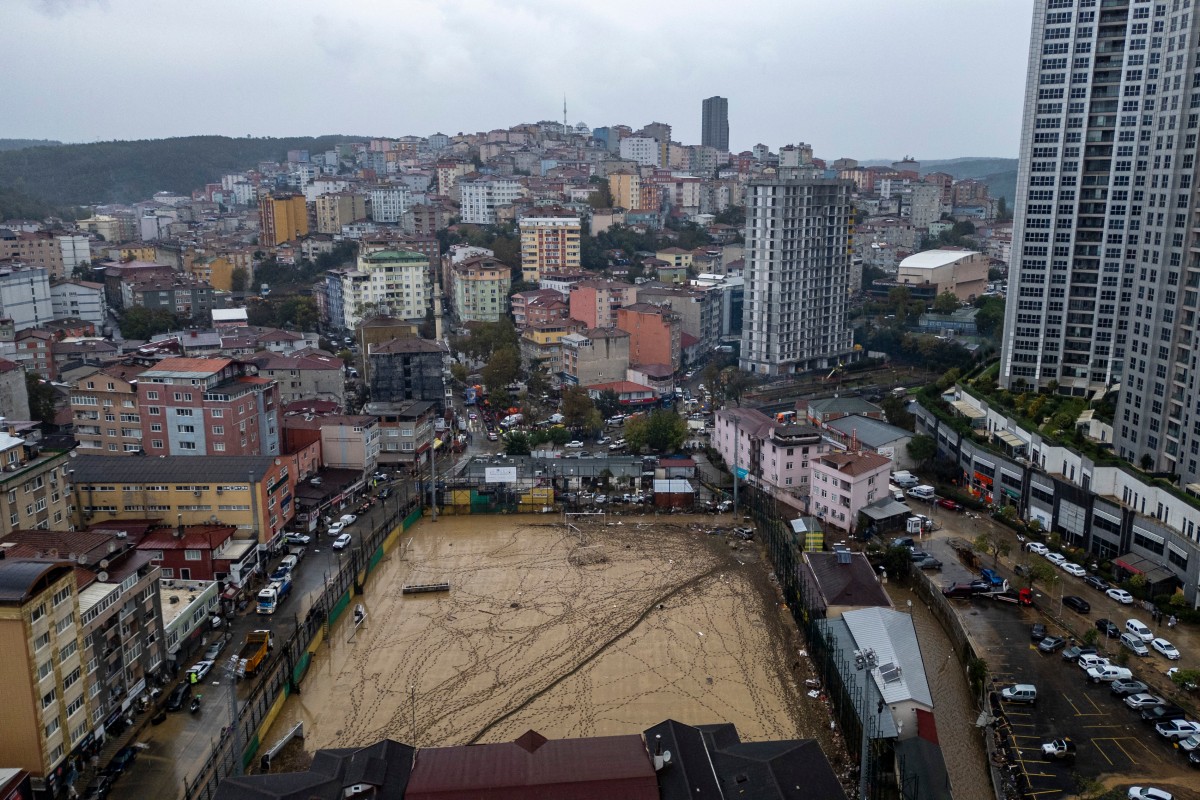
Severe flooding in Istanbul has killed four people and caused widespread damage, with Turkey’s interior minister describing it as the city’s worst flood disaster since 1942 after exceptionally heavy rainfall inundated neighborhoods, roads and businesses.
Key Statements and Focus Areas
Death Toll and Missing People
“We are trying our best to help our citizens, but we are also experiencing the biggest flood disaster since 1942.”
— Mustafa Ciftci, Turkey’s interior minister
Authorities confirmed four deaths after the body of a 66-year-old man was found beneath a bridge in Istanbul’s Sariyer district on Friday. The earlier reported fatalities included a teenager who was electrocuted during the storm.
Before the latest discovery, Ciftci said four people remained missing.
Exceptional Rainfall and Damage
According to state-run Anadolu Agency, rainfall during the 48 hours leading up to Thursday morning exceeded the combined historical average for September and October.
Floodwaters inundated homes, businesses, streets and parks, swept away vehicles and left some cars piled up at the bottom of hills.
Authorities reported 9,850 cases of damage and other flood-related problems.
Emergency Response
Ciftci said 46,000 personnel were working to clear debris and assist residents across Istanbul as recovery efforts continued.
Murat Kurum, Turkey’s environment, urbanization and climate change minister, accompanied Ciftci during a visit to one of the hardest-hit neighborhoods.
Urban Development and Climate Change
Kurum acknowledged concerns about development near waterways, saying the issue needed to be addressed.
“Combating climate change is not a choice, but a necessity.”
— Murat Kurum, Turkey’s environment minister
Kurum also linked the flooding to the effects of climate change. He is due to chair the UN climate change conference, COP31, scheduled to take place in Antalya next month.
Severe flooding in Istanbul has killed four people and caused extensive damage after torrential rain struck Turkey’s largest city, prompting the interior minister to describe the disaster as the worst of its kind there since 1942.
Mustafa Ciftci made the assessment Friday during a visit to Sariyer, one of the areas hardest hit by Wednesday night’s downpour. The death toll rose to four after the body of a 66-year-old man was found beneath a bridge in the district. Three other deaths had previously been reported, including a teenager who was electrocuted during the storm.
Istanbul, home to approximately 16 million people, received more rain in the 48 hours leading up to Thursday morning than the combined historical average for September and October, according to Anadolu Agency.
Floodwaters covered streets and parks, entered homes and businesses and swept away vehicles. Some cars were left piled up at the bottom of hills as water rushed through affected neighborhoods.
Authorities recorded 9,850 reports of damage and other flood-related problems. Ciftci said 46,000 personnel were involved in debris removal and efforts to support residents. Before Friday’s discovery, he had reported four people missing.
Murat Kurum, the minister responsible for environment, urbanization and climate change, joined Ciftci during the visit to the affected area. Responding to concerns that urban development close to waterways may have worsened the flooding, Kurum said addressing the issue was essential.
He also connected the disaster to the broader challenge of climate change, arguing that action was necessary rather than optional. Kurum is scheduled to chair COP31, the UN climate change conference set to take place in Antalya next month.
FYI
The flooding has brought renewed attention to Istanbul’s exposure to extreme rainfall, particularly in densely developed urban areas where drainage capacity, land use and construction near waterways can influence how quickly floodwaters accumulate. The reported rainfall totals provide important context for the scale of the event, but the relative contribution of climate change, infrastructure and urban development requires further assessment.
The disaster also places urban resilience and climate adaptation in focus ahead of COP31 in Antalya. Turkey’s response will involve immediate recovery and assistance, alongside longer-term questions about flood prevention, water management and development planning. Authorities’ reported deployment of 46,000 personnel indicates the scale of the emergency response, while the number of damage reports points to the breadth of the impact across the city.
Dive Deeper: Handpicked Stories for You
Follow Channel8 for continuous updates:
1 hour ago