Iraq and Kurdistan Region Intensify Joint Anti-Narcotics Operations
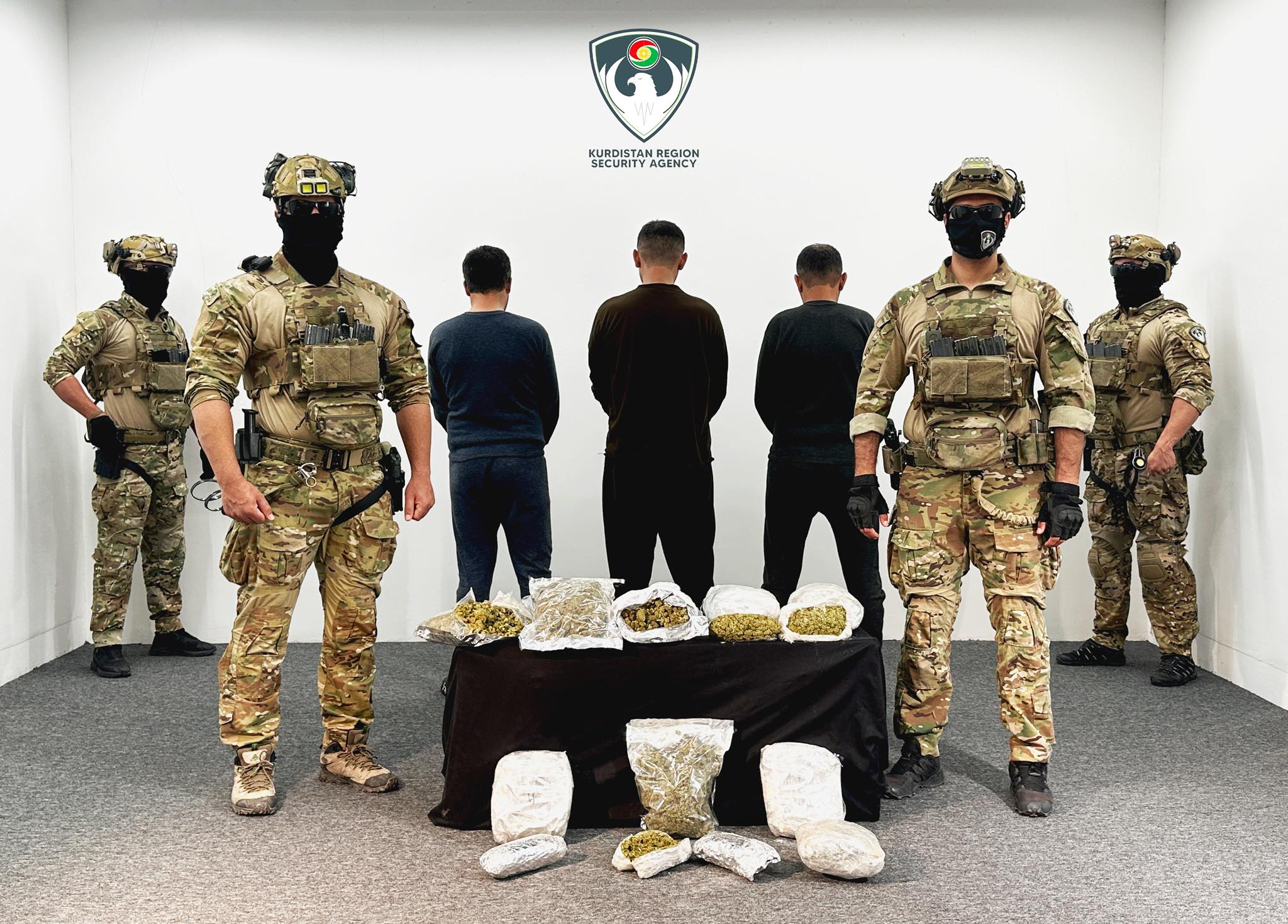
At a Glance
- Anti-narcotics efforts across Iraq and the Kurdistan Region have reached unprecedented levels, marked by surging arrest rates, massive drug seizures, and tighter legislative penalties.
- Federal authorities have blocked over 16 tons of narcotics over three years, with courts issuing nearly 400 death sentences and 1,500 life terms for drug traffickers since 2022.
- Security agencies in Erbil, Sulaymaniyah, and Baghdad maintain close operational coordination, conducting joint raids and cross-border tracking to dismantle drug syndicates.
- Official statistics from Erbil and Duhok reveal a significant jump in detentions, with thousands of suspects arrested and massive quantities of narcotics and pills seized between 2024 and mid-2026.
Efforts to curb the illegal drug trade have intensified significantly across Iraq and the Kurdistan Region, driven by enhanced inter-governmental coordination, stricter judicial measures, and expanded law enforcement operations.
Joint Security Coordination and Federal Legislative Reforms
- Cross-Regional Cooperation: Anti-narcotics directorates in Erbil, Duhok, Sulaymaniyah, and the federal Ministry of Interior are collaborating closely through joint operations, sharing intelligence to target drug networks operating within and beyond regional borders.
- Tougher Legal Frameworks: The Iraqi Parliament initiated the first reading of amendments to the Narcotics and Psychotropic Substances Law to close legislative gaps, increase death and life imprisonment penalties for international trafficking rings, and introduce measures for substance users.
- Treatment Protection: Under Article 38 of the anti-narcotics law, individuals who voluntarily seek treatment at newly established counseling units, such as the facility opened in Erbil this year, are treated as patients rather than criminals, avoiding detention provided they complete their rehabilitation.
Surge in Arrests and Seizures
Official figures from the Anti-Narcotics Directorate in Erbil and Duhok highlight an escalating crackdown:
- 2024: Authorities apprehended 1,568 suspects (737 traffickers and 831 users), seizing 511 kilograms of narcotics alongside 30,240 blister packs of pills.
- 2025: Total arrests rose to 1,708 suspects (1,034 traffickers and 674 users), with 922 kilograms of drugs and 12,194 pill packs confiscated.
- First Half of 2026: Between January 1 and June 26, 2026, security forces arrested 744 suspects (482 traffickers and 262 users), confiscating 218.953 kilograms of drugs and 1,897 pill packs. In Sulaymaniyah and Halabja alone, 203 user suspects were detained during the same six-month window, while general security operations in Sulaymaniyah seized dozens of kilograms of hashish, crystal meth, and marijuana alongside 25,000 pills.
Despite robust enforcement and ongoing monitoring of public venues like cafeterias and restaurants, investigators note challenges such as prison overcrowding, where roughly 2,000 out of 6,200 detainees face drug-related charges, and a lack of dedicated regional rehabilitation centers outside of outpatient counseling units.
FYI
The Iraqi federal judiciary has dramatically escalated penalties for drug trafficking since 2022, shifting from a handful of severe rulings to hundreds of death sentences and life imprisonments aimed at crippling transnational drug cartels.
Dive Deeper: Handpicked Stories for You
Follow Channel8 for continuous updates:
Directorate of Narcotics Control Destroys 577 Kilograms of Captagon in Erbil
2 hours ago