Greenland Project Records Residents' Memories of a Vanishing Landscape
At a Glance
A new project is documenting Greenlanders' personal stories of climate change.
Melting ice and thawing permafrost are reshaping life in Ilulissat.
An exhibit has opened at the town's Icefjord Center.
A research project called "Mapping Memories" is collecting ordinary Greenlanders' recollections of a fast-changing landscape, aiming to preserve a record of the past before it disappears.
Key Statements and Focus Area
Center Director on Why It Matters: "If we do not document the people's own stories, they will disappear when the people pass away." — Karl Sandgreen, Director, Icefjord Center.
Resident on Change: "When we were kids playing around these hills, there was much more snow, and the water was frozen, and it was ice." — Cuno Jensen, Ilulissat resident.
Focus Area: The "Mapping Memories" project and how climate change is eroding Greenland's landscape and traditions.
Led by Sweden-based research institute Nordregio, the project features nearly 60 personal stories tied to specific places in Greenland.
Some describe homes threatened by thawing permafrost, others vanishing hunting routes and traditions.
Thinning sea ice means some hunters can no longer use dog sleds, and fisherwoman Karen Alaufesen says halibut numbers at her fishing spot are declining.
Pensioner Kristian Petersen recalls Qullissat, a coal-mining settlement abandoned in 1972 and struck by a landslide-triggered tsunami six years ago.
In Ilulissat, thawing permafrost is causing buildings to sink and roads and pipes to crack, including the tilted staircase of the 19th-century history museum.
Hunting tools dating back 4,000 years are also emerging from the thaw.
A September report by the Geological Survey of Denmark and Greenland found the ice sheet has lost more ice than it gained for 30 years in a row, and researcher Signe Hillerup Larsen sees no scenario in which it regains its lost mass.
Organizers plan to add more interviews, including from communities in Canada, to an interactive map.
FYI
The Arctic is warming four times faster than the rest of the planet.
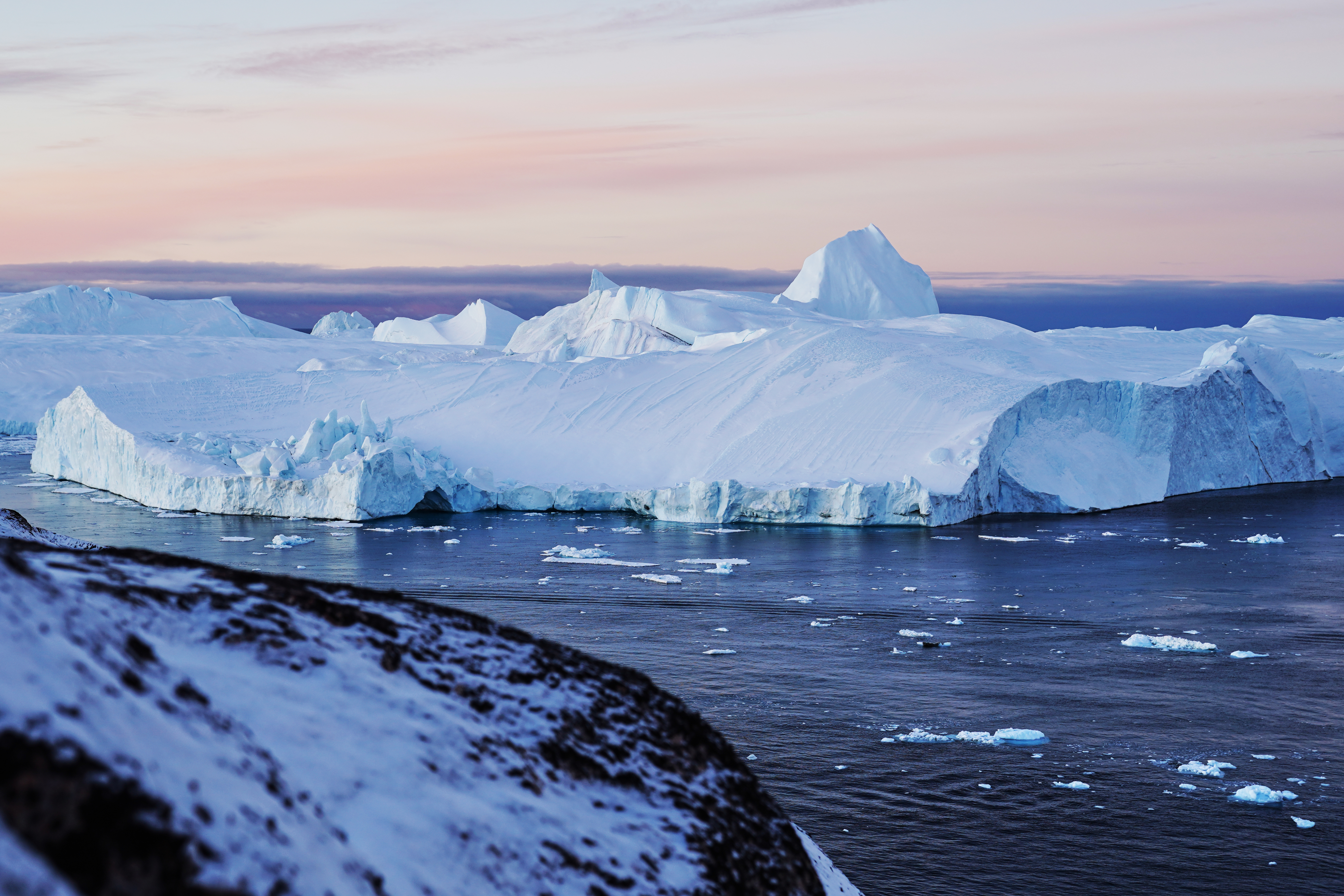
Ilulissat's nearby Sermeq Kujalleq glacier is one of the fastest-moving on Earth, sending more icebergs into the sea than any glacier outside Antarctica, according to UNESCO, and contributes significantly to global sea level rise.
Dive Deeper: Handpicked Stories for You
Follow Channel8 for continuous updates:
Swiss Glaciers Lose 5.5% Ice Volume This Year
UN Chief Warns of "New Age of Climate Extremes" as COP31 Opens in Turkey