Confessions Reveal Foiled Plot Targeting Bafel Talabani, PUK Figures, and Dabashan in Sulaymaniyah
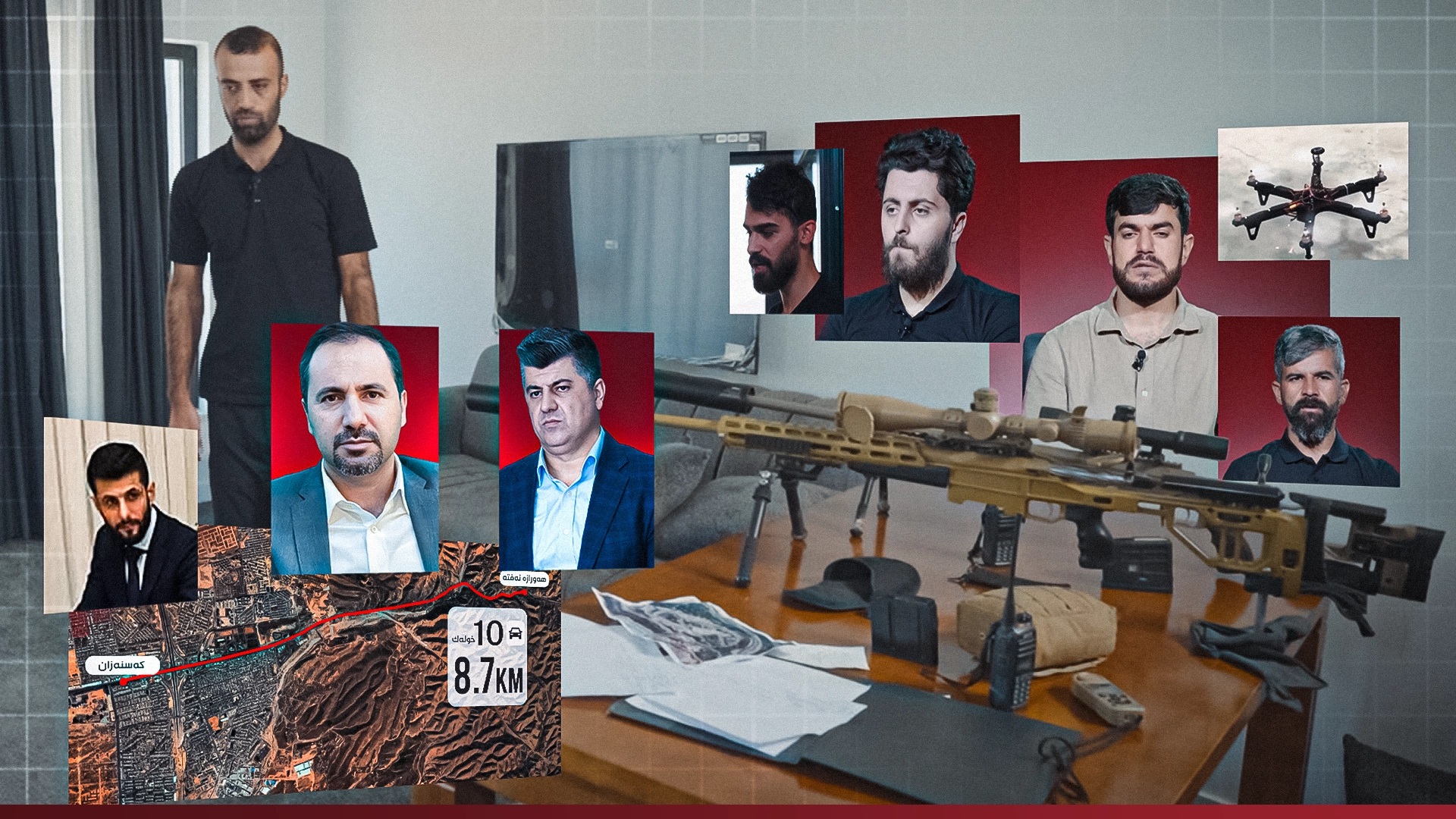
The Kurdistan Region Security Agency released confessions from individuals involved in a planned attack targeting PUK President Bafel Jalal Talabani, key PUK figures, and locations in Sulaymaniyah, including Dabashan. The confessions provide a detailed account of recruitment, training, planning, and the failed execution of the operation.
The statements cover events from before the Lalezar clashes up to the arrests of Lahur Sheikh Jangi and others on 22 August. The Asayish Investigation Court issued an arrest warrant under Article 406 of the Iraqi Penal Code, although he refused to surrender.
The confrontation with the Lalezar group lasted nearly three hours and resulted in the deaths of three security personnel. The incident also caused significant damage to civilian houses and vehicles, which was later compensated.
The incident prompted responses from Kurdistan Region officials, who emphasized the rule of law, the protection of the city’s security, and called on all parties to reduce tensions and maintain peace.
The Kurdistan Region Security Agency released the video showing the confession of the Lalezar group, available here.
The following outlines the defendants involved in the plot, their backgrounds, and their specific roles in the planning and execution of the operation.
Defendants and Backgrounds
- Renwar Zryan Fattah – Officer at the Kurdistan Region Security Council, working for Lahur Sheikh Jangi since 2014. He provided surveillance locations, installed security cameras, and handled sniper rifles and drones.
- Rebwar Qudrat Rasull – From Koya, sniper trainer and instructor. Assigned to target Bafel Jalal Talabani alongside another sniper. Participated in reconnaissance and drone operations.
- Omar Sheikh Abdullah – Born 01/01/1985, bodyguard of Lahur Sheikh Jangi since 2016. Participated in meetings and operational logistics.
- Botan Mustafa Hussein – Born 10/06/2002, joined the Kurdistan Region Security Council in 2019, later assigned to Azhi Ameen. Assisted in preparing apartments, moving weapons, and operational support.
- Hussein Rahim Ahmed (Abu Ali) – From Kalar, joined the Security Council in 2024, employed under Azhi Ameen’s forces in Hawraza Nafta. Participated in weapons and drone operations.
- Muslim Abdulrahman Mohammed Faqe – Born 01/09/2000, from Soran, employed under Azhi Ameen for two years. Received weapons and drone training in Hawraza Nafta, Turkey, Poland, and Ukraine. Coordinated drone strikes and monitored targets.
Planning and Reconnaissance
- The plot began approximately 45 days before the arrests. The first step involved selecting three surveillance locations:
- City Towers – Furnished and equipped with two advanced security cameras sent by Azhi Ameen.
- Hawari Jwan – Equipped with another camera installed by a specialist.
- German Village – Used for planning logistics.
- Security cameras transmitted live footage of Dabashan and Bafel Jalal Talabani’s residence to Lahur Sheikh Jangi and Azhi Ameen.
- Reconnaissance included measuring distances from apartments to Dabashan (600–700 meters) and mapping Mam Jalal and Bafel’s residence for sniper and drone operations.
Meetings and Coordination
- Defendants attended multiple meetings at Lalezar and other locations. Present were Lahur Sheikh Jangi, Azhi Ameen, Chalak (Azhi Ameen’s nephew), Hama Hidayat, Polad Sheikh Jangi, Rebwar Hami Haji Ghali, Renwar, and others.
- Decisions included:
- Using two snipers simultaneously to target Bafel Jalal Talabani.
- Deploying bomb-laden drones to strike Dabashan and other strategic points.
- Preparing GPS-mapped coordinates for targeted drone strikes.
- Assigning Polad Sheikh Jangi to lead forces to break into Dabashan.
- Planning a separate operation targeting KRG Deputy Prime Minister Qubad Talabani in Erbil.
Training and Drone Operations
- Weapons training lasted 20 days, including firearms of Chechen design.
- Drone training occurred abroad, from Erbil Airport to Turkey, Poland, and Ukraine. Participants received Ukrainian visas under special documents.
- Training included flying bomb-laden drones and long-range drones.
- A drone factory was established in Hawraza Nafta to produce FPV drones and larger Dragon drones capable of carrying 3–5 kilograms of explosives.
- Ukrainian specialists assisted with drone operations and provided technical guidance.
Operational Execution
- Two sniper rifles were delivered, hidden in rugs to City Towers.
- Bomb-laden drones were stored and deployed from City Towers and Hawari Jwan apartments.
- Reconnaissance included driving near Dabashan to identify military positions, selecting strike points, and mapping target locations.
- Weapons, drones, and logistics were transported from Erbil to Sulaymaniyah under Azhi Ameen’s supervision.
- Snipers, including Rebwar Hami Haji Ghali, were assigned to engage Bafel Talabani while drones launched GPS-guided strikes.
Failed Assassination Attempts
- Several sniper attempts were made, but Bafel Talabani was unharmed.
- Uncertainty regarding the convoy’s exact position led to the suspension of operations on multiple occasions.
- Drones were launched remotely but sometimes returned without striking.
- Surveillance personnel monitoring Talabani’s convoy were arrested during one operation, causing delays.
Events at Lalezar
- Weapons and drones were prepared on rooftops.
- Drone operations were controlled remotely via computers linked to Chalak Ali.
- Several Dragon drones with a 300 km range were launched from Erbil.
- During clashes, defendants took positions on rooftops, prepared weapons and drones, but eventually surrendered.
- Arrest warrants for Lahur Sheikh Jangi were issued, and the Kurdistan Region Security Agency intervened before any fatalities occurred.
According to the Kurdistan Region Security Agency, the Lalezar incident stemmed from information that Lahur Sheikh Jangi's militia group, the Scorpion Force, with the support of Azhi Ameen, who supplied drones and armed militias, plotted to carry out a coup involving assassinations and drone attacks. The agency stated that the Lalezar group sought to destabilize the region by targeting senior Kurdish officials, including PUK President Bafel Jalal Talabani, as well as several government and security figures.
The Kurdistan Region Security Agency released video confessions from members of the Lalezar group, in which they admitted to planning to carry out assassinations and drone attacks on government institutions across Sulaymaniyah and Halabja provinces, as well as the Garmian and Raparin independent administrations.
The Sulaymaniyah Appeal Court had instructed Lahur Sheikh Jangi to formally surrender through legal procedures and in a civilized manner, but he refused. Consequently, security forces acted under the court's order.
27/08/2025