India Evacuates Thousands Ahead of Severe Cyclone
At a Glance
Indian authorities have evacuated at least 89,000 people from coastal areas of Andhra Pradesh ahead of Cyclone Arnab.
The storm is expected to make landfall early Wednesday, bringing winds of up to 140 kph and heavy rainfall.
Authorities have issued alerts, canceled some train services, and deployed emergency teams across affected districts.
Neighboring Odisha is preparing to evacuate about 48,000 people from areas at risk.
Key Statements and Focus Area
Landfall Warning: “There is a possibility it will fully reach the coast between 2 a.m. and 4 a.m. local time.” — Prakhar Jain, Andhra Pradesh disaster management official.
Emergency Preparedness: “These critical hours require utmost vigilance.” — Prakhar Jain, Andhra Pradesh disaster management official.
Weather Warning: “Extremely heavy rains and strong gusty winds” are likely in parts of the coastal region on Tuesday and Wednesday. — Andhra Pradesh disaster management official.
Focus Area: Authorities are evacuating vulnerable communities and mobilizing emergency services ahead of the cyclone’s expected landfall.
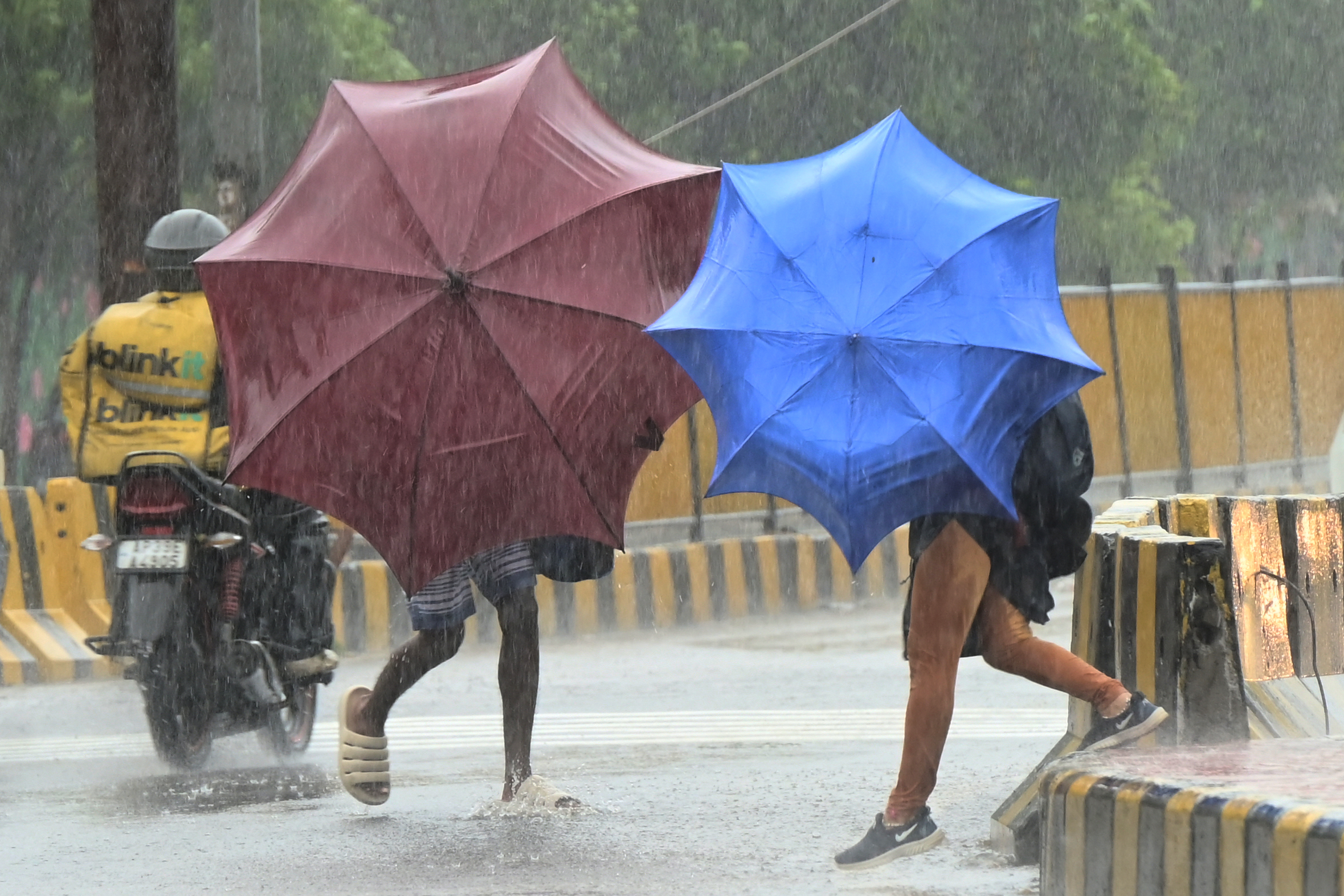
India’s eastern coast is preparing for the arrival of Cyclone Arnab, which intensified into a “very severe” cyclonic storm over the Bay of Bengal, according to the India Meteorological Department.
The storm’s outer bands began affecting parts of Andhra Pradesh late Tuesday as it moved toward the coast. Officials brought the state’s coastal districts under high alert after forecasts indicated that landfall could occur earlier than initially expected.
Winds could reach 140 kph (87 mph) when the cyclone makes landfall, while several districts are expected to experience heavy to very heavy rainfall. The storm is moving at about 20 kph (12 mph), according to Jain.
Authorities have established more than 2,000 cyclone shelters across 20 districts and sent emergency alerts to millions of mobile phones. More than 30,000 fishing boats have been secured along the coast, while nearly 1,100 medical teams have been deployed to provide emergency assistance.
The state disaster management authority said more than 12 million people live along the cyclone’s expected path. Officials have also canceled some train services as adverse weather conditions affect coastal areas.
In neighboring Odisha, authorities are preparing to evacuate around 48,000 people from locations expected to be affected by the storm.
FYI
Cyclones are powerful rotating storms that develop over warm tropical waters. They can bring destructive winds, intense rainfall, coastal flooding, and storm surges, with risks extending beyond the areas where the storm makes landfall.
India’s eastern coastline along the Bay of Bengal is vulnerable to tropical cyclones, particularly during periods when storms move inland from the sea. Evacuations, shelters, emergency alerts, and preparations to protect boats and medical services are among the measures authorities use to reduce the risk to residents.
Dive Deeper: Handpicked Stories for You
Follow Channel8 for continuous updates:
Istanbul Floods Kill Four in Worst Disaster Since 1942
Hurricane Isaias Leaves Two Dead as Flood Threat Spreads
Hurricane Simon Threatens Mexico as Storms Leave Deadly Flooding