India Sets 900-Gigawatt Clean Power Goal, Approves $20 Billion for Grid Upgrades
At a Glance
India has set a goal of installing enough clean power for more than 1 billion homes by 2035.
It has approved nearly $20 billion to upgrade its power grid.
Coal still generates most of the country's electricity.
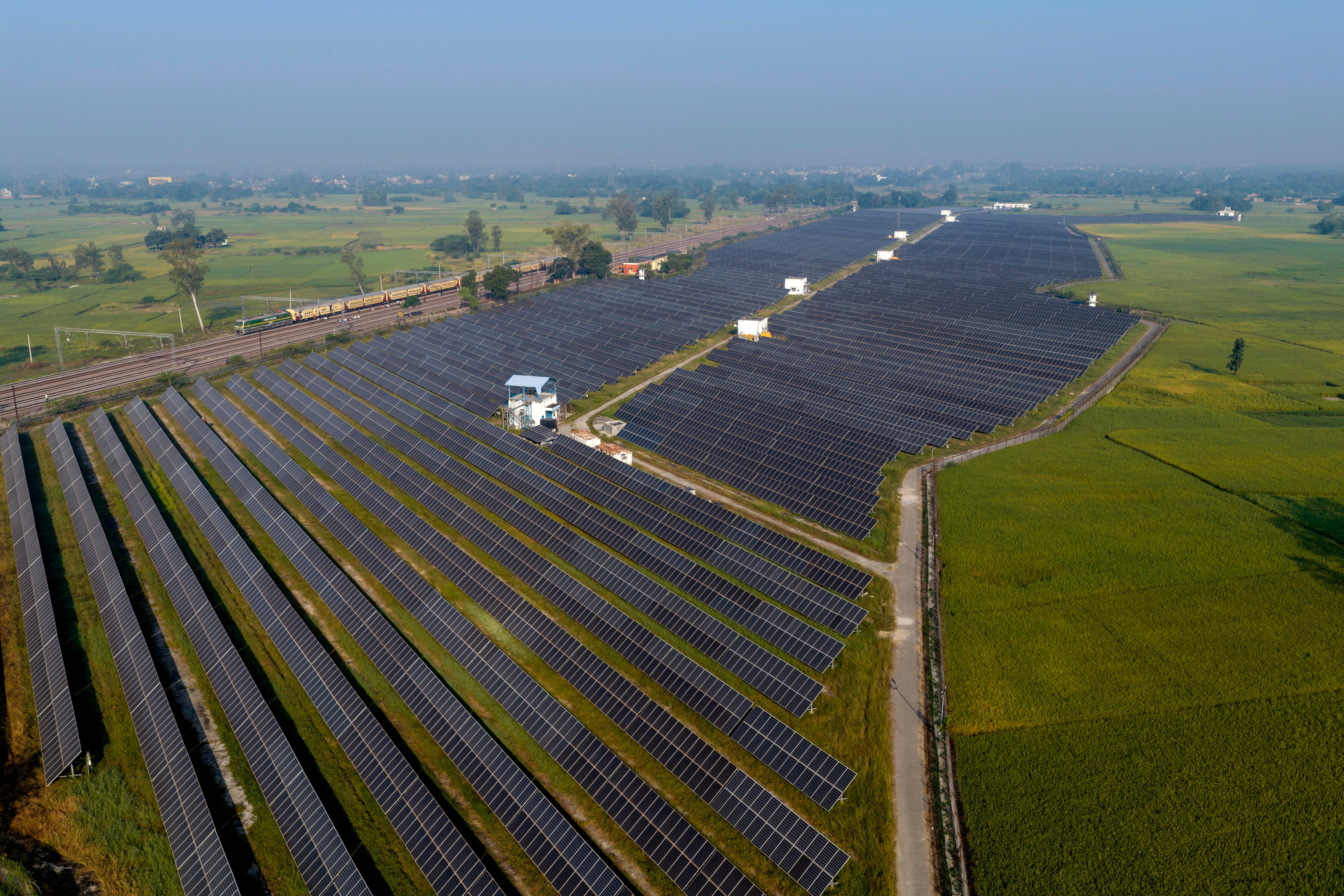
India has announced an ambitious target of 900 gigawatts of clean power capacity by 2035 and approved nearly $20 billion for grid upgrades, as UN climate talks in Turkey focus on speeding the shift away from fossil fuels.
Key Statements and Focus Area
Berkeley Researcher on the Grid: "If the grid doesn't catch up, then there is no way India can meet this target." — Nikit Abhyankar, India Energy and Climate Center, University of California, Berkeley.
Economist on the Opportunity: "So now in India you have two assets, not only do you have cheap labor, you also have cheap energy." — Ajay Shah, economist, XKDR Forum.
Focus Area: India's clean energy target and the grid, storage, and coal challenges that could slow it.
The 900-gigawatt goal, announced in late September, covers solar, wind, hydropower, and nuclear and is nearly double the existing 500-gigawatt target for 2030.
India's current clean capacity of just over 300 gigawatts ranks third behind China and the United States.
The goal refers to installed capacity, not electricity actually produced.
The roughly $20 billion approved under the Green Energy Corridor plan funds transmission lines and battery storage to help states absorb up to 135 gigawatts of renewable energy by 2033.
The grid is already under strain. Clean power made up 55% of installed capacity by September but generated only about a third of electricity in the preceding three months, and over 16 months India curtailed enough solar power for about 10 million homes.
Berkeley researchers estimate the country needs as much as 250 gigawatts of storage over the next decade.
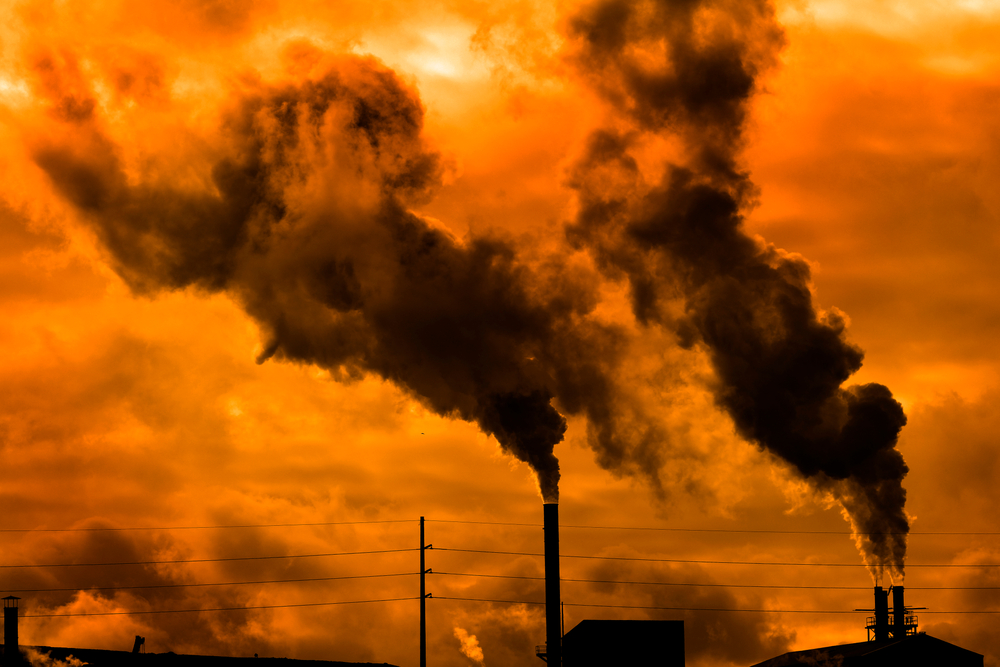
Coal generated about 71% of electricity in 2025, and the Central Electricity Authority's chair said India could need up to 150 gigawatts of additional coal capacity by 2035, though Berkeley estimates that beyond about 35 gigawatts already under construction, new plants would be unnecessary and could become stranded assets.
Other hurdles include dependence on imported battery cells, mainly from China, and policies Shah says create a "choke point" by interfering in transactions between private generators and buyers.
He argues prices should move with supply and demand and foreign investment should be easier.
Abhyankar says India has already overtaken the US in annual renewable growth and could be a model for other developing countries.
FYI
Brazil ranks close behind India in clean energy capacity, and projects renewables will supply nearly 90% of its electricity within a decade, while US electricity demand is expected to grow 40%, with natural gas remaining a major source.
Analysts say solar and wind, even with battery storage, are increasingly cost-competitive with coal, oil, and gas.
Dive Deeper: Handpicked Stories for You
Follow Channel8 for continuous updates:
Diwali Fireworks Deepen Delhi's Smog Crisis Despite Restrictions
New Delhi Enforces Strict Anti-Pollution Measures, Work-From-Home Rules Amid Toxic Smog