Iraq Prepares Performance-Based Federal Budget for 2027
At a Glance
- 2027 Iraq budget expected by early October
- Government plans project-based allocations
- Oil price benchmark remains undecided
- Inflation rises to 4.3%
Iraq is preparing a new approach to its 2027 federal budget, with the government seeking to link public spending more closely to measurable projects and national priorities.
Key Statements and Focus Area
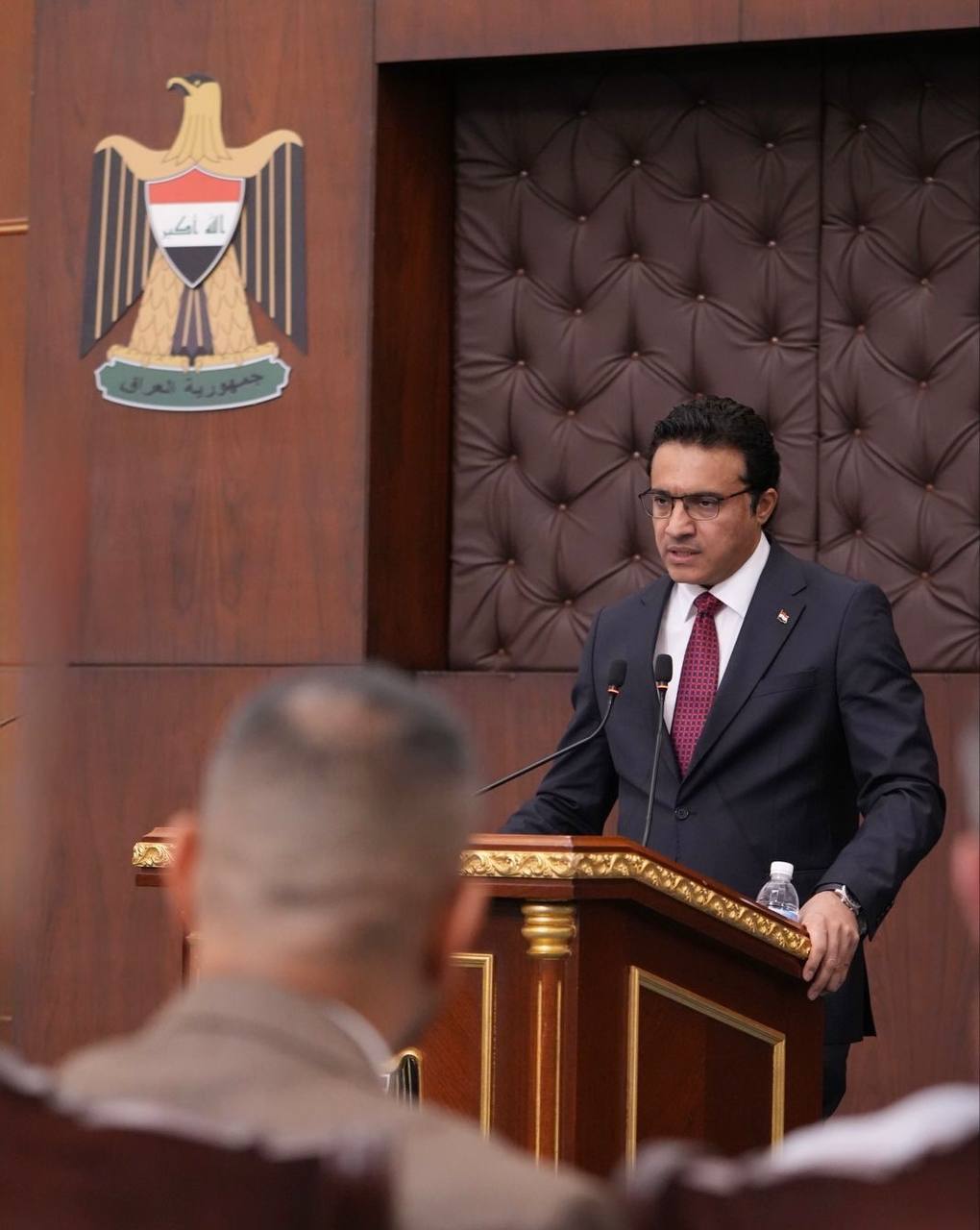
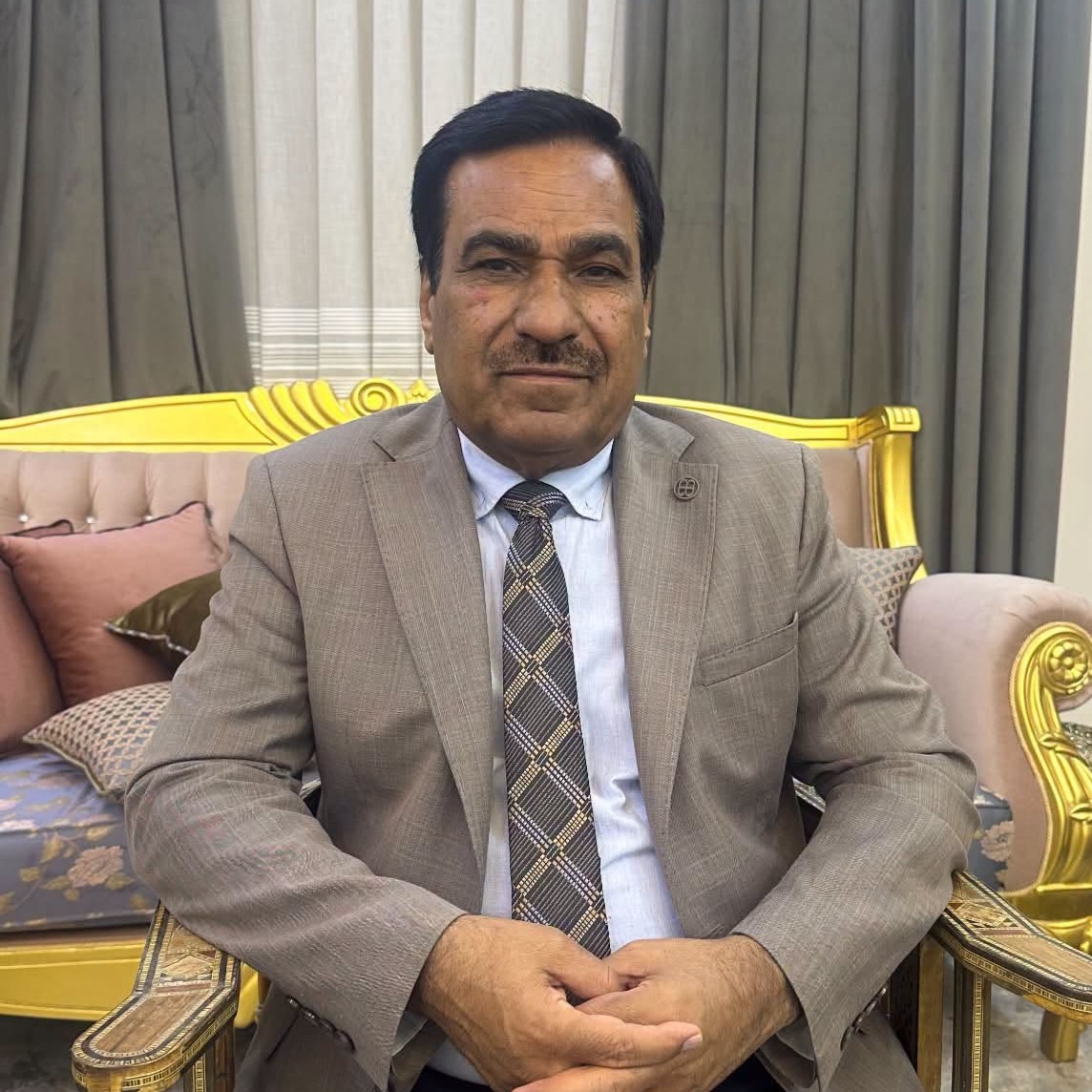
- Ahmad Haji Rashid, Iraqi MP: The Ministry of Finance is still working to finalize the main economic targets and the oil-price benchmark for the 2027 budget.
- Oil benchmark: The draft is expected to use a lower oil price assumption of around $60–$65 per barrel.
- Inflation and currency: Inflation has increased from 3.1% to 4.3%.
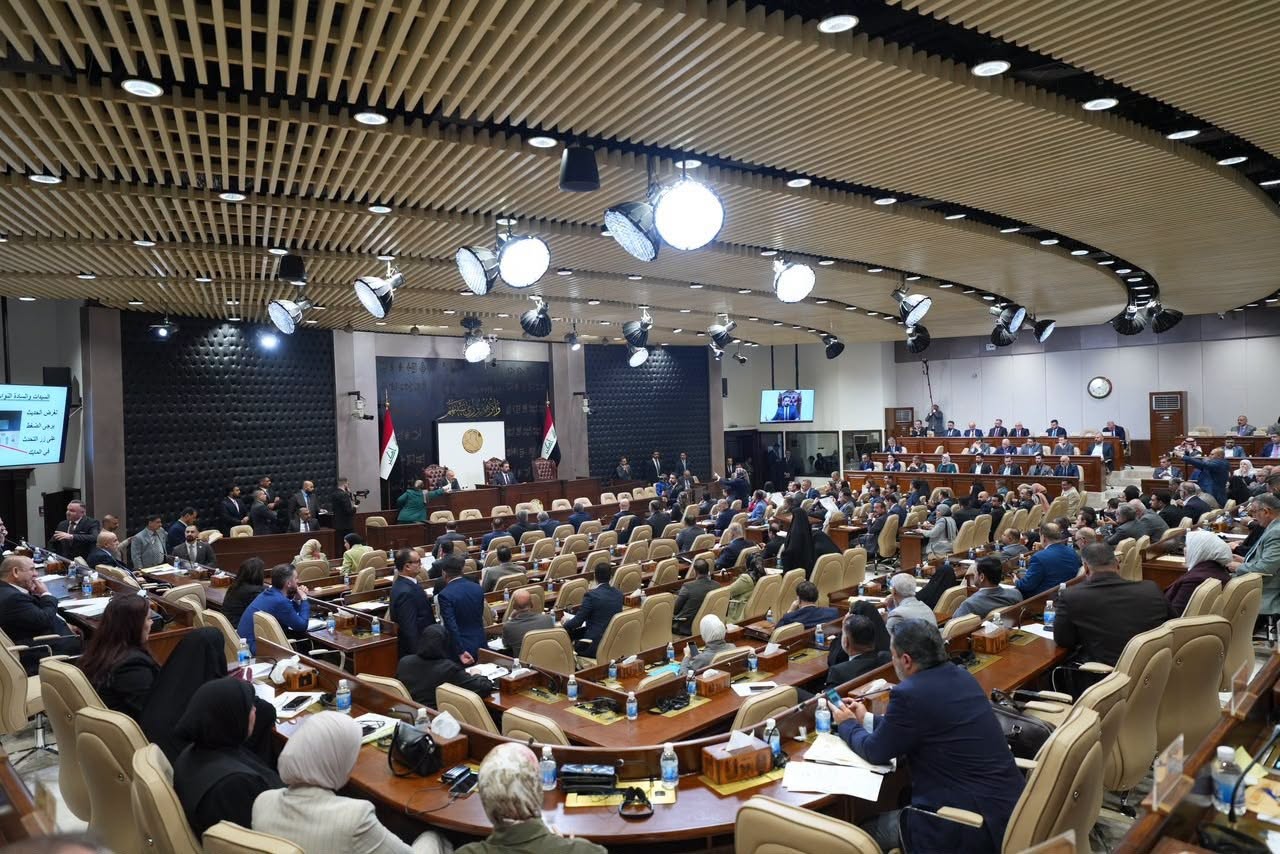
The Iraqi government is preparing to submit the 2027 federal budget to the Council of Representatives, with the bill expected to arrive by late September or early October.
The proposed budget would introduce a different spending model, moving away from conventional line-item allocations toward a system based on performance and projects.
Under the planned framework, ministries would receive funding for projects that can be implemented within one year. The government is seeking parliamentary support for maintaining the main structure of the plan to limit unnecessary expenditure.
The draft budget does not yet contain a formally approved oil price benchmark.
Current expectations indicate that the government could base its calculations on crude prices between $60 and $65 per barrel, below the $70 per barrel figure used in the previous three-year budget cycle.
The final benchmark remains subject to decisions by the Ministry of Finance as broader economic assumptions are completed.
There are currently no official measures underway to change the value of the Iraqi dinar against the U.S. dollar.
Economic authorities have also not announced plans to return to the previously cited rate of 145,000 dinars per $100.
Iraq’s headline inflation rate has risen from 3.1% to 4.3%, adding pressure on economic authorities to maintain tighter oversight of government spending.
The rise has also increased attention on the budget’s potential impact on prices and household purchasing power.
Iraqi MP Ahmad Haji Rashid said the Ministry of Finance has yet to complete the strategic macroeconomic targets and oil-price assumptions for the draft.
He said consultations between the prime minister and the governor of the Central Bank of Iraq indicate that there is still sufficient time to complete preparations.
The finance authorities are also reviewing the operational plans of individual ministries to direct public funds toward what they consider the country’s main priorities.
FYI
Iraq’s fiscal planning remains highly dependent on oil prices and export revenues, making the crude-price assumption one of the most important variables in the annual budget. The proposed shift toward performance-based spending comes as authorities seek greater control over public expenditure while inflation has moved higher.
Dive Deeper: Handpicked Stories for You
Follow Channel8 for continuous updates:
Iraq Customs Revenues Hit Record 2.5 Trillion Dinars
Iraq Oil Exports Reach Two Million Barrels Daily, Says Oil Minister