Iraq Projects Historic 3.5 Trillion Dinar Customs Revenue Surge

At a Glance
- Iraq earned 2.5 trillion IQD ($1.9B) in customs in early 2026, matching prior full-year totals.
- Monthly revenue hit 560 billion IQD, up 150% year-over-year.
- Annual revenues are set to top 3.5 trillion IQD | a historic high for the Iraqi state.
- Gains stem from expanding the UN-backed ASYCUDA digital system to curb corruption and fraud.
In a major milestone for Iraq’s financial diversification efforts, Director General of the General Customs Authority Samer Qasim al-Taie announced that national customs revenues reached a record 2.5 trillion dinars in the first seven months of 2026.
The authority projects total revenue will surpass 3.5 trillion dinars by year-end, marking the highest total recorded since the establishment of the modern Iraqi state.
Key Statements and Focus Area
- Historic Financial Benchmark: Highlighting the unprecedented magnitude of the financial returns, Samer Qasim al-Taie confirmed that reaching the projected 3.5 trillion dinar target "will be the highest revenue recorded since the history of the establishment of the Iraqi state."
- Impact of Digital Automation: Attributing the surge to widespread technological modernization and structural oversight, official statements underscored: "The adoption of electronic systems has helped curb corruption, tax evasion, and customs fraud, while simultaneously enhancing the Authority's ability to control revenue tracking and boost collection levels."
- Accelerated Performance in July: Demonstrating the rapid trajectory of growth, monthly collection peaked sharply in July, with officials noting that monthly returns reached 560 billion dinars, representing "a 150% increase compared to the same month in 2025."
Unprecedented Fiscal Collection at National Border Outlets
The Iraqi General Customs Authority reported that non-oil revenues collected across federal land, sea, and air border entry points reached 2.5 trillion dinars during the first seven months of 2026. Monthly collection saw a dramatic acceleration in July alone, bringing in 560 billion dinars. Authority officials expect this strong upward trajectory to continue through the remainder of the year, pushing full-year revenues past the historic 3.5 trillion dinar threshold.
Digital Integration Eliminates Fraud and Tax Evasion
Authority officials attribute this rapid collection growth directly to the ongoing rollout of electronic systems, including automated customs centers and digital networks. The transition away from manual, paper-based entry operations has effectively closed long-standing loopholes exploited for under-invoicing, tariff manipulation, and fraud. Real-time tracking and automated duty calculations have improved monitoring efficiency while providing federal authorities with full oversight of incoming goods.
Expanding Non-Oil State Revenues
This surge in customs collection comes as Iraq’s federal government intensifies measures to boost non-oil revenues and reduce long-term reliance on crude oil exports. By strengthening governance across federal border crossings and enforcing tariff compliance, the government aims to create a reliable revenue stream to help cushion the state budget against global oil price fluctuations.
FYI
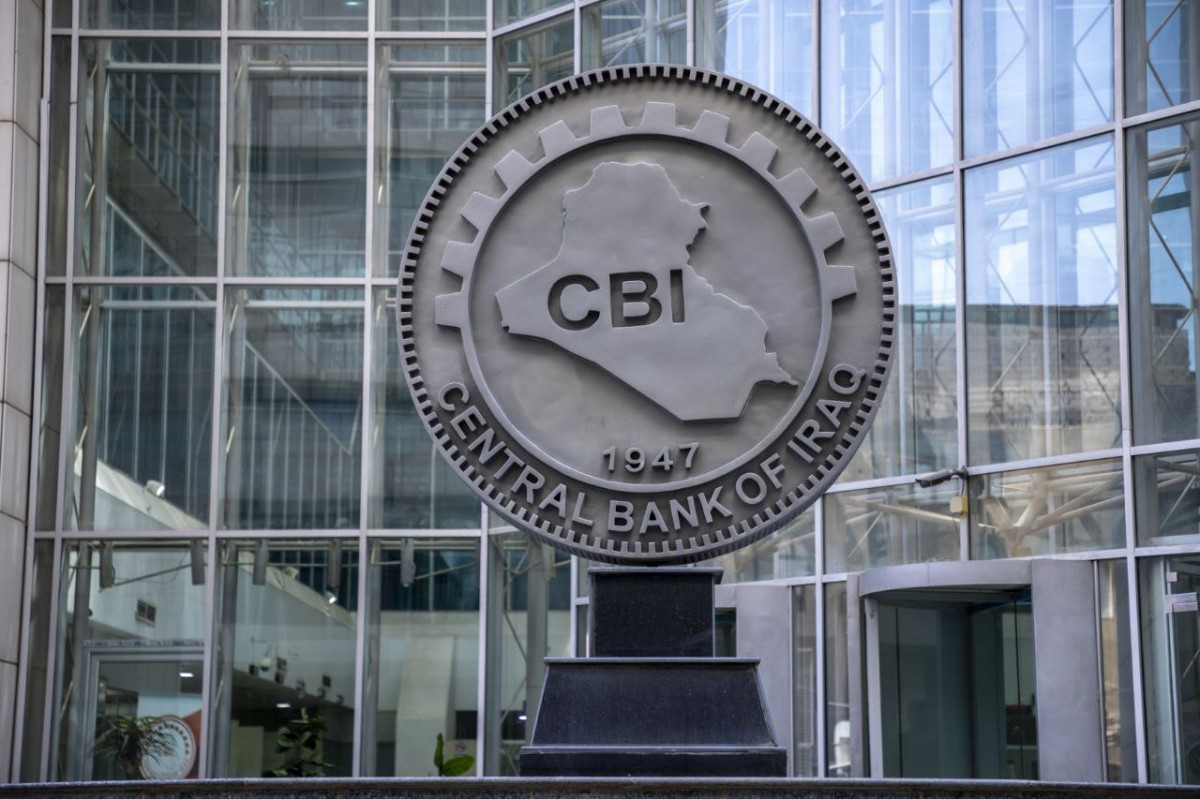
This record-breaking customs collection reflects the broader impact of Iraq's comprehensive digital border modernization strategy centered on the UNCTAD-developed Automated System for Customs Data (ASYCUDA). For decades, Iraq's non-oil trade channels suffered from systemic revenue leaks, informal border activities, and fraud, leaving federal coffers heavily overreliant on volatile crude exports. The nationwide expansion of ASYCUDA, combining pre-clearance validation through the Central Bank of Iraq with digital manifests and sonar verification networks, has fundamentally restructured the country's border governance. As federal authorities continue to harmonize tariff enforcement across all 19 international land border crossings, maritime ports, and airports, these digital reforms are proving essential to establishing long-term fiscal discipline and fiscal transparency.
Dive Deeper: Handpicked Stories for You
Follow Channel8 for continuous updates:
Iraq Customs Revenues Hit Record 2.5 Trillion Dinars
Dollar Gap Persists Despite Official Rate as Iraq Awaits Customs Reforms and Washington Talks
Iraq to Implement New Customs System to Regulate Imports and Curb Currency Smuggling



.webp)