Silver Price Crash Freezes Trade Across Kurdistan Region
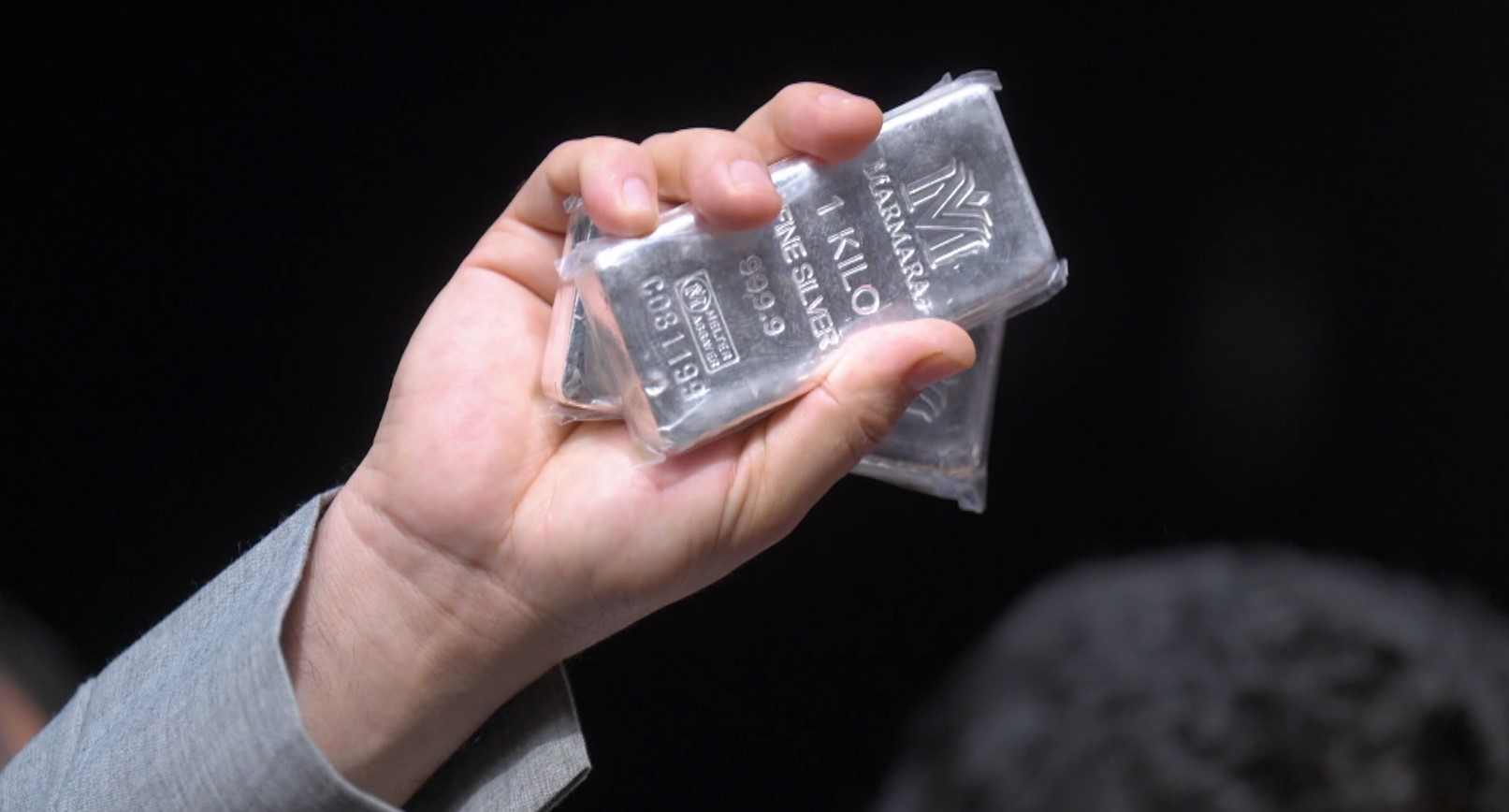
At a Glance
- Silver falls sharply in local markets
- Imports have stopped for a month
- Local prices now trail global rates
- Traders report heavy financial losses
A sharp decline in silver prices has brought much of the precious-metal trade in the Kurdistan Region to a standstill, disrupting imports and leaving traders and investors facing significant losses.
Key Statements and Focus Area
- Amanj Haji Qadir: Silver imports that previously reached “10 tons” per week have stopped.
- Local price gap: Silver is currently trading about “$40 cheaper” per kilogram than the global market rate.
- Customs: The Erbil International Airport clearance fee remains at “$11.4 per kilogram.”
Information obtained by Channel8 indicates that silver prices in the Kurdistan Region have fallen sharply following a period of strong growth.
The price of one kilogram of silver has dropped from around $5,700 at its peak to approximately $2,050, severely affecting local trading activity.
The decline has reversed previous market conditions, with silver now selling locally at prices below those on international commodity exchanges.
Silver imports from the United Arab Emirates to the Kurdistan Region have been suspended for about a month.
Before the disruption, trading networks were bringing more than 10 tons of silver into the region each week. The metal was subsequently re-exported to Baghdad and markets in Asia.
Amanj Haji Qadir, a local trader, said the import channels had remained active until last month but have now stopped completely.
The customs clearance charge at Erbil International Airport remains fixed at $11.4 per kilogram despite the halt in shipments.
Traders attribute the disruption in import activity partly to heightened geopolitical tensions between Iran and the United States.
The regional uncertainty has affected the movement of silver through established trading routes and contributed to the freeze in import logistics.
Silver entering the region originates in Hong Kong, where it is supplied in 30-kilogram ingots. It is then transported to the UAE, where it is melted into one-kilogram bars before being exported to the Kurdistan Region.
From there, some of the silver is re-exported to Baghdad, Iran, India and Afghanistan for industrial manufacturing.
The sharp price decline has caused significant losses for people who purchased silver when prices were near their peak.
According to trader Amanj Haji Qadir, some local investors have suffered severe financial losses, with some reportedly selling homes and vehicles to cover their losses.
Young investors in the major markets of Slemani, Erbil, and Duhok remain active in silver trading and are watching regional developments for signs of stabilization.
Traders say there is no structural or purity difference between the silver varieties known as “Marmara” and “Palm.” They say the difference is limited to their names.
Marmara silver is currently trading about $10 cheaper than other varieties.
According to local traders, silver prices are expected to remain low until September.
Any potential recovery, they say, will depend heavily on whether tensions in the region ease and the conflict involving Iran and the United States comes to an end.
FYI
Silver prices reached a record level of about $5,700 per kilogram in November last year before falling sharply. A $600 monthly decline in February triggered protests among commodity traders in the region.
The price surge had also attracted a growing number of young investors to silver speculation. The subsequent collapse has left traders facing a market with disrupted imports, weaker local demand, and prices below international rates.
Dive Deeper: Handpicked Stories for You
Follow Channel8 for continuous updates:
Iraq Struggles to Contain Volatile Dinar Currency Disparity
17/08/2026