Ghalibaf: Foreign Intervention Must Be Avoided in Tehran-Baghdad Ties
At a Glance
- Iranian parliament Speaker Ghalibaf stated that external interference in Tehran-Baghdad ties should be countered.
- Ghalibaf emphasized that Iranian and Iraqi forces shed blood together in the war against ISIS
- He stated the visit aims to maintain continuity of cooperation in various fields.
Iranian Parliament Speaker Mohammad Bagher Ghalibaf stated during his official visit to Iraq that external interference in relations between Tehran and Baghdad should be prevented, highlighting the joint efforts in the war against ISIS.
Key Statement and Focus Area
- Mohammad Bagher Ghalibaf stated that the blood of Iranians and Iraqis mixed in the war against ISIS.
- Ghalibaf pointed out that Iran has reached an advanced level militarily.
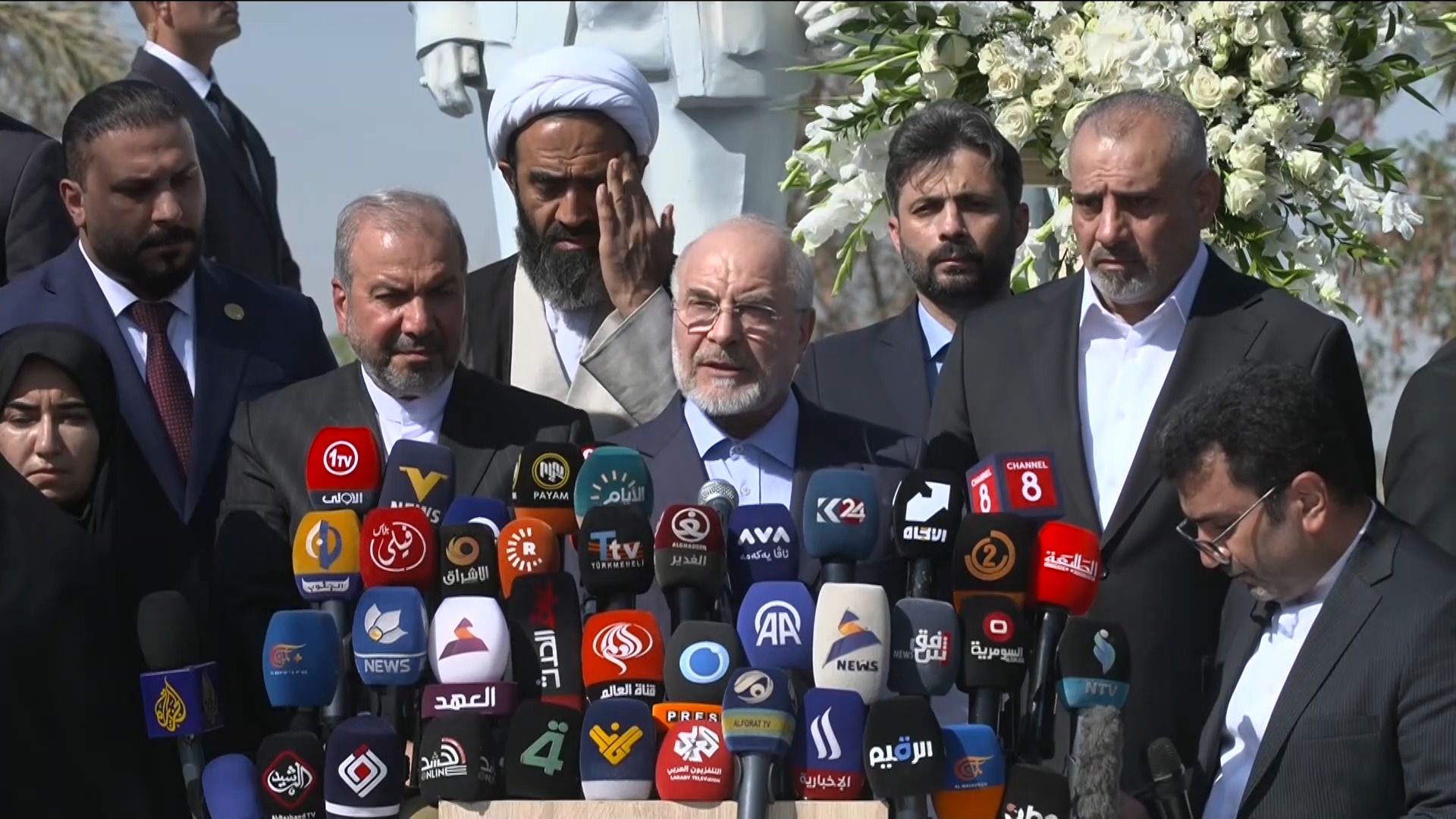
After arriving in Iraq, Ghalibaf visited the memorial statues of Iran's Quds Force commander Qasem Soleimani and Abu Mahdi al-Muhandis, deputy head of Iraq's Popular Mobilization Forces, and held a press conference.
Ghalibaf said Soleimani and al-Muhandis were the liberators of the region from the dangers of ISIS.
He emphasized that ISIS was “a creation” of the United States and was only defeated through the cooperation of Tehran and Baghdad.
Regarding his visit, Ghalibaf highlighted that the main goal of his coming to Iraq is for the continuity of cooperation between both countries in various fields.
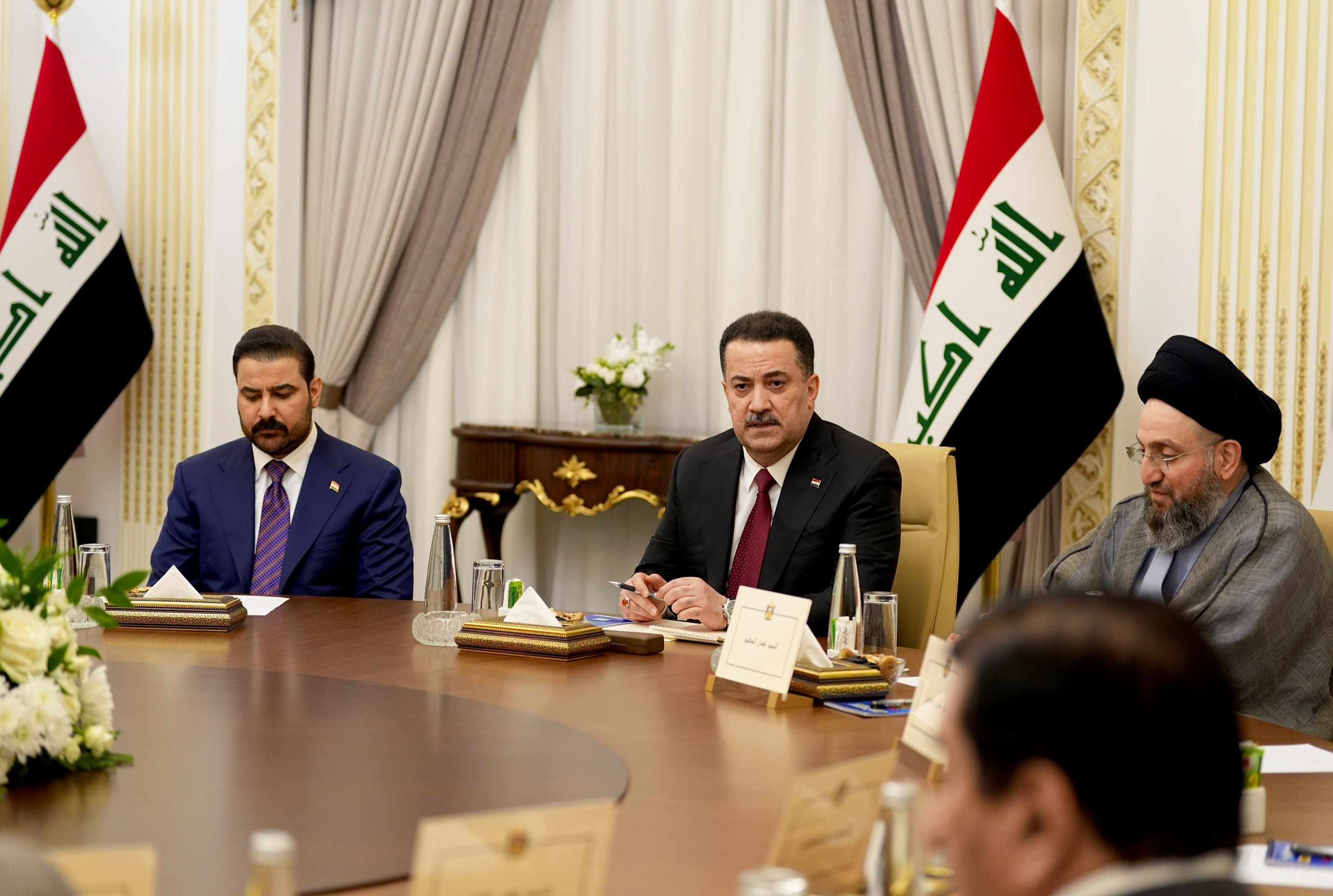
Ghalibaf scheduled to meet with the Iraqi President, the Prime Minister, and other prominent political leaders.
FYI
The official visit of Iranian Parliament Speaker Mohammad Bagher Ghalibaf to Baghdad occurs during a prolonged regional military conflict that began in late February 2026.
Security dynamics deteriorated significantly following the expiration of the 60-day Islamabad Memorandum of Understanding (MOU), an interim de-escalation framework brokered between Washington and Tehran.
The non-renewal of this agreement led to the reinstatement of a U.S. naval blockade and the total closure of the Strait of Hormuz to commercial shipping traffic.
Concurrently, the Iranian Parliament is moving forward with legislative efforts to establish permanent sovereign control over the strategic waterway.
This shipping halt directly impacts Iraq, which relies on the Strait of Hormuz for over 90% of its crude oil exports. The economic consequences of the closure have prompted Baghdad to engage in high-level emergency negotiations with Iranian state representatives to establish alternative transit and maritime protocols.
The diplomatic talks coincide with an ongoing internal security dispute inside Iraq regarding the disarmament of non-state armed groups.
Prime Minister Ali al-Zaidi issued a state directive ordering all domestic factions to hand over their heavy weapons and integrate into the official state command structure by a strict September 30 deadline. This timeline aligns with the scheduled conclusion of the U.S.-led global coalition's military mission in Iraq.
While several political blocs support the consolidation of security under exclusive state authority, six major factions within the Popular Mobilization Forces (PMF) have refused to comply with the disarmament order. This has created a severe political and security deadlock between the Iraqi central government and the militias.
Dive Deeper: Handpicked Stories for You
Follow Channel8 for continuous updates:
Iran’s Ghalibaf Arrived in Baghdad on Official Visit
Iraqi FM, Iranian Counterpart Discuss KRG Drone Attack
Iran Says 60-Day MoU Framework Lost Relevance After U.S. Breaches
Trump Says U.S. Has 'Total Control' Over Strait of Hormuz in New Statement
Iraq, Iran Central Bank Chiefs Discuss Financial Cooperation